The Arctic, a realm of ethereal beauty and unforgiving conditions, harbors a creature of stark contrast: the snowy owl (Bubo scandiacus). More than just a symbol of winter, this avian predator plays a pivotal role in the delicate tapestry of the northern ecosystem. What unseen forces shape the life and hunting strategies of these magnificent birds? Prepare to have your perceptions challenged.
I. The Spectral Hunter: An Introduction to Bubo scandiacus
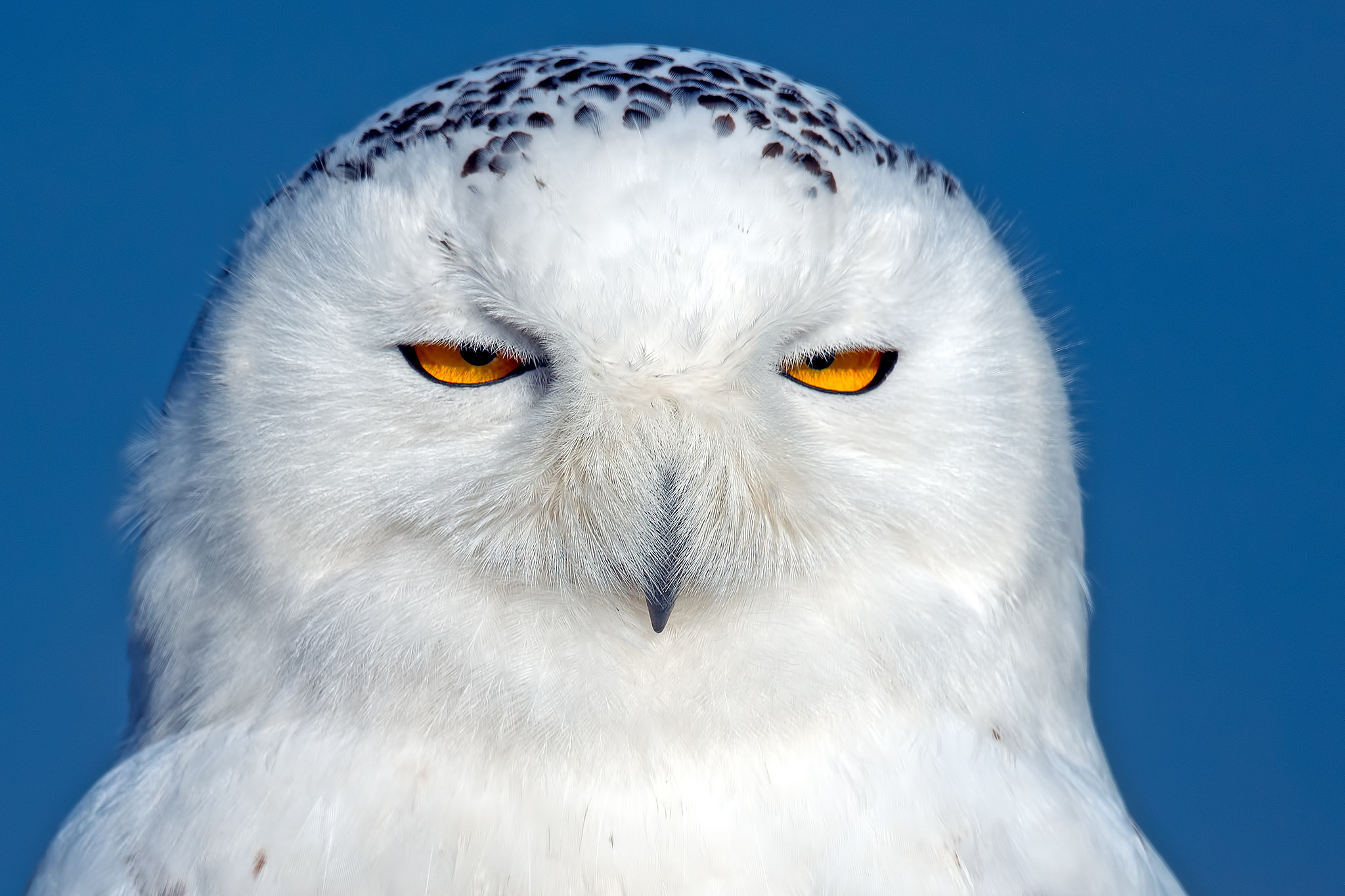
The snowy owl, a creature of stark white plumage (though females and juveniles exhibit varying degrees of dark barring), commands attention. Its striking appearance is more than mere aesthetics; it’s a crucial adaptation for survival in the Arctic’s desolate landscapes. These owls boast a robust build, with a wingspan reaching up to five feet, enabling them to soar effortlessly over vast expanses of tundra. Their piercing yellow eyes, set within a rounded facial disc, grant them exceptional binocular vision, crucial for spotting prey across snow-covered terrains.
II. A Master of Camouflage: Plumage as a Survival Strategy
The snowy owl’s predominantly white plumage serves as masterful camouflage. It allows them to blend seamlessly with the snowy surroundings, granting them a distinct advantage when stalking prey or evading predators. Younger owls, with their darker markings, are better camouflaged amongst the patchy snow and vegetation of the summer tundra. This ontogenetic shift in plumage highlights the adaptive nature of their coloration. The camouflage is not merely passive; it is an active component of their hunting strategy, allowing them to ambush unsuspecting prey.
III. The Lemming Link: Understanding Trophic Dependence
The snowy owl’s life cycle is inextricably linked to the population dynamics of lemmings, small rodents that form the cornerstone of their diet. When lemming populations are abundant, snowy owls experience increased breeding success, often laying larger clutches of eggs and raising more offspring. Conversely, during lemming crashes, snowy owls may forgo breeding altogether or disperse southward in search of alternative food sources, an event known as an irruption. These irruptions can bring snowy owls to regions far south of their typical Arctic range, offering a glimpse into the far-reaching consequences of trophic dependence. The entire ecosystem pulses with the rhythm of the lemming cycle, and the snowy owl is its most visible conductor.
IV. Hunting Tactics: Precision and Patience in a Frozen World
Snowy owls employ a range of hunting techniques, showcasing their adaptability and intelligence. One common strategy is the “sit-and-wait” approach, where the owl perches atop a raised vantage point, such as a hummock or snowdrift, scanning the surrounding area for prey. Once a target is spotted, the owl launches into a silent, swift flight, using its sharp talons to seize the unsuspecting victim. They are also adept at hunting on the ground, particularly during periods of deep snow, using their keen hearing to locate prey hidden beneath the surface. Their hunting prowess is a testament to their evolutionary adaptation to the harsh Arctic environment. Imagine the focus required to pinpoint the faintest rustle beneath a blanket of snow.
V. Beyond Lemmings: Dietary Versatility and Opportunistic Predation
While lemmings constitute their primary food source, snowy owls are opportunistic predators, readily diversifying their diet when necessary. Voles, mice, birds (including waterfowl and seabirds), and even fish may become prey items, particularly during periods of lemming scarcity. This dietary flexibility is crucial for their survival in a fluctuating environment. Their ability to adapt their hunting strategies and prey selection demonstrates their ecological resilience. Consider the challenge of switching from a rodent-based diet to one dominated by avian prey; the snowy owl navigates this with remarkable ease.
VI. The Nesting Season: A Crucible of Life and Death
The snowy owl’s nesting season is a period of intense activity and vulnerability. Nests are typically situated on elevated mounds or ridges, providing a clear view of the surrounding landscape. The female lays a clutch of eggs, the size of which is directly correlated with lemming abundance. Both parents participate in incubating the eggs and raising the young, fiercely defending their nest against potential predators, such as Arctic foxes and jaegers. The success of each breeding season is a precarious balance, dependent on the availability of food and the constant threat of predation. Each hatchling represents a triumph against the odds, a testament to the parents’ dedication and the owl’s innate resilience.
VII. Threats to Survival: Climate Change and Human Impact
Despite their remarkable adaptations, snowy owls face a growing number of threats, primarily stemming from climate change and human activities. The warming Arctic is altering the distribution and abundance of lemmings, impacting the owl’s primary food source. Habitat degradation, caused by resource extraction and development, further reduces their nesting and hunting grounds. Climate change induced alterations to snow cover duration are also impacting hunting success. Conservation efforts are crucial to mitigate these threats and ensure the long-term survival of these iconic birds. The future of the snowy owl hangs in the balance, dependent on our collective actions.
VIII. Conservation Imperatives: Protecting the Arctic’s Apex Predator
Protecting snowy owls requires a multifaceted approach, encompassing habitat conservation, climate change mitigation, and responsible resource management. Establishing protected areas, reducing greenhouse gas emissions, and minimizing human disturbance in critical nesting and foraging areas are essential steps. Further research is needed to better understand the owl’s population dynamics, habitat requirements, and responses to environmental changes. Educating the public about the importance of snowy owl conservation is also crucial for fostering a sense of stewardship and inspiring action. The call to action is clear: we must act now to safeguard the future of these Arctic phantoms. The ghostly presence of the snowy owl reminds us of the interconnectedness of all life and the urgent need to protect the fragile Arctic ecosystem.