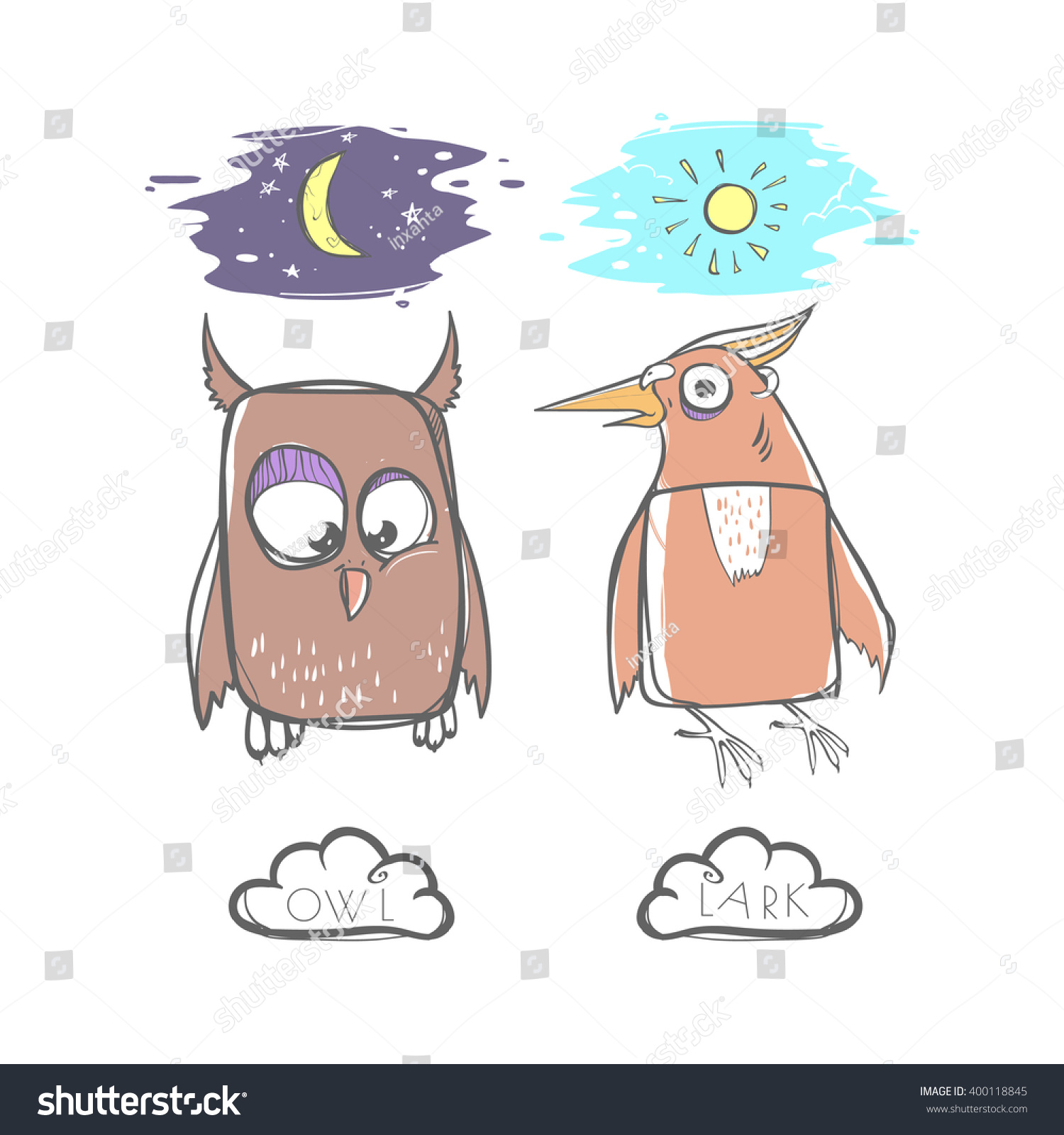
The human experience, in its vast tapestry, is intrinsically woven with the threads of circadian rhythms. These internal clocks, ticking away in the background, dictate our sleep-wake cycles, influencing everything from our cognitive acuity to our metabolic processes. This physiological reality invariably leads us to a perennial question: Are we naturally inclined to greet the dawn with enthusiasm, or do we find our peak performance under the cloak of twilight? The answer, of course, lies somewhere along a spectrum, but the poles of “morning lark” and “night owl” represent two distinct chronotypes, each with its own unique set of advantages and challenges.
The debate between these two chronotypes isn’t merely about preference; it’s about understanding the inherent predispositions that shape our lives. Are morning larks inherently more productive, or are night owls unfairly penalized by a society structured around early rising? This exploration will delve into the science, the societal implications, and the individual nuances that define the morning lark vs. night owl dichotomy.
I. Unveiling the Chronotype: A Biological Basis
The concept of a chronotype isn’t simply a matter of personal choice; it’s rooted in our genetic makeup and physiological processes. Genes, such as the Period genes (PER1, PER2, PER3), play a crucial role in regulating the circadian rhythm. These genes influence the production of proteins that oscillate over a 24-hour cycle, thereby impacting our sleep-wake patterns. Indeed, these genetic variations explain why some individuals are predisposed to earlier or later bedtimes and wake-up times. Consider, for instance, that an individual with a shorter PER gene variant may find it easier to wake up early, while someone with a longer variant might naturally gravitate towards later hours.
Moreover, the suprachiasmatic nucleus (SCN), located in the hypothalamus, acts as the master clock of the body. This tiny brain region receives light information from the eyes and synchronizes the body’s internal rhythms with the external environment. The SCN influences the release of hormones like melatonin, which promotes sleepiness, and cortisol, which promotes alertness. The timing of these hormonal releases differs between morning larks and night owls. Morning larks experience an earlier surge of cortisol and melatonin suppression, while night owls exhibit a delayed pattern, making them feel more alert later in the day.
II. The Allure of the Morning Lark: Embracing the Dawn
The morning lark, often lauded for their early rising habits, possesses a unique advantage in a society that generally favors an early-to-bed, early-to-rise schedule. Their peak cognitive performance typically occurs in the morning hours, making them well-suited for tasks that require focus and attention. Imagine a dew-kissed garden, quiet and serene – this is the lark’s ideal work environment. The lack of distractions allows them to tackle complex problems and complete tasks with greater efficiency. They are often seen as proactive, organized, and disciplined, aligning seamlessly with the demands of traditional work structures.
Furthermore, studies suggest that morning larks may experience improved mental well-being. The alignment of their internal clock with societal norms can reduce feelings of stress and social jet lag. The ability to complete tasks early in the day can also contribute to a sense of accomplishment and control, promoting a more positive outlook. Their early waking hours allow them to engage in activities like exercise or meditation, further enhancing their overall health and well-being.
III. The Enigmatic Night Owl: Thriving in the Twilight
Conversely, the night owl thrives in the quiet solitude of the late evening and early morning hours. Their cognitive peak often occurs later in the day, allowing them to engage in creative and analytical tasks when others are winding down. For the night owl, the world is their oyster when darkness descends. The absence of external pressures and interruptions allows them to delve deep into their work, fostering innovation and problem-solving. They are often perceived as creative, independent, and unconventional, excelling in fields that demand originality and out-of-the-box thinking.
While societal pressures may pose challenges for night owls, their unique chronotype can also offer distinct advantages. Research suggests that night owls may possess superior working memory and cognitive flexibility. Their ability to stay awake and alert during extended periods can be beneficial in certain professions, such as emergency medicine or creative fields. Moreover, the late hours often provide opportunities for introspection and self-reflection, fostering personal growth and development.
IV. Societal Implications: A World Built for Larks?
Our society, structured around the 9-to-5 workday and early school start times, often favors morning larks. This can create a significant disadvantage for night owls, who may struggle to perform at their best during these hours. The mismatch between their internal clock and societal demands can lead to chronic sleep deprivation, reduced productivity, and increased stress levels. This societal bias can have far-reaching consequences, impacting everything from career opportunities to mental health.
However, there is a growing recognition of the need to accommodate different chronotypes. Flexible work schedules, later school start times, and the implementation of circadian-friendly lighting can all help create a more inclusive environment for night owls. By acknowledging and respecting individual differences in sleep-wake patterns, we can foster a more productive and equitable society for all.
V. Embracing Your Chronotype: Optimizing Personal Performance
Ultimately, the question of whether morning larks or night owls are “better” is a fallacy. Each chronotype possesses its own unique strengths and weaknesses. The key lies in understanding and embracing your individual circadian rhythm. By aligning your daily activities with your natural sleep-wake patterns, you can optimize your cognitive performance, enhance your well-being, and unlock your full potential.
For morning larks, this might involve scheduling demanding tasks for the morning hours and engaging in less strenuous activities later in the day. For night owls, this might involve prioritizing tasks that require creativity and problem-solving for the evening hours and ensuring adequate sleep to avoid chronic sleep deprivation. Regardless of your chronotype, prioritizing sleep hygiene, maintaining a consistent sleep schedule, and creating a conducive sleep environment are essential for overall health and well-being. The true advantage lies not in adhering to a particular chronotype ideal, but in understanding and optimizing your own unique rhythm.