The night is a silent auditor, witnessing the ceaseless dance of predators and prey beneath its velvet cloak. Among these nocturnal sovereigns, owls reign as enigmatic sentinels, their golden eyes piercing the darkness with unnerving precision. Yet, as the earth’s crust trembles under the relentless onslaught of mining, these guardians of the night face an existential threat. Resource extraction does not merely scar the land—it extinguishes the whispers of the wild, the rustle of leaves in the owl’s domain. This is the story of how the voracious appetite for minerals and metals is eroding the very fabric of ecosystems that have cradled these birds for millennia.
The Silent Erosion: How Mining Silences the Owl’s Realm
Imagine the forest as a cathedral, its towering trees the pillars of an ancient hymn sung by generations of owls. Each hoot, each rustle, is a verse in a symphony of survival. Now, picture the arrival of the mining industry—a cacophony of drills, explosives, and earth-moving machinery that shatters the silence. The owl, a creature of precision and patience, thrives in the stillness of undisturbed habitats. When mining operations encroach, the air itself becomes a minefield of noise pollution, disorienting these nocturnal hunters. Studies reveal that even low-frequency vibrations from blasting can disrupt their hunting patterns, forcing them to abandon territories they’ve defended for decades. The owl’s world, once a sanctuary of whispers, becomes a chamber of horrors.
The Fragmented Canopy: A Habitat Shattered by the Bulldozer’s Wrath
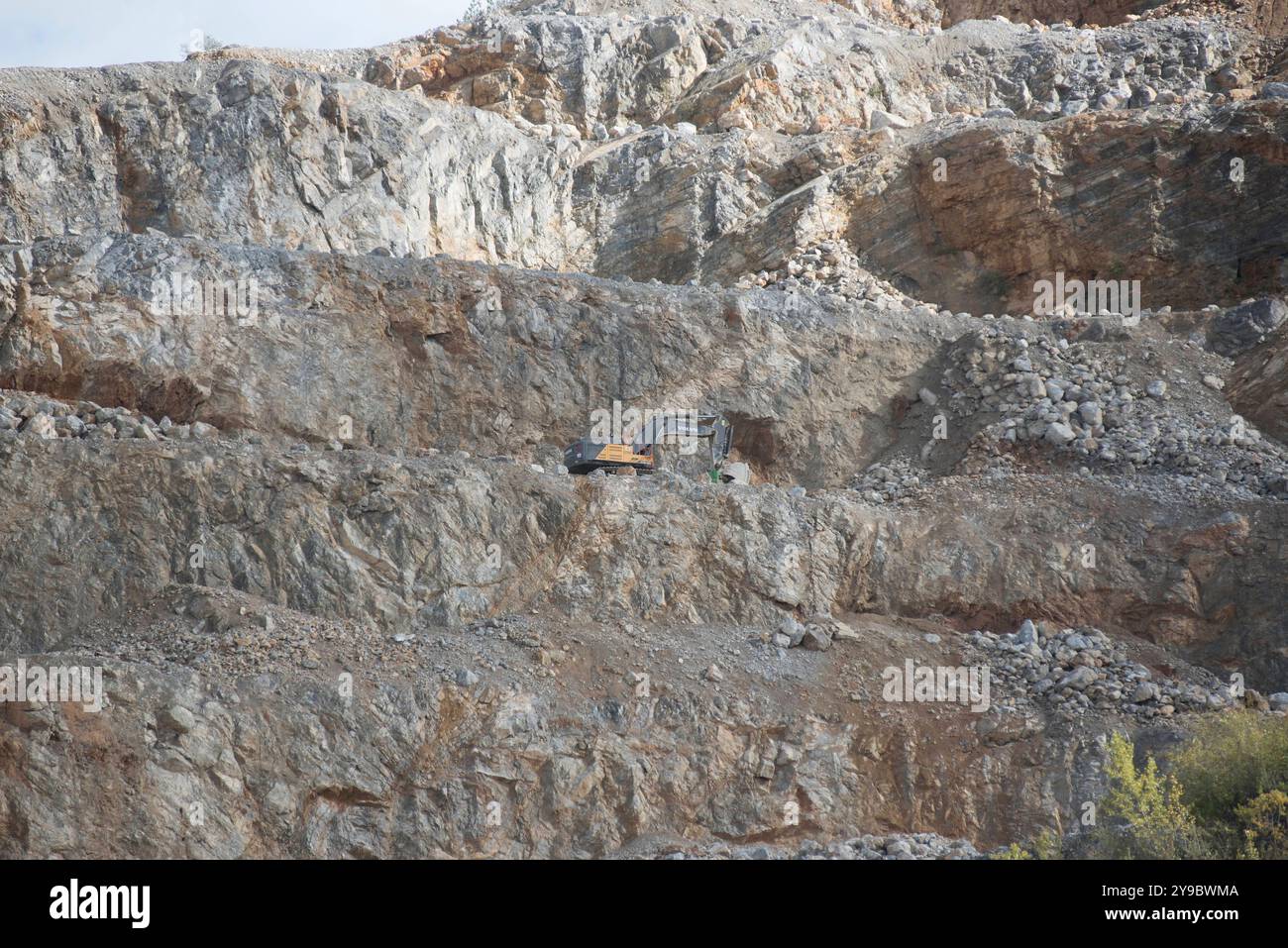
Owls are creatures of the edges—forest clearings, riverbanks, and rocky outcrops where prey is abundant and visibility is unobstructed. Mining does not merely intrude; it dismembers. Open-pit mines carve gaping wounds into the earth, severing the corridors owls rely on to traverse their hunting grounds. The fragmentation of forests leaves them marooned in isolated pockets, where the absence of contiguous canopy forces them into competition with other predators. The once-vast territories of a great horned owl, for instance, shrink to a fraction of their former expanse, leaving them vulnerable to starvation and territorial disputes. The land, once a seamless tapestry of life, is now a patchwork of scars, each one a silent scream for the owls that once called it home.
Toxic Shadows: The Poisoned Legacy of Resource Extraction
Beneath the earth’s surface lies a Pandora’s box of heavy metals—lead, mercury, arsenic—each a silent assassin lurking in the soil and water. Mining operations unleash these toxins into the environment, where they leach into streams and rivers, poisoning the very prey owls depend on. A barred owl, feasting on a contaminated rodent, ingests a cocktail of poisons that accumulate in its liver and kidneys. Over time, the owl’s reflexes dull, its hunting prowess wanes, and its once-sharp talons become leaden weights. The tragedy is not just in the individual deaths but in the slow, creeping erosion of an entire species’ resilience. The land, once a cradle of biodiversity, becomes a graveyard of slow-motion extinction.
The Vanishing Twilight: Light Pollution and the Owl’s Lost Dominion
Owls are creatures of the twilight, their golden eyes adapted to the dimmest of lights. Yet, mining operations bring with them a blight of artificial illumination—spotlights, floodlights, and the eerie glow of 24-hour operations. This light pollution disrupts the owl’s circadian rhythms, confusing their internal clocks and forcing them into unnatural patterns of activity. A barn owl, once a ghostly specter gliding over moonlit fields, now finds itself blinded by the glare of industrial progress. The night, once a realm of safety and secrecy, becomes a gauntlet of blinding light, where the owl’s stealth is rendered obsolete. The irony is stark: in their quest to illuminate human progress, we extinguish the very darkness that sustains these nocturnal marvels.
The Unseen Hand: Climate Change and the Owl’s Shrinking Horizon
Mining does not merely extract minerals—it accelerates the machinery of climate change. The burning of fossil fuels to power mining operations releases carbon into the atmosphere, warming the planet and altering the delicate balance of ecosystems. For owls, this means shifting prey populations, dwindling water sources, and the encroachment of invasive species that outcompete native wildlife. A snowy owl, once a denizen of the Arctic tundra, now finds its icy hunting grounds melting beneath its talons. The owl’s world is not just shrinking—it is unraveling, thread by thread, as the planet’s thermostat climbs ever higher. The owl, a symbol of wisdom and adaptability, is now a canary in the coal mine, its struggles a harbinger of the ecological collapse that looms on the horizon.
The Last Stand: Conservation in the Age of Extraction
Yet, all is not lost. Conservationists and scientists are waging a quiet war against the tide of destruction, advocating for mining-free zones, reforestation projects, and the creation of wildlife corridors to reconnect fragmented habitats. The owl, with its unparalleled ability to inspire awe, has become a flagship species for these efforts. By protecting the owl, we safeguard the intricate web of life that sustains us all. The challenge is monumental, but the rewards are profound—a world where the owl’s hoot echoes through pristine forests, where the night remains a sanctuary of whispers, and where the earth’s resources are extracted with reverence rather than rapacity. The choice is ours: will we be the architects of destruction, or the stewards of renewal?