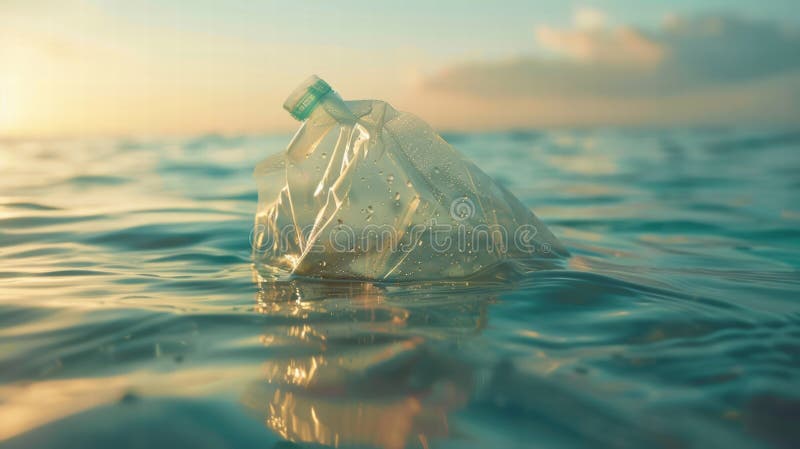
The forest hums with the hush of twilight, a symphony of rustling leaves and distant owl calls. Beneath the canopy, a silent predator glides—its golden eyes piercing the gloom, talons poised to strike. But this night, the hunt is different. Instead of a mouse, its prey is a glinting shard of plastic, a grotesque mimicry of the natural world. This is the unseen battlefield where owls and plastic pollution collide, a clash of ancient instinct against modern folly.
The Silent Infiltrator: How Plastic Invades the Wild
Plastic is the chameleon of the Anthropocene, a shape-shifting menace that masquerades as food, shelter, and even the sky itself. Owls, creatures of precision and instinct, are ill-equipped to discern the difference between a beetle and a microplastic bead. The problem begins with ingestion—owls, like many raptors, regurgitate indigestible materials as pellets. But plastic doesn’t break down. It lingers, accumulating in their gizzards like a slow poison, eroding their digestive tracts from the inside out. The irony is cruel: a bird designed to hunt with surgical accuracy is undone by the very waste it cannot see.
Worse still, plastic doesn’t just sit inert. It absorbs toxins—pesticides, heavy metals, industrial runoff—transforming into a Trojan horse of contamination. When an owl swallows a contaminated fragment, it doesn’t just ingest plastic; it ingests a cocktail of poisons, each one a silent saboteur of its nervous system, reproductive health, and longevity. The consequences are not immediate, but insidious, like a shadow creeping across the forest floor.
The Ghosts of Forgotten Habitats: Plastic as Ecological Erasure
Imagine a forest where the air itself is laced with invisible filaments of microplastic, where the soil is a graveyard of soda rings and fishing line. This is not dystopian fiction—it is the reality for owls in polluted ecosystems. Plastic doesn’t just harm individuals; it rewrites entire habitats. The loss of an owl is more than the absence of a predator—it’s the unraveling of a delicate ecological tapestry. Without owls, rodent populations explode, seeds go uneaten, and the balance of the forest teeters on the edge of collapse.
Consider the barn owl, a ghostly specter of the night, whose silent flight is a marvel of evolutionary engineering. Yet, in regions choked with plastic waste, these owls are forced to nest in debris-strewn cavities, their eggshells thinning under the weight of environmental toxins. The result? Fewer chicks, weaker fledglings, and a slow genetic erosion that could take generations to reverse—if it can be reversed at all. Plastic doesn’t just kill; it erodes the very fabric of life, leaving behind a hollowed-out world where only the most adaptable (and often the most resilient) survive.
The Owl’s Dilemma: Instinct vs. Industrialization
Owls are creatures of habit, their lives governed by the immutable laws of nature. They hunt where prey is abundant, nest where the terrain is safe, and migrate along ancient pathways. But plastic pollution has introduced a variable no evolutionary algorithm could have predicted. A plastic bag drifting on the wind might resemble a mouse’s nest. A discarded fishing line could ensnare a fledgling mid-flight. The owl’s world, once predictable, is now a minefield of human-made hazards.
This is the crux of the issue: owls are not built to outthink plastic. Their brains are wired for instinct, not innovation. When a plastic fragment clogs an owl’s digestive system, it’s not a failure of the bird—it’s a failure of humanity. We have flooded their world with a material that defies the rules of decomposition, a substance that lingers like a curse. The owl’s dilemma is our own: in our quest for convenience, we have created a silent predator that preys on the unwary, the unknowing, and the unprotected.
The Ripple Effect: How One Owl’s Plight Echoes Through the Food Web
The impact of plastic pollution on owls extends far beyond the individual bird. Owls are apex predators, the silent regulators of the food web. When their numbers decline, the entire ecosystem feels the tremors. Rodents multiply unchecked, devouring crops and spreading disease. Insect populations explode, disrupting pollination cycles. Even the soil suffers, as the absence of owl-mediated seed dispersal alters the composition of plant life. It’s a domino effect, a cascade of unintended consequences that begins with a single piece of plastic.
Take the case of the tawny owl, a species once ubiquitous across Europe. In areas where plastic waste is rampant, these owls are increasingly found with plastic fragments in their pellets. Studies suggest that chicks fed contaminated prey grow slower, their immune systems compromised. The result? A generation of owls that are smaller, weaker, and less likely to survive to adulthood. The forest grows quieter, the night less alive, and the balance of nature—once a self-sustaining machine—begins to sputter.
Breaking the Cycle: Can We Save the Owls Before It’s Too Late?
The fight to save owls from plastic pollution is not just about cleaning up litter—it’s about reimagining our relationship with the natural world. It starts with awareness: recognizing that a plastic bottle tossed into a river doesn’t just disappear; it becomes a death sentence for a barn owl a hundred miles downstream. It continues with systemic change: banning single-use plastics, enforcing waste management laws, and investing in biodegradable alternatives. But it also demands something more profound—a shift in mindset.
We must see plastic not as a convenience, but as a contaminant. Not as a disposable item, but as a persistent pollutant. Not as a symbol of progress, but as a relic of our own shortsightedness. The owls, after all, have been here long before us. They have survived ice ages and deforestation, only to be undone by our inability to dispose of our waste responsibly. The solution lies not in technological fixes, but in humility—a recognition that we are not the masters of nature, but its stewards.
The forest at twilight is a place of quiet majesty, where every rustle and hoot tells a story. But those stories are changing. The owl’s call is no longer just a hunting cry; it is a plea. A plea for us to see the plastic for what it is—not just a nuisance, but a menace. A menace that, if left unchecked, will leave the night silent, the forest empty, and the ancient pact between predator and prey broken forever.