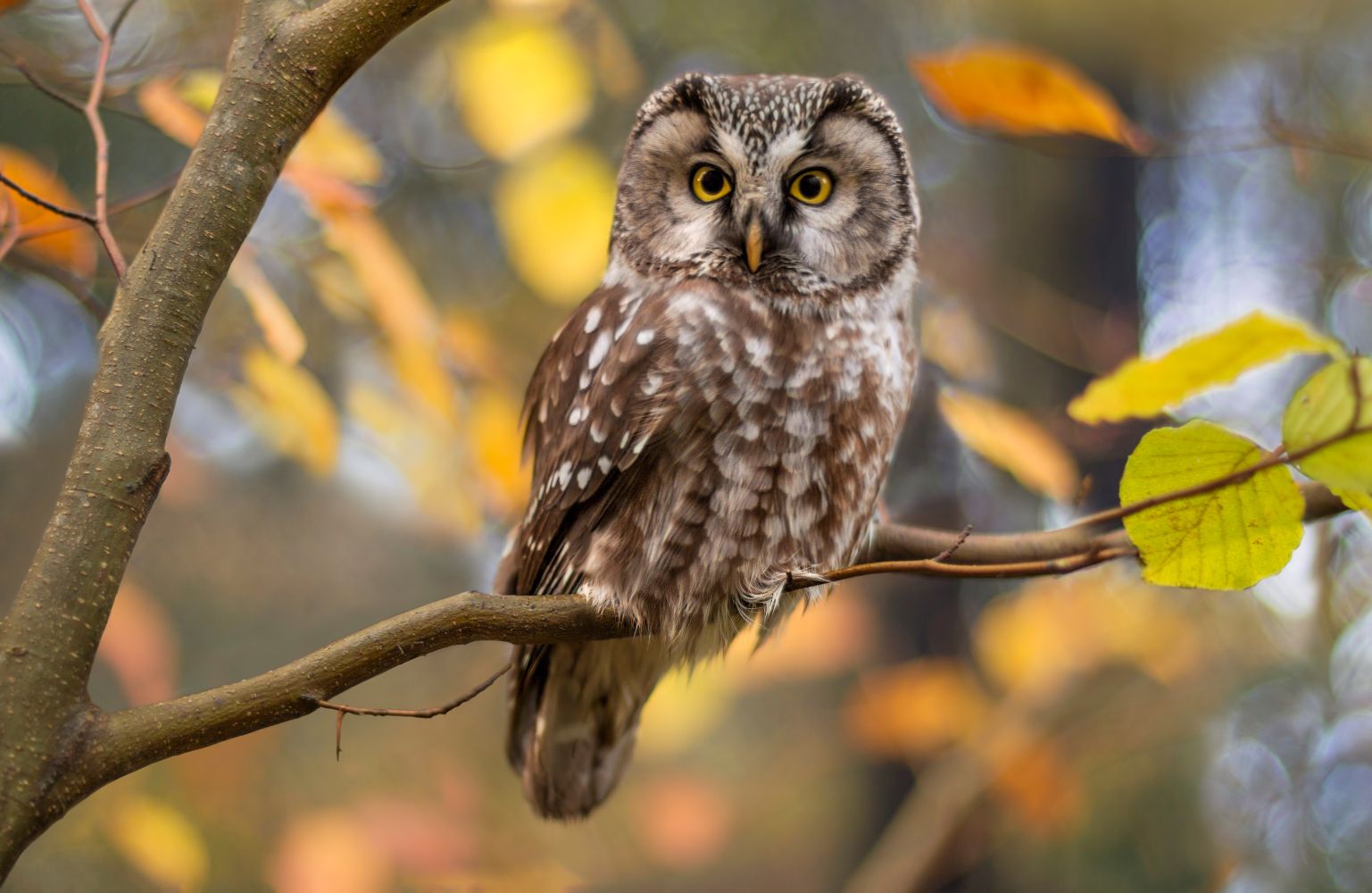
Have you ever paused beneath the emerald canopy of an ancient forest, where shafts of golden light pierce the dappled gloom, and wondered: who keeps this teeming world in balance? The answer might just be perched silently above you, wrapped in feathers like a cloak of twilight wisdom—an owl. These nocturnal sentinels are far more than mere symbols of mystery and magic; they are the forest’s unsung architects, sculpting the health of woodlands with every silent wingbeat and piercing gaze.
The Silent Architects: How Owls Shape Forest Dynamics
Owls are the architects of ecological rhythm. By night, they patrol the understory and canopy, their presence alone curbing the unchecked proliferation of small mammals. Imagine a forest where voles and mice multiply unchecked—saplings would be devoured, seeds buried before they sprout, and the delicate balance of regeneration would collapse. But owls, with their razor-sharp talons and insatiable appetite, act as natural pest controllers. A single barn owl, for instance, can consume over 3,000 rodents in a year. That’s not just pest control; it’s population governance. Their hunting patterns create a ripple effect—less grazing pressure means healthier ground cover, which in turn supports diverse plant communities and, ultimately, a more resilient forest.
Yet, this ecological stewardship comes with a twist. What if the owls themselves become too successful? What if their presence disrupts the very prey populations they rely on? This delicate equilibrium—where predator and prey dance on the edge of sustainability—is the forest’s greatest balancing act. Too many owls, and the forest starves. Too few, and the forest chokes. Owls, in their quiet wisdom, remind us that nature thrives not in domination, but in harmony.
The Nocturnal Network: Owls as Keystone Species in Forest Ecosystems
Owls don’t just hunt—they connect. They are keystone species, the linchpins that hold forest ecosystems together. Their nests, often reused year after year, become hubs of activity. Fungi grow in the detritus of old pellets. Insects burrow into the decaying wood of abandoned nests. Small birds, drawn to the safety of owl territories, weave their own lives into the fabric of the forest. Even the soil benefits—owl pellets, rich in calcium and phosphorus, fertilize the earth, nourishing the next generation of trees.
But here lies a challenge: habitat fragmentation. As forests shrink and roads carve through ancient woodlands, owls face a cruel paradox. They need large territories to thrive, yet their habitats are increasingly sliced into isolated fragments. A great horned owl may require up to 10 square kilometers to hunt and nest. When forests are reduced to postage-stamp patches, owls struggle to find enough food, mates, or safe nesting sites. The result? A cascade of decline—not just for owls, but for the entire forest community that depends on their presence.
The Feathered Pharmacists: Owls and Forest Health
Owls are nature’s pharmacists, dispensing ecological medicine through their very existence. Their role in controlling rodent populations prevents overgrazing, which can lead to soil erosion and the spread of invasive plant species. In some regions, owls have been credited with preserving rare orchids and ferns that would otherwise be trampled under the hooves of hungry herbivores. Their silent flight, a marvel of evolutionary engineering, allows them to hunt without disturbing the forest floor, ensuring that the leaf litter and soil structure remain intact.
Yet, their influence extends beyond the physical. Owls are cultural keystones, too. Indigenous traditions across the globe revere them as symbols of wisdom and guardians of the wild. In Celtic lore, the owl is a messenger between worlds. In Japanese folklore, it wards off misfortune. This cultural reverence often translates into conservation efforts—communities protecting owl habitats not just for ecological reasons, but for spiritual ones. When owls vanish, so too does a piece of human heritage, a thread connecting us to the ancient rhythms of the forest.
The Unseen Challenge: Climate Change and the Owl’s Dilemma
But the forest is changing. Warmer temperatures, shifting seasons, and extreme weather events are rewriting the rules of survival. For owls, this presents a daunting challenge. Milder winters may reduce the need for deep snow cover, making it easier for predators to hunt—but they also disrupt the synchronized life cycles of prey and predator. A snowy owl, adapted to Arctic tundra, may find its hunting grounds transformed into a shrubby, unfamiliar landscape. Meanwhile, southern species like the burrowing owl are pushed northward, clashing with established ecosystems.
What’s more, climate change alters the very structure of forests. Drought-stressed trees become more susceptible to pests, which in turn attract rodents—and suddenly, the owl’s carefully balanced menu is thrown into chaos. The owl, that silent guardian of the night, now faces a world where the rules of the game are rewritten overnight. Can it adapt? Or will it become another casualty of a planet out of sync?
The Future of the Forest: Can We Save the Owls Before It’s Too Late?
The fate of the owl is intertwined with our own. To protect these feathered sentinels, we must do more than admire them from afar. We must restore their habitats, create wildlife corridors, and reduce our reliance on rodenticides that poison the very animals owls depend on. We must listen to the warnings they carry—not just in their hoots, but in the silences between them.
Imagine a forest where owls soar freely, where their presence ensures the health of every leaf, every root, every creature that calls the woodland home. That forest is not a relic of the past—it is a vision of the future we can still choose. The owl does not ask for much. Just space. Just time. Just the chance to keep the forest alive, one silent wingbeat at a time.