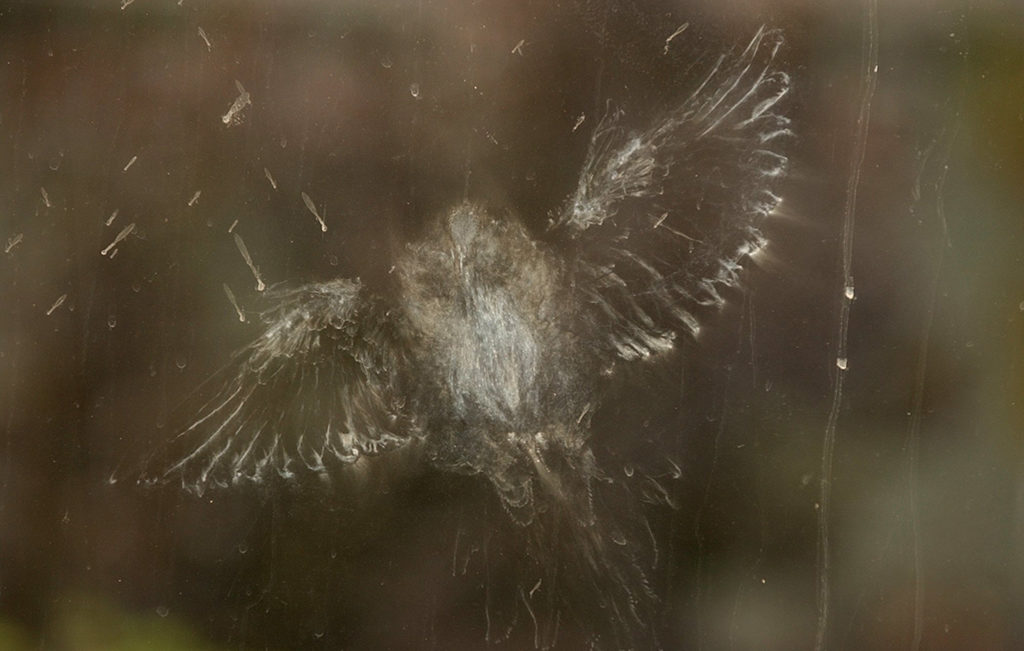
Imagine a world where the sky’s silent hunters—owls—navigate the modern labyrinth of human-made structures with ease. A world where glass facades don’t become deadly mirrors, where power lines don’t transform into invisible snares, and where vehicles don’t pose the threat of sudden, tragic collisions. This isn’t a utopian fantasy; it’s a future we can actively shape. The key lies not in altering the owls’ instincts, but in reimagining our own relationship with the spaces we share. How? By turning our attention to the invisible barriers we’ve erected—barriers that, with a few deliberate shifts, can become bridges instead.
The Glass Menace: Why Windows Are Silent Killers
Glass is a deceptive predator. It reflects the sky, the trees, the very essence of the outdoors, luring owls into a false sense of security. To them, a window is an extension of the horizon, a continuation of the flight path they’ve trusted for millennia. But when they collide with it, the impact is often fatal. The tragedy isn’t just in the loss of life—it’s in the preventability of it. Simple solutions, like affixing decals or installing external screens, can disrupt the illusion of continuity. Even something as unassuming as a single strip of tape in a cross pattern can shatter the deadly reflection. The irony? We design these structures to admire the view, yet we’ve failed to account for the creatures who share that view. It’s time to ask ourselves: If a window can kill, can it also protect?
Power Lines: The Invisible Snares of the Sky
Power lines are the modern-day equivalent of a spider’s web—thin, ubiquitous, and deadly when unseen. Owls, with their keen eyesight and powerful wings, often misjudge the distance between perches or fail to detect the wires in time. The result? A collision that can maim or kill. But here’s the twist: these lines don’t have to be death traps. Retrofitting power poles with perch guards or installing bird diverters—small, reflective devices that make the wires visible—can turn these snares into safe passageways. The cost? Minimal. The impact? Lifesaving. It’s a reminder that even the most mundane elements of our infrastructure can be reimagined with a little ingenuity. What if we treated every power line as a potential lifeline instead?
Vehicles: The Unseen Threat on the Ground
Owls aren’t just aerial acrobats; they’re ground dwellers too. When they swoop low to hunt or scavenge, they often find themselves in the path of oncoming traffic. The result is a collision that’s as sudden as it is brutal. But the solution isn’t to cage the owls—it’s to rethink how we share the roads. Installing roadside reflectors or planting native vegetation along highways can create natural corridors that guide owls away from danger. Even something as simple as reducing speed limits in known owl habitats during dusk and dawn can make a world of difference. The message is clear: we don’t have to choose between human convenience and wildlife safety. We just have to be willing to slow down, literally and metaphorically.
Light Pollution: The Disorienting Glow of the Night
Artificial light doesn’t just disrupt human sleep—it disorients owls too. The glow of cities and towns can confuse their navigation, leading them into areas where collisions with windows, power lines, or vehicles become inevitable. But light pollution isn’t an unsolvable problem. Motion-activated lighting, shielded fixtures, and even the strategic planting of trees to block light can restore the night’s natural rhythm. It’s a reminder that darkness isn’t the enemy; it’s a canvas for life. By dimming the excess, we don’t just protect owls—we reclaim the night for all its inhabitants.
Community Action: The Power of Collective Care
No single person can rewire a city or retrofit every power pole, but together, we can spark a movement. Community-led initiatives—like installing decals in local buildings, reporting injured owls to wildlife rehabilitators, or advocating for wildlife-friendly infrastructure—can create ripple effects that extend far beyond individual efforts. Schools can educate students about owl conservation, local governments can update building codes, and businesses can adopt bird-safe practices. The key is to see this not as a chore, but as an opportunity to redefine our relationship with nature. What if every community became a sanctuary, not just for humans, but for the creatures who share our world?
Technology as an Ally: Innovations That Bridge the Divide
The future isn’t just about what we do—it’s about how we do it. Emerging technologies are offering new ways to protect owls without disrupting human life. Thermal cameras can detect owl movements near power lines, triggering alerts to prevent collisions. AI-powered apps can map high-risk areas, allowing drivers to adjust their routes. Even drones equipped with acoustic deterrents can gently guide owls away from danger zones. The message is clear: innovation isn’t just about progress—it’s about coexistence. By harnessing technology, we can turn the tide on owl collisions and create a world where both humans and wildlife thrive.
The Ripple Effect: Why Owl Conservation Matters
Protecting owls isn’t just about saving a single species—it’s about preserving the delicate balance of our ecosystems. Owls are apex predators, controlling rodent populations and maintaining biodiversity. When they disappear, the consequences ripple outward, affecting everything from crop yields to the spread of disease. But the lesson goes deeper. Owls are a mirror, reflecting our own relationship with the natural world. If we can’t protect them, what does that say about our ability to protect ourselves? The fight to prevent owl collisions is more than a conservation effort—it’s a test of our humanity. Will we rise to the challenge?
The path forward isn’t paved with grand gestures, but with small, deliberate steps. A decal here, a speed limit sign there, a community workshop in between. Each action is a thread in the larger tapestry of coexistence. The question isn’t whether we can prevent owl collisions—it’s whether we’re willing to try. The owls are waiting. The night is dark. The time to act is now.