The night belongs to the owls. Silent, sentinel-like, they drift through the dark like living shadows, their golden eyes piercing the gloom with unnerving precision. For centuries, these enigmatic birds have captivated human imagination—haunting folklore as omens, revered in ancient mythologies, and studied with equal parts awe and frustration by scientists. Their nocturnal habits, elusive nature, and vast, often inaccessible habitats have long made traditional research methods painstakingly slow. But now, a new era of discovery is taking flight—not on wings of feathers, but on the hum of electric motors and the quiet whir of rotors. Drones are revolutionizing owl research and conservation, transforming what was once a labor of patience into a dynamic, data-rich endeavor. This silent technological revolution is not just changing how we study these birds; it’s redefining our relationship with the night itself.
The Nocturnal Enigma: Why Owls Have Always Been Hard to Study
Owls are the ghosts of the natural world. Their cryptic plumage, crepuscular habits, and habit of nesting in dense forests or remote cliffs render them nearly invisible to conventional observation. For researchers, this has meant long, cold nights spent in blinds, armed with binoculars and notebooks, hoping for a fleeting glimpse of a barred owl or a barn owl in flight. Even then, identification often relies on auditory cues—the eerie trill of a screech owl or the haunting hoot of a great horned owl—rather than visual confirmation. Traditional methods like mist-netting or nest box monitoring are labor-intensive, invasive, and often yield limited data. The result? A fragmented understanding of owl behavior, migration patterns, and population dynamics. But what if we could observe them without disturbing them? What if we could map their territories in real time, track their movements across vast landscapes, and even eavesdrop on their nocturnal conversations? Enter the drone—a tool that is not just observing the night, but illuminating it.
Silent Wings: How Drones Are Bridging the Gap Between Human and Owl Worlds
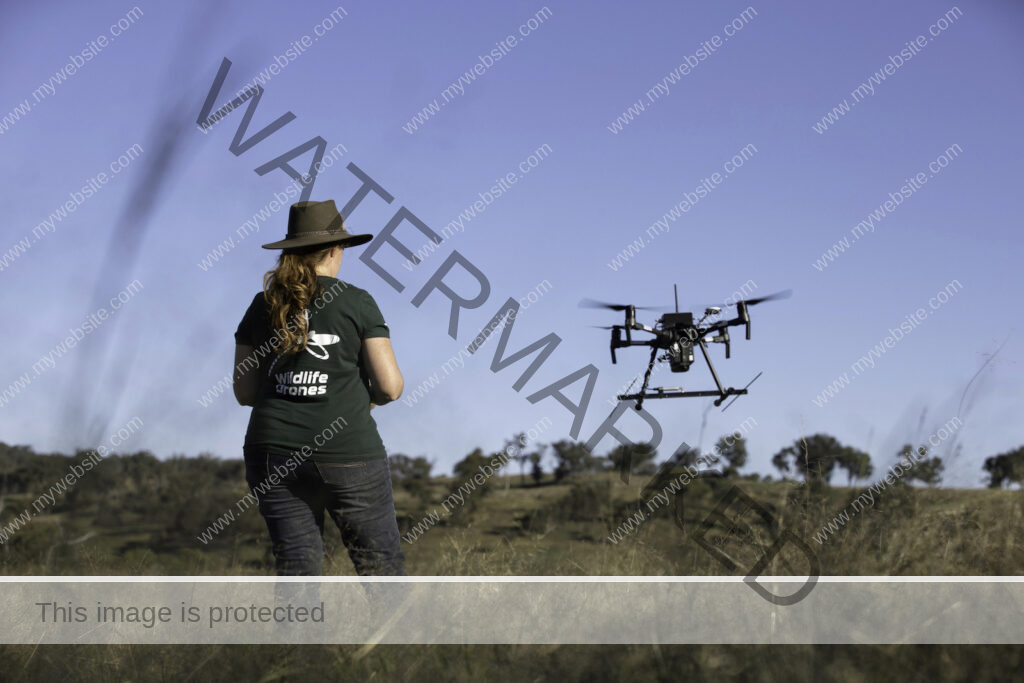
Drones, or unmanned aerial vehicles (UAVs), are uniquely suited to owl research because they operate in the same realm as these birds—above the ground, below the canopy, and within the twilight hours when owls are most active. Unlike human observers, drones can traverse rugged terrain without fatigue, hover silently over nesting sites, and capture high-resolution imagery without the need for invasive equipment. Thermal imaging drones, in particular, have become game-changers. Owls, like all birds, radiate heat, and thermal cameras can detect their presence even in complete darkness, revealing roosting sites hidden in dense foliage or cliffside crevices. This technology has allowed researchers to locate previously unknown nests, monitor breeding success, and even observe parental care behaviors without ever disturbing the birds. The result is a level of intimacy with owl lives that was once unimaginable.
But the benefits extend beyond mere observation. Drones equipped with multispectral sensors can analyze habitat quality by detecting changes in vegetation health, soil moisture, and even prey availability—critical factors in understanding owl ecology. By integrating drone data with traditional fieldwork, scientists are constructing a more holistic picture of owl habitats, one that accounts for both the birds and their environment. This synergy is not just scientific progress; it’s a form of reconciliation between human curiosity and ecological respect.
From Data to Action: Drones in Conservation and Habitat Protection
The true power of drone technology lies not in its ability to collect data, but in its capacity to drive conservation action. With real-time aerial surveys, conservationists can identify deforestation hotspots, illegal logging operations, or encroaching urban development that threaten owl habitats. In regions where owls are indicator species—meaning their presence or absence reflects the health of an ecosystem—drones provide early warnings of environmental degradation. For example, in the Pacific Northwest, where spotted owls are a conservation priority, drones have been used to monitor forest canopy density and identify areas at risk of wildfire, which could devastate critical nesting grounds. Similarly, in Europe, where barn owl populations are declining due to agricultural intensification, drones have helped map rodent populations (their primary prey) and assess the impact of pesticide use on both owls and their food sources.
Drones are also playing a crucial role in mitigating human-owl conflicts. In agricultural landscapes, great horned owls and barn owls often prey on poultry, leading to retaliatory killings by farmers. By using drones to monitor owl activity near farmsteads, researchers can identify non-lethal deterrents, such as installing perches or providing alternative nesting sites, that reduce predation without harming the birds. This approach—rooted in coexistence rather than confrontation—is a testament to how technology can foster harmony between humans and wildlife.
The Ethical Quandary: Balancing Innovation with Intrusion
Yet, for all their promise, drones are not without controversy. The same technology that allows us to observe owls undetected can also disrupt their behavior if not used responsibly. The low-frequency hum of a drone’s rotors, while quieter than a helicopter, is still an unnatural sound in the nocturnal world. Studies have shown that some owl species may alter their hunting patterns or abandon nests if drones fly too close or too frequently. The challenge, then, is to strike a balance—to harness the power of drones while respecting the boundaries of the natural world they seek to illuminate. This requires strict protocols: maintaining safe distances, avoiding sensitive nesting periods, and prioritizing passive observation over active intervention. The goal is not to dominate the night, but to listen to it—to let the owls guide the research, rather than the other way around.
There is also the question of accessibility. Drones are expensive, and their deployment requires specialized training. In regions where owl conservation is most critical—such as tropical rainforests or remote mountain ranges—the technology may be out of reach for local researchers and conservationists. Bridging this gap is essential. Partnerships between universities, NGOs, and technology companies can ensure that drone-based research is not just a tool of the privileged, but a global force for conservation. The future of owl research must be inclusive, collaborative, and grounded in ethical principles.
The Future of the Night: What Drones Might Reveal Next
As drone technology continues to evolve, so too will our understanding of owls. Artificial intelligence is already being integrated into drone systems, enabling real-time species identification and behavioral analysis. Imagine a drone that can distinguish between a great gray owl and a northern hawk owl mid-flight, or one that can predict migration patterns based on weather data and owl movement trends. The possibilities are as vast as the night sky itself. Meanwhile, advancements in battery life and autonomous flight are extending the range and duration of drone missions, allowing researchers to track owls across entire continents or monitor remote habitats for months at a time.
But perhaps the most profound impact of drone technology is the shift in human perception. Owls have long been symbols of wisdom, mystery, and the unknown. By bringing their world into sharper focus, drones are demystifying these creatures without diminishing their magic. They are turning the night from a barrier into a bridge—one that connects us to the silent, watchful guardians of the dark. In doing so, they remind us that conservation is not just about saving species; it’s about reclaiming our place in the natural world, not as conquerors, but as humble observers and stewards.
The age of the drone has only just begun. And for the owls, the night has never been quieter—or more alive.