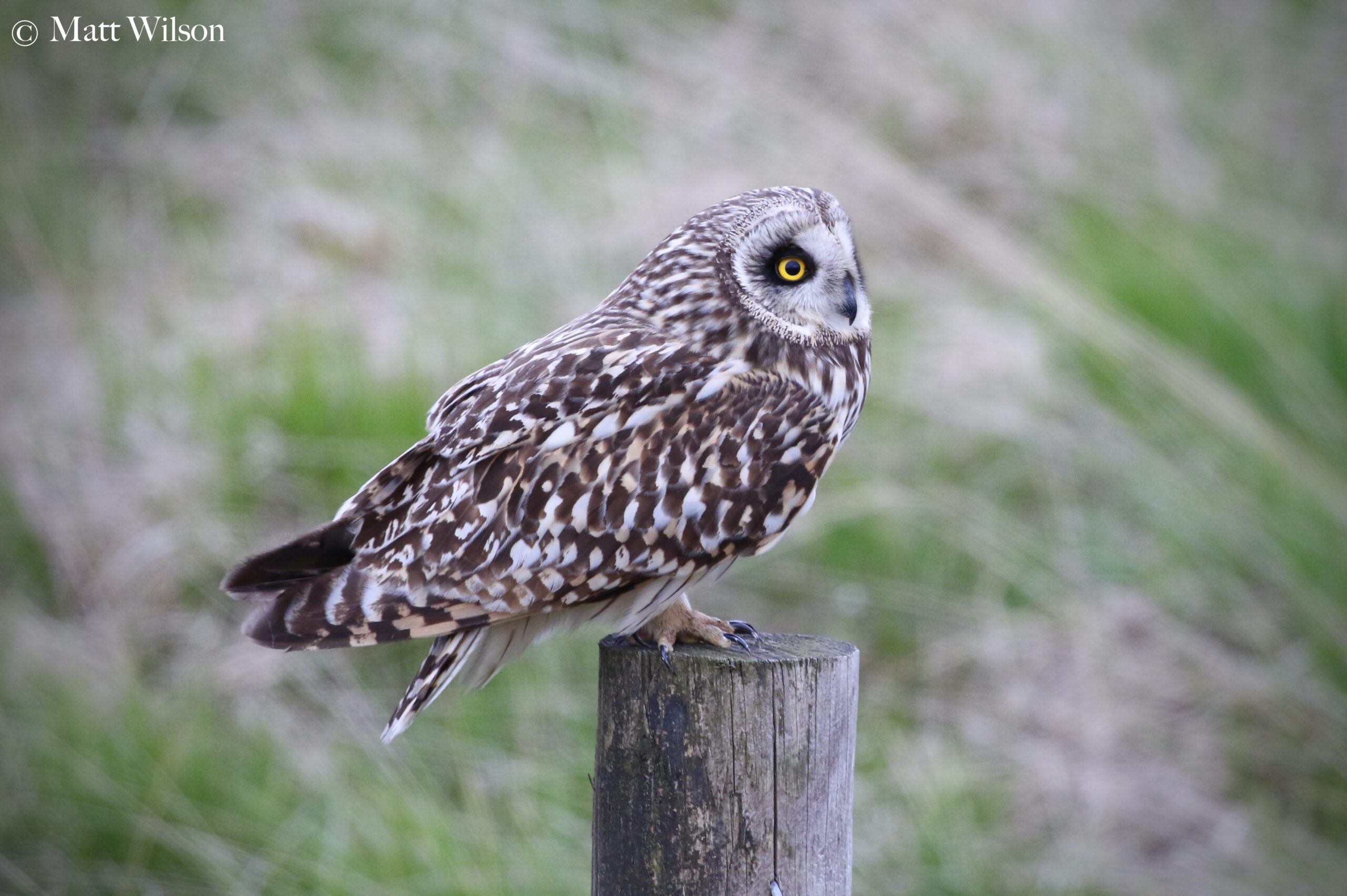
The natural world is a tapestry of predatory prowess and ecological balance, where every thread weaves into a larger, often unseen narrative. Among its most enigmatic weavers are the owls—those silent sentinels of the night, whose presence ripples through ecosystems in ways both profound and unexpected. What if I told you that these feathered hunters don’t just snatch up rodents under the cloak of darkness? What if their influence extends far beyond the obvious, cascading down to shape the very populations of reptiles and amphibians? The question isn’t just intriguing; it’s a doorway into understanding the hidden mechanics of nature’s balance. And as we step through, we’ll uncover a challenge so subtle yet so potent that it could redefine how we perceive these birds of prey.
The Silent Architects of Ecosystem Dynamics
Owls, with their nocturnal habits and piercing gaze, are often celebrated as the apex predators of the night. But their role is far more nuanced than mere hunters. They are, in essence, architects of ecological architecture, their presence dictating the very structure of the communities they inhabit. When an owl takes up residence in a habitat, it doesn’t just consume prey—it reshapes the behavior, distribution, and even the evolution of other species. This phenomenon, known as a top-down effect, occurs when the influence of a predator trickles down through the food web, altering the dynamics of entire ecosystems.
Consider the humble frog or the slithering snake. These creatures, often dismissed as mere prey, are in fact linchpins of their environments. Frogs control insect populations, while snakes regulate rodent numbers. But introduce an owl into the equation, and suddenly, these reptiles and amphibians find themselves in a high-stakes game of survival. The owl’s presence doesn’t just reduce their numbers—it forces them to adapt. Frogs may alter their calling patterns to avoid detection, while snakes might shift their activity to times when owls are less active. This isn’t just survival; it’s a silent revolution, where the very fabric of the ecosystem is rewoven.
The Paradox of Fear: How Dread Shapes Survival
Fear, as it turns out, is a powerful ecological force. The mere perception of a predator can be as influential as its actual presence. This is where the concept of landscape of fear comes into play—a term that describes how prey species alter their behavior based on the perceived risk of predation. Owls, with their eerie calls and shadowy flights, cast a long shadow over their habitats, even when they’re not actively hunting.
For reptiles and amphibians, this fear manifests in subtle yet critical ways. A frog might abandon a prime breeding ground if it senses the presence of an owl, opting instead for a safer, albeit less optimal, location. Snakes may retreat into burrows during the day, missing out on opportunities to hunt or bask. The result? A ripple effect that alters the distribution of prey, the health of vegetation, and even the composition of the soil. It’s a reminder that nature isn’t just about what is eaten—it’s about what is feared.
The Unseen Battle: Competition and Niche Partitioning
But the owl’s influence doesn’t stop at fear. It extends into the realm of competition, where reptiles and amphibians must vie for resources in a world where the rules have suddenly changed. Owls, as generalist predators, don’t discriminate—they’ll hunt whatever is abundant. This creates a paradox: the more an owl preys on a particular species, the more it inadvertently benefits others by reducing competition.
Imagine a wetland teeming with frogs. An owl moves in, and suddenly, the frog population plummets. With fewer frogs to gobble up insects, those insects flourish—leading to an explosion in plant-eating species. Meanwhile, snakes, which might have competed with frogs for food, now find themselves with a buffet of rodents that were previously kept in check by the frogs. It’s a domino effect, where the owl’s presence triggers a cascade of unintended consequences. This is niche partitioning in action, where species carve out new roles in response to the shifting pressures of predation.
The Challenge of Adaptation: Can Reptiles and Amphibians Keep Up?
Yet, this delicate balance is under threat—not from the owls themselves, but from the rapid pace of environmental change. Climate change, habitat destruction, and pollution are altering ecosystems at a speed that outstrips the ability of many species to adapt. For reptiles and amphibians, this is a crisis of survival. Their evolutionary strategies, honed over millennia, are being tested like never before.
Take the case of the common toad. Historically, these amphibians have relied on their ability to detect owl calls and respond with evasive maneuvers. But as urbanization encroaches on their habitats, the once-familiar sounds of the night are drowned out by the cacophony of human activity. Can they adapt quickly enough to a world where the rules of the game are constantly rewritten? The answer isn’t clear. Some species may thrive in the new order, while others will fade into extinction. The owl, in this context, becomes both a catalyst and a cautionary tale—a reminder that even the most resilient ecosystems are fragile in the face of human-induced change.
The Ripple Effect: Beyond the Immediate Predator-Prey Relationship
The impact of owls on reptile and amphibian populations doesn’t exist in a vacuum. It extends far beyond the immediate predator-prey relationship, influencing everything from soil health to water quality. Consider the role of amphibians in nutrient cycling. Frogs and salamanders, by consuming insects and excreting waste, contribute to the fertility of the soil. When owl predation reduces their numbers, the entire nutrient cycle is disrupted. Plants may struggle to grow, insects may overpopulate, and the delicate balance of the ecosystem teeters on the edge of collapse.
Similarly, reptiles like snakes play a crucial role in controlling rodent populations. A decline in snake numbers due to owl predation could lead to an explosion of rodents, which in turn could devastate crops or spread disease. The owl, in this scenario, is both a guardian and a disruptor—a paradox that underscores the complexity of ecological relationships. It’s a reminder that nature doesn’t operate in neat, linear patterns. It’s a web, where every strand is connected, and pulling one can send shockwaves through the entire system.
The Future: A World Without Owls?
What, then, is the future of this intricate dance between owls, reptiles, and amphibians? It’s a question that looms large in an era of biodiversity loss and environmental degradation. If owls were to disappear from an ecosystem, the consequences would be dire. Reptiles and amphibians might initially flourish, but without the regulating force of predation, their populations could spiral out of control. The result? Overgrazing of vegetation, outbreaks of disease, and the eventual collapse of the ecosystem.
Yet, the reverse is also true. If owl populations decline due to habitat loss or pesticide use, the ripple effects could be catastrophic. The delicate balance they maintain would unravel, leaving ecosystems vulnerable to invasion by opportunistic species. The challenge, then, is to recognize the owl’s role not just as a predator, but as a keystone species—one whose presence is essential to the health of the entire community.
The story of owls, reptiles, and amphibians is a testament to the interconnectedness of life. It’s a narrative of fear, adaptation, and resilience, where every creature, no matter how small or seemingly insignificant, plays a part. The next time you hear the haunting call of an owl on a quiet night, remember: you’re not just listening to a bird. You’re hearing the pulse of an ecosystem, a reminder that in nature, every predator is also a guardian—and every prey, a player in a game far bigger than itself.