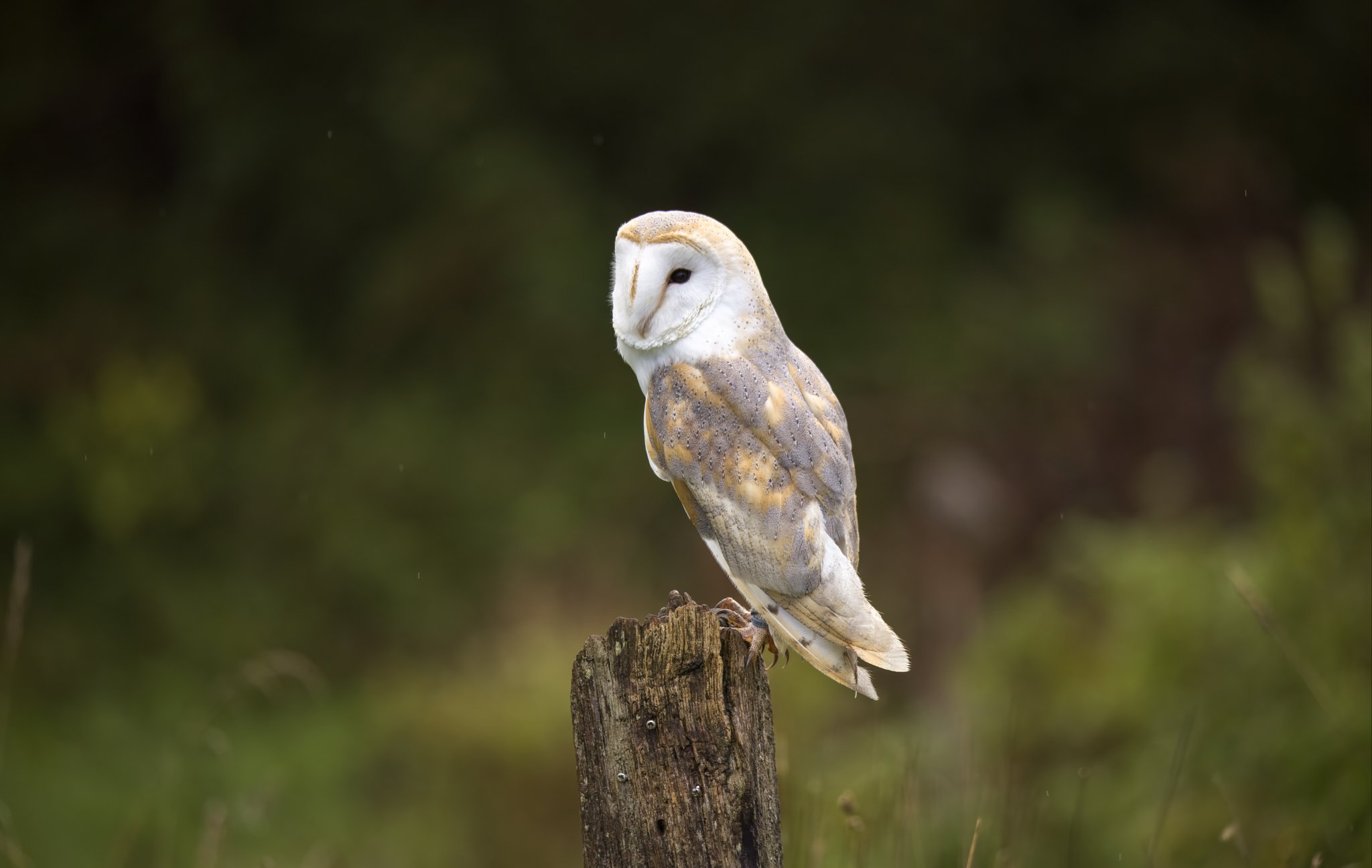
In the hushed twilight of ancient woodlands, where the moon casts dappled shadows through the canopy, a silent sentinel takes flight. The owl, a creature of paradox—both feared and revered—has long been a symbol of wisdom and mystery. Yet, beyond its mythic allure lies a fragile existence, one increasingly threatened by the relentless march of human progress. International agreements, those lofty pacts forged between nations, have emerged as unlikely champions in the battle to safeguard these enigmatic birds. But how effective are these accords in preserving owl populations? And what promises do they hold for a future where humans and owls coexist in harmony?
The Genesis of Global Conservation: From Local Lament to International Pledge
The story of owl conservation is not one of isolated efforts but a tapestry woven from the threads of global cooperation. The 20th century bore witness to a growing awareness of biodiversity loss, a crisis that transcended borders. As owl habitats shrank under the weight of deforestation and urban sprawl, conservationists sounded the alarm. The response? A cascade of international agreements, each designed to stitch together fragmented ecosystems and protect species on the brink.
Key among these is the Convention on Biological Diversity (CBD), adopted in 1992, which laid the groundwork for nations to commit to preserving life in all its forms. For owls, this meant recognizing their ecological roles—keystone predators that regulate prey populations and maintain the balance of their ecosystems. The CBD’s strategic plans, though not species-specific, provided a framework for nations to integrate owl conservation into broader biodiversity strategies. Yet, the devil lies in the details: without enforceable targets, these agreements risked becoming mere paper tigers.
CITES and the Shadow of the Wild: Protecting Owls from the Black Market
Enter the Convention on International Trade in Endangered Species of Wild Fauna and Flora (CITES), a bulwark against the insidious trade in owl specimens. Owls, particularly those with striking plumage or cultural significance, have long been coveted as exotic pets, taxidermy trophies, or even in traditional medicine. CITES, with its three-tiered classification system, has been instrumental in curbing this exploitation. Species like the Blakiston’s fish owl and the Philippine eagle-owl now enjoy protections that make their trafficking a punishable offense across borders.
But enforcement is a beast of another color. Smugglers, ever resourceful, exploit loopholes in legislation or bribe officials to circumvent restrictions. The case of the Eurasian eagle-owl in Europe illustrates this grim reality. Despite CITES listings, illegal trade persists, fueled by demand in the pet industry. Here, international agreements must evolve—integrating real-time monitoring, satellite tracking, and cross-border task forces to dismantle trafficking networks. The promise of CITES lies not in its existence but in its ability to adapt to the cunning of those who would exploit the wild.
Ramsar and the Wetland Havens: A Lifeline for Marsh Owls
Wetlands, those vital yet vanishing ecosystems, are the domain of owls like the short-eared owl and the greater sooty owl. The Ramsar Convention, dedicated to the protection of wetlands, has become a sanctuary for these birds, offering legal safeguards for their habitats. By designating wetlands of international importance, nations commit to preserving these areas from drainage, pollution, and development. For owls, this means secure nesting grounds and abundant prey.
Yet, Ramsar’s effectiveness hinges on political will. In many regions, wetlands are drained for agriculture or urban expansion, often with little regard for their ecological value. The Pantanal in South America, a Ramsar-listed site, is a case in point. Despite its protected status, illegal deforestation and mining encroach upon its borders, threatening the marsh owl populations that depend on its flooded grasslands. Here, international agreements must be paired with grassroots activism, ensuring that local communities become stewards of these lands rather than their exploiters.
The Paris Agreement’s Indirect Boon: Climate Action as Owl Advocacy
At first glance, the Paris Agreement seems an unlikely ally in owl conservation. Yet, climate change is a silent assassin, reshaping habitats faster than owls can adapt. Rising temperatures, shifting precipitation patterns, and extreme weather events disrupt the delicate balance of ecosystems. The boreal owl of North America, for instance, faces dwindling prey as climate change alters the lifecycle of its primary food source, the snowshoe hare.
By committing to emissions reductions and sustainable development, the Paris Agreement indirectly shields owls from the worst effects of climate change. Nations that invest in renewable energy and reforestation not only curb global warming but also preserve the forests and grasslands that owls call home. The promise here is one of interconnectedness—recognizing that saving the planet is not a piecemeal endeavor but a holistic one, where every policy decision reverberates through the food chain.
Regional Alliances: The European Union’s Bold Moves
In Europe, the Birds Directive and the Habitats Directive have set a high bar for owl conservation. These directives mandate the creation of protected areas and the restoration of degraded habitats, offering a lifeline to species like the little owl and the Eurasian pygmy owl. The European Union’s enforcement mechanisms, though not without flaws, provide a model for regional cooperation.
Yet, even within the EU, challenges persist. Agricultural intensification and pesticide use continue to decimate owl populations, particularly in farmlands where the barn owl once thrived. Here, international agreements must be paired with innovative solutions—such as incentivizing organic farming or installing nest boxes—to bridge the gap between policy and practice. The promise of these directives lies in their ability to inspire other regions to adopt similarly robust conservation frameworks.
The Future of Owl Conservation: Beyond Borders and Binaries
The road ahead is fraught with obstacles, but international agreements offer a glimmer of hope. The Global Biodiversity Framework, adopted in 2022, sets ambitious targets for 2030, including the protection of 30% of the planet’s lands and waters. For owls, this could mean the creation of vast, interconnected corridors where they can roam freely. Yet, the framework’s success depends on accountability—nations must be held to their promises, and conservation efforts must be transparent.
There is also a need to rethink our relationship with owls. Indigenous cultures have long revered these birds, seeing in them omens of both fortune and doom. Modern conservation must reclaim this reverence, integrating traditional knowledge with scientific research. The Maya people of Central America, for instance, view the spectacled owl as a guardian of the forest. By centering Indigenous voices in conservation strategies, we can foster a deeper, more holistic connection to these creatures.
The role of international agreements in owl conservation is not merely about saving a species—it is about redefining our place in the natural world. Owls, with their nocturnal gaze and silent flight, remind us that the wild is not a resource to be exploited but a web of life to be cherished. The promises of these agreements are not just legal obligations but moral imperatives, calling us to act with urgency and compassion. The question is no longer whether we can save the owls, but whether we dare to try.