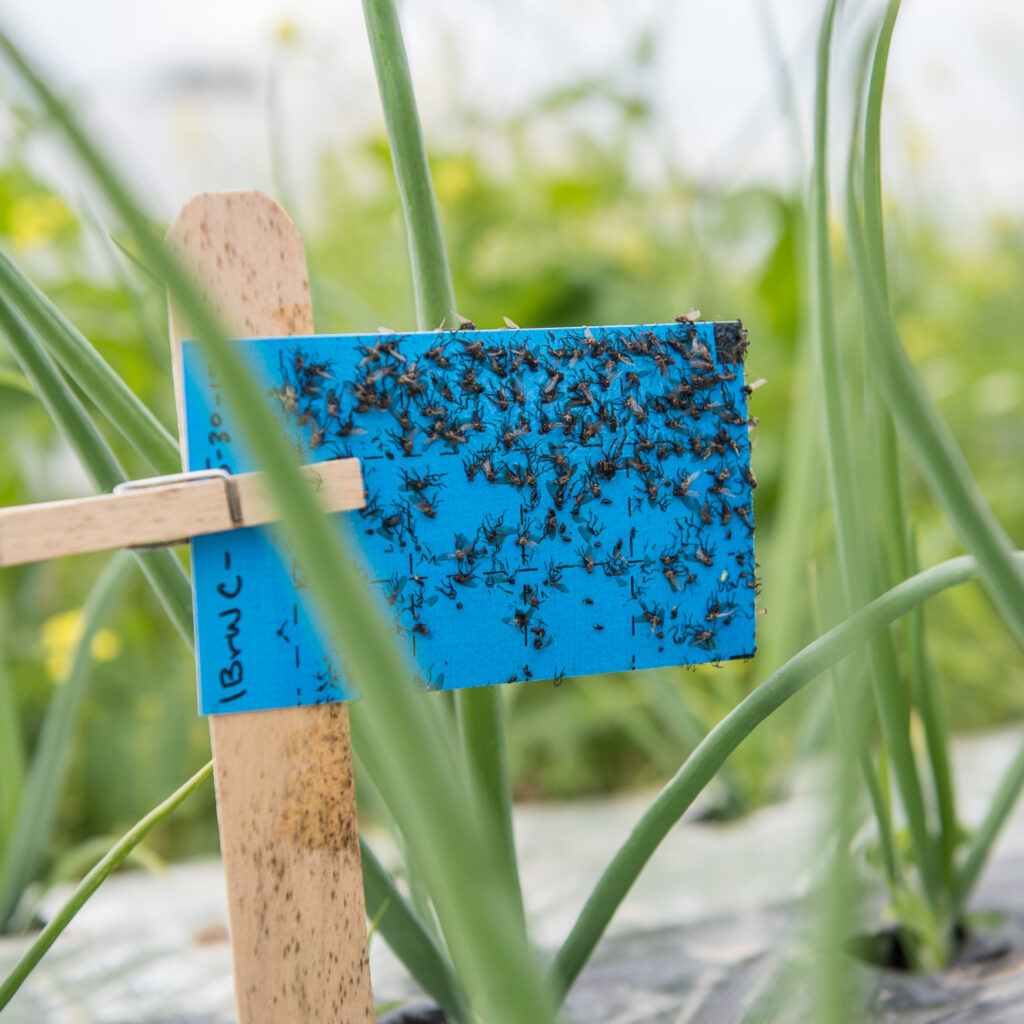
In the vast, sun-drenched fields where the earth breathes with the rhythm of seasons, a silent revolution is unfolding—not with the roar of machinery, nor the hum of synthetic poisons, but with the whisper of wings cutting through the twilight. Farmers, long besieged by the relentless march of pests, are discovering an unlikely ally in the form of owls, those enigmatic sentinels of the night. These feathered guardians do not demand wages, nor do they sulk when the harvest is lean. Instead, they offer a gift as old as time itself: balance. The tale of owls in agriculture is not merely one of pest control; it is a testament to the elegance of nature’s own economy, where every creature, no matter how small or seemingly insignificant, plays a role in the grand symphony of survival.
The Silent Economists of the Night: How Owls Redefine Agricultural Savings
Picture the modern farmer, standing at the precipice of a field teeming with life, yet haunted by the specter of ruin. Pests—those voracious, relentless invaders—can devour a season’s labor in a matter of weeks, leaving behind not just lost crops, but shattered livelihoods. The traditional response has been a costly arms race: pesticides, traps, and labor-intensive interventions that often spiral into a cycle of debt and ecological decay. But what if the solution perched silently in the branches above, waiting for dusk to claim its dominion?
Owls are the unsung accountants of the natural world, their presence alone a ledger of efficiency. A single barn owl, for instance, can consume up to 1,000 rodents in a year—a feat that would otherwise cost a farmer hundreds, if not thousands, in chemical and mechanical pest control. This is not mere predation; it is a bioeconomic exchange, where the owl’s hunger becomes the farmer’s savings. The financial alchemy is staggering: studies have shown that farms employing owl nest boxes report a 50% reduction in rodent damage, translating to tangible gains in yield and profit margins. In an era where every penny counts, these nocturnal accountants offer a dividend that compounds with each passing season.
The Art of the Hunt: Owls as Precision Instruments of Pest Eradication
To witness an owl in pursuit of its prey is to observe a masterclass in lethality and precision. Unlike the indiscriminate sprawl of chemical pesticides, which poison the soil and the waterways, owls are surgical in their approach. Their hunting technique is a ballet of silence and strategy—wings muffled by specialized feathers, talons poised like daggers, eyes that pierce the darkness with unerring focus. A mouse, unaware of the shadow descending, meets its end in an instant, its demise a whisper in the night.
This precision is not merely a marvel of nature; it is a boon to the farmer’s bottom line. Rodents, those prolific breeders, can decimate a field in weeks, their appetites insatiable. But an owl’s diet is not limited to the common rat or mouse. In some regions, owls have been documented preying on insects, snakes, and even other birds that threaten crops. This trophic versatility ensures that the owl’s presence is not just a deterrent but a dynamic force of ecological balance. The farmer, in turn, reaps the rewards of a field that thrives without the collateral damage of broad-spectrum poisons.
The Psychological Edge: Owls as Guardians of Farmer Well-Being
Beyond the tangible savings, there lies an intangible yet invaluable benefit: the psychological relief that comes with knowing one’s labor is protected by nature’s own enforcers. The stress of farming is a silent epidemic, a weight that presses down on shoulders already burdened by uncertainty. Pests are not just a financial threat; they are a psychological one, a gnawing anxiety that lingers long after the sun sets. Owls, with their stoic vigilance, offer a counterbalance to this dread.
There is something deeply reassuring in the presence of these birds. They do not cower in the face of adversity; they meet it head-on, with a quiet confidence that borders on nobility. For the farmer, this can translate into peace of mind—a knowledge that the night is not a time of vulnerability, but of guardianship. The psychological dividends are incalculable: reduced stress, improved sleep, and a renewed sense of harmony with the land. In a profession where burnout is all too common, the owl’s silent watch is a balm for the soul.
The Symbiosis of Tradition and Innovation: Owls in Modern Agriculture
The integration of owls into modern farming practices is not a rejection of progress, but a renaissance of ancient wisdom. Indigenous cultures across the globe have long revered owls as omens of prosperity and protectors of the harvest. Today, this wisdom is being rediscovered and refined through the lens of science. Farmers are erecting nest boxes, installing perches, and even broadcasting owl calls to attract these feathered allies. The result is a fusion of tradition and innovation, a marriage of old-world intuition and cutting-edge ecology.
Consider the case of rice farmers in Southeast Asia, who have long struggled with rodent infestations that threaten their crops. By introducing owl nest boxes, these farmers have not only reduced their reliance on pesticides but also fostered a deeper connection to the land. The owls, in turn, have become a symbol of resilience—a reminder that solutions to modern problems often lie in the past. This symbiosis is a testament to the power of adaptive thinking, where the farmer and the owl become partners in a dance as old as agriculture itself.
The Ripple Effect: How Owls Benefit the Entire Ecosystem
The benefits of owls extend far beyond the boundaries of the farm. As apex predators, they play a crucial role in maintaining the health of entire ecosystems. Their presence can curb the overpopulation of rodents, which in turn reduces the spread of diseases like hantavirus and leptospirosis. Moreover, owls contribute to the fertility of the soil by controlling the populations of insects that would otherwise decimate plant life. This trophic cascade—where the actions of one species reverberate through the food web—is a reminder that nature’s economies are interconnected.
For the farmer, this means more than just saved crops; it means a landscape that thrives in harmony. The soil retains its vitality, the waterways remain unpolluted, and the biodiversity of the region flourishes. In an age where monocultures and chemical dependency have left the land gasping for breath, the owl’s return is a breath of fresh air—a sign that agriculture can be both productive and sustainable.
The Future: A World Where Owls and Farmers Thrive Together
The story of owls in agriculture is still being written, but the outlines are clear: a future where farmers and owls coexist in mutual benefit, where the night is not a time of fear but of partnership. This future is not a distant utopia; it is being forged today in fields across the globe, where nest boxes are erected and owls are welcomed with open arms. The financial savings are undeniable, but the true value lies in the deeper connection to the land—a connection that transcends mere economics and touches the very soul of farming.
As the sun sets and the owls take to the skies, they carry with them a message: that nature’s solutions are not just effective, but elegant. They remind us that the most profound innovations are often the simplest, that the greatest allies are those we least expect. In the quiet rustle of wings and the flicker of golden eyes in the dark, we find not just a method of pest control, but a philosophy of coexistence. And in that philosophy, there is hope—not just for the farmer’s wallet, but for the future of agriculture itself.