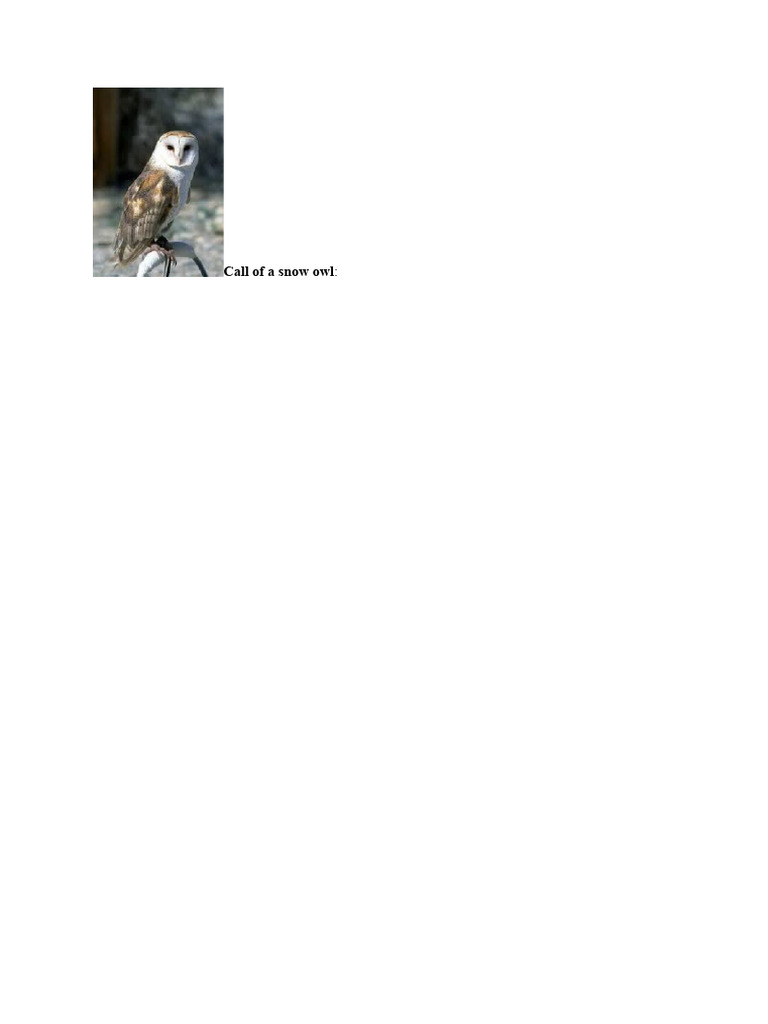
The night unfurls its velvet cloak, and in the hush of twilight, a silent sentinel takes its perch. The owl, that enigmatic harbinger of wisdom and mystery, is far more than a mere feathered philosopher—it is an architect of ecological influence, a shadowy choreographer of predator dynamics. With eyes like twin moons and wings that whisper through the dark, owls do not merely hunt; they orchestrate. Their presence reshapes the behavior of other predators, weaving an intricate tapestry of fear, strategy, and adaptation. To understand this silent revolution is to peer into the heart of nature’s most delicate power struggles.
The Silent Conductor: How Owls Redefine Temporal Niches
Predators are not static entities; they are fluid, responsive, and deeply attuned to the rhythms of their environment. Owls, with their crepuscular and nocturnal dominance, impose a temporal curfew upon the diurnal and crepuscular hunters that share their domain. The mere existence of an owl forces smaller predators—foxes, martens, even domestic cats—to recalibrate their hunting schedules, retreating into the safety of daylight or the concealment of dense undergrowth. This phenomenon, known as temporal partitioning, is not a passive coexistence but an active suppression of competition. Owls, in their silent flight, become the arbiters of time itself, dictating when other predators may prowl and when they must cower.
Consider the red fox, a cunning opportunist that rules the day with impunity. Yet when an owl’s haunting call pierces the dusk, the fox’s confidence wanes. Studies reveal that foxes alter their foraging routes, avoiding open fields where owls patrol. They become creatures of habit not by choice, but by coercion. The owl’s dominion over the night is not just a matter of stealth—it is a reign of terror that reshapes the very fabric of the food web.
The Invisible Web: Owls and the Cascade of Fear
Fear is a silent currency in the wild, and owls are its most potent brokers. Their presence triggers a landscape of fear, a psychological terrain where prey—and by extension, predators—adjust their behaviors to mitigate risk. This ripple effect is profound. When owls hunt, they do not merely consume their targets; they alter the foraging patterns of mesopredators like raccoons and opossums, which in turn influence the behavior of their own prey. The owl’s shadow stretches across the ecosystem, a specter that forces every creature to dance to its rhythm.
Take the humble mouse, a staple in many predators’ diets. Mice, ever vigilant, develop heightened alertness in owl territories, reducing their movement in open areas. This cautiousness, however, has a domino effect: snakes that rely on mice for sustenance must now hunt in more exposed locations, increasing their own vulnerability to larger predators. The owl’s influence, therefore, is not confined to direct predation—it is a domino effect of behavioral shifts, a cascade of caution that reverberates through the food chain.
The Owl’s Paradox: How Their Hunting Style Shapes Competitor Strategies
Owls are not just predators; they are hyper-specialized assassins, wielding silent flight, acute hearing, and a 270-degree field of vision. Their hunting style is a masterclass in efficiency, leaving little room for competitors to exploit the same niche. When an owl stakes its claim on a territory, it does not merely share the space—it monopolizes it. Other nocturnal hunters, such as weasels or genets, must either adapt or retreat. Some, like the long-eared owl, tolerate competition by hunting in slightly different microhabitats, while others, like the tawny owl, aggressively defend their domains, driving out rivals through sheer dominance.
This dynamic is particularly evident in regions where multiple owl species coexist. In the boreal forests of North America, the great horned owl and the barred owl engage in a silent war of attrition, each forcing the other to refine their hunting techniques. The barred owl, for instance, has been observed shifting its diet to include more diurnal prey when great horned owls are present, a testament to the owl’s ability to adapt—or be outcompeted. The owl’s presence does not just shape behavior; it forges an evolutionary crucible where only the most adaptable survive.
The Owl’s Shadow: Indirect Influence on Prey Populations
The owl’s reach extends beyond its immediate competitors—it reshapes the very populations of its prey, which in turn affects the predators that depend on those prey. When owls decimate rodent populations in a given area, the scarcity of food forces larger predators like coyotes or bobcats to expand their hunting grounds or switch to alternative prey. This trophic cascade can lead to unexpected shifts in ecosystem balance. For instance, in some regions, the decline of owl populations has been linked to an increase in snake activity, as the absence of owls allows rodent numbers to rebound, providing a feast for serpentine hunters.
Yet the owl’s influence is not always destructive. In some cases, their presence can stabilize ecosystems by preventing any single prey species from becoming overabundant. By keeping rodent populations in check, owls indirectly protect ground-nesting birds and amphibians from over-predation. The owl, in this sense, is a paradox—a force of both disruption and balance, a predator that both destroys and preserves.
The Owl as Metaphor: Lessons in Power and Adaptation
Beyond the cold calculus of ecology, the owl embodies a profound metaphor for power and adaptation. It is the silent strategist, the unseen architect of change. In human societies, we often glorify the loud, the dominant, the overtly powerful. But the owl teaches us that true influence lies in subtlety, in the ability to shape the world without drawing attention to oneself. It is a lesson in quiet authority, in the power of presence over force.
The owl’s relationship with other predators is a dance—a delicate, ever-shifting waltz of fear and respect. It reminds us that ecosystems are not static but dynamic, that every creature, no matter how small or seemingly insignificant, plays a role in the grand symphony of life. To understand the owl is to understand the fragility and resilience of nature itself.
So the next time you hear the haunting call of an owl piercing the night, listen closely. It is not just a sound—it is a declaration. A reminder that in the shadows, the true architects of the wild are at work.