The spotted owl, a creature of quiet majesty and ecological significance, has long been a symbol of the old-growth forests of the Pacific Northwest. Yet, as deforestation and urban sprawl encroach upon its traditional habitats, a lesser-known sanctuary emerges from the waterlogged embrace of wetlands. These biodiverse ecosystems, often overlooked in favor of towering trees, serve as unexpected refuges for the spotted owl, offering a lifeline in an era of environmental upheaval. The role of wetlands in providing alternative habitats for this iconic species is not merely a footnote in conservation biology—it is a testament to nature’s resilience and adaptability. In this exploration, we delve into the intricate relationship between spotted owls and wetlands, uncovering the ecological, behavioral, and conservation-driven narratives that bind them.
The Ecological Tapestry of Wetlands: A Hidden Biodiversity Hotspot
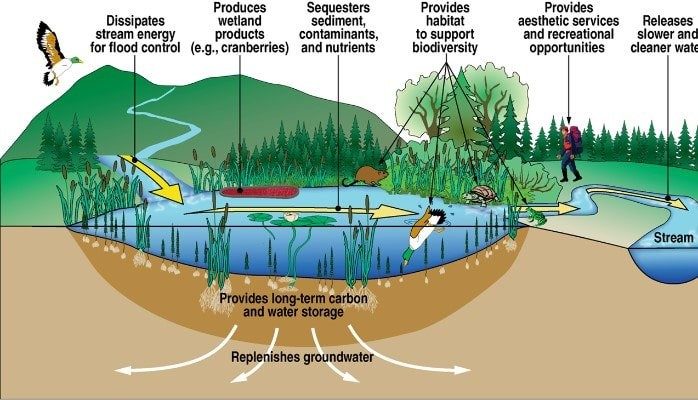
Wetlands are not mere swamps or bogs; they are dynamic, life-sustaining mosaics where water, soil, and vegetation converge in a symphony of interdependence. These ecosystems teem with biodiversity, hosting species from microscopic fungi to apex predators, each playing a role in the grand ecological ballet. For the spotted owl, wetlands offer a paradoxical sanctuary—one where the absence of towering conifers is compensated by the abundance of prey, nesting opportunities, and microclimatic stability. The juxtaposition of open water and dense vegetation creates a mosaic of habitats that can support the owl’s nocturnal hunting and diurnal roosting needs. In regions where old-growth forests have been fragmented, wetlands act as ecological bridges, allowing species to adapt to changing landscapes without abandoning their evolutionary niches.
Spotted Owls in Transition: Behavioral Adaptations to Wetland Life
The transition from forest-dwelling to wetland-adapted life is not one the spotted owl undertakes lightly. Yet, observations reveal a remarkable plasticity in their behavior, as they navigate the labyrinthine waterways and reed beds with surprising agility. Unlike their forest counterparts, which rely on the dense canopy for cover, wetland-dwelling owls exploit the vertical structure of emergent vegetation—cattails, sedges, and willow thickets—to perch and survey their hunting grounds. Their diet, too, undergoes a subtle shift; while arboreal rodents like flying squirrels remain staples, wetland-adapted owls supplement their meals with aquatic prey—fish, frogs, and even crustaceans. This dietary flexibility underscores the owl’s ability to exploit underutilized niches, a trait that may prove crucial in an era of climate change and habitat loss. The spotted owl’s adaptability is not just a survival mechanism; it is a blueprint for resilience in the face of environmental adversity.
Nesting in the Marsh: Unconventional Homes for a Forest Icon
Nesting is the cornerstone of any species’ reproductive success, and for the spotted owl, the traditional cavity within a centuries-old Douglas fir is the gold standard. Yet, in the absence of such arboreal cathedrals, wetlands offer an alternative—one that is both ingenious and unexpected. Spotted owls have been documented nesting in the dense thickets of willow and alder that line wetland edges, as well as in the abandoned nests of other birds, such as herons and ospreys. These unconventional nesting sites, though lacking the grandeur of old-growth trees, provide the essential elements of shelter and seclusion. The elevated platforms of heron nests, for instance, offer a vantage point free from ground-based predators, while the tangled roots of wetland shrubs provide concealment from aerial threats. This adaptability in nesting behavior is a stark reminder that survival often hinges not on the perfection of habitat, but on the ingenuity of the species that inhabit it.
The Hydrological Advantage: Wetlands as Climate Refuges
Climate change is reshaping ecosystems at an unprecedented pace, and the spotted owl is not immune to its effects. Rising temperatures, prolonged droughts, and increased wildfire frequency threaten the stability of old-growth forests, pushing species toward the fringes of their range. Wetlands, however, offer a hydrological advantage—a buffer against the extremes of climate variability. The waterlogged soils of wetlands moderate temperature fluctuations, providing a cooler, more stable microclimate during heatwaves. Additionally, the presence of water ensures a steady supply of prey, even in times of drought, when terrestrial ecosystems may falter. For spotted owls, wetlands are not just alternative habitats; they are climate refuges, offering a lifeline in an increasingly unpredictable world. The recognition of wetlands as critical climate adaptation tools underscores the need for their protection and restoration, not just for the owls, but for the myriad species that depend on these watery realms.
Conservation Imperatives: Protecting Wetlands for Spotted Owls and Beyond
The plight of the spotted owl is inextricably linked to the health of its habitats, and wetlands are no exception. Conservation efforts must expand beyond the traditional focus on old-growth forests to include these waterlogged ecosystems, which are often undervalued in land-use planning. Protecting wetlands for spotted owls means safeguarding not only the owls themselves but also the intricate web of species that sustain them. This includes managing invasive species that threaten wetland integrity, restoring degraded habitats, and ensuring that water management policies prioritize ecological function over exploitation. Collaborative approaches, involving indigenous communities, scientists, and policymakers, are essential to developing holistic conservation strategies. The spotted owl’s survival in wetlands is not just a matter of chance; it is a testament to the power of proactive conservation and the recognition that every ecosystem, no matter how humble, plays a vital role in the tapestry of life.
Cultural and Symbolic Resonance: The Owl and the Marsh
Beyond their ecological and conservation significance, wetlands and spotted owls hold deep cultural and symbolic meaning. Indigenous cultures across the Pacific Northwest have long revered the spotted owl as a guardian of wisdom and a harbinger of change. Similarly, wetlands have been celebrated as sacred spaces, where water and land intertwine to create life. The pairing of these two symbols—one of the forest, the other of the marsh—challenges our traditional narratives of habitat and adaptation. It invites us to reconsider the boundaries we impose on nature and to recognize that resilience often lies in the most unexpected places. The spotted owl’s presence in wetlands is not a deviation from its essence but a redefinition of it—a reminder that survival is not about clinging to the familiar, but about embracing the possibilities of the unknown.
A Call to Action: Wetlands as the Unsung Heroes of Biodiversity
The story of the spotted owl in wetlands is one of quiet triumph—a narrative of adaptation, resilience, and hope. It is a story that challenges us to look beyond the obvious, to see the value in the overlooked, and to act with urgency in the face of environmental degradation. Wetlands are not just alternative habitats; they are lifelines, ecological powerhouses, and symbols of nature’s unyielding capacity to thrive. As we confront the dual crises of biodiversity loss and climate change, the role of wetlands in supporting species like the spotted owl cannot be overstated. It is time to elevate these watery realms from the periphery of conservation to the forefront of our efforts. The spotted owl’s journey into the marshes is a call to action—not just for the owls, but for all of us who recognize that the future of biodiversity depends on the choices we make today. Let us heed this call, and in doing so, honor the intricate dance of life that unfolds in every drop of water and every rustle of reeds.