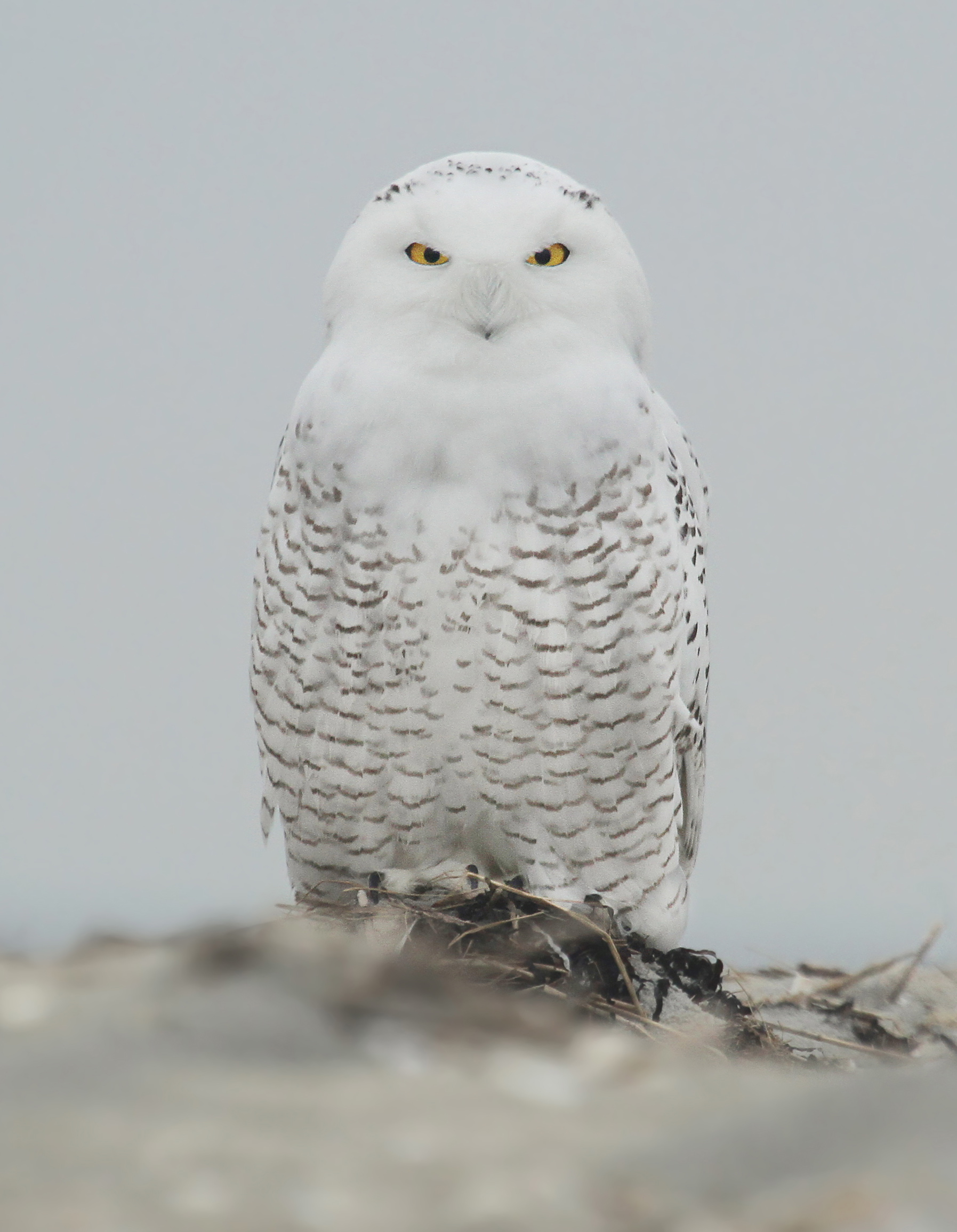
The Arctic, a realm of stark, unyielding beauty, is undergoing a transformation as relentless as the winter winds that carve its icy face. Once a sanctuary for the Arctic Snowy Owl, this frozen expanse is now scarred by the encroachment of human ambition. The snowy owl, a creature of ethereal grace and silent prowess, finds its domain shrinking beneath the weight of industrial progress. The impact of Arctic infrastructure development on these habitats is not merely a matter of ecological concern—it is a tragedy written in the language of displacement, fragmentation, and loss. To understand this crisis is to peer into a mirror held up to our own unchecked desires, where the Arctic’s icy heart beats slower with each passing year.
The Arctic as a Canvas of Fragility
The Arctic is not merely a place; it is a living tapestry woven with threads of ice, permafrost, and the delicate balance of life that thrives in its extremes. The snowy owl, a master of this harsh environment, is a creature of paradox—both a symbol of endurance and a barometer of ecological fragility. Its white plumage, a camouflage against the endless snow, is a testament to nature’s ingenuity, a silent adaptation honed over millennia. Yet, this very adaptation is now under siege. The Arctic’s infrastructure, from oil rigs to shipping lanes, carves through its frozen heart, disrupting the rhythms that have sustained life here for generations. The owl’s habitat is not just a physical space; it is a symphony of silence, where every gust of wind and every shift of the ice plays a part. When that symphony is silenced by the roar of machinery, the Arctic loses not just a species, but a voice in the chorus of life.
The Machinery of Displacement
Infrastructure development in the Arctic is not a gentle encroachment—it is an invasive force, a juggernaut that reshapes the land with little regard for the lives it displaces. The snowy owl, a creature of vast territories, finds its hunting grounds fragmented by roads, pipelines, and drilling sites. These man-made barriers sever the invisible threads that connect the owl to its prey, forcing it into a dance of survival where every step is a gamble. The owl’s silent flight, once a stealthy advantage, becomes a liability in a world where the air is thick with the hum of engines. The Arctic’s silence, a sanctuary for the owl, is drowned out by the cacophony of progress, leaving the bird stranded in a landscape that no longer recognizes it.
Consider the irony: the very infrastructure that fuels our modern lives is erasing the very creatures that have thrived in these conditions for eons. The snowy owl, a symbol of resilience, is now a refugee in its own home, its wings clipped by the weight of human ambition. The Arctic’s infrastructure is not just a physical presence—it is a psychological one, a constant reminder that the owl’s world is no longer its own.
The Permafrost’s Betrayal
Permafrost, the frozen ground that has held the Arctic in a vice-like grip for millennia, is now thawing under the heat of our collective actions. This thaw is not a gentle melting—it is a violent unraveling, a betrayal of the land that has sustained the snowy owl for generations. As the permafrost melts, the delicate balance of the ecosystem is disrupted, altering the prey populations that the owl depends on. Lemmings, the owl’s primary food source, face their own crises as their habitats shift and shrink. The owl, already struggling to adapt to a rapidly changing landscape, now finds itself caught in a web of interconnected collapses. The permafrost’s betrayal is not just a loss of ground—it is a loss of identity, a severing of the ties that bind the owl to its ancestral home.
The Arctic’s infrastructure accelerates this thaw, its heat and vibrations disturbing the frozen depths. The owl’s world is not just shrinking—it is dissolving, leaving behind a landscape that is unrecognizable and unforgiving. The permafrost, once a steadfast ally, has become a traitor, and the snowy owl is left to navigate a world that no longer makes sense.
The Shadow of Industrialization
Industrialization casts a long shadow over the Arctic, a shadow that stretches far beyond the physical structures that mar its surface. The snowy owl, a creature of the light, finds itself enveloped in this darkness, its world reduced to the margins of a landscape dominated by human enterprise. The owl’s white plumage, once a beacon of purity in the endless snow, is now a stark contrast to the blackened scars of industry. The Arctic’s infrastructure is not just a physical presence—it is a psychological one, a constant reminder that the owl’s world is no longer its own.
The owl’s silence, once a virtue, is now a vulnerability. The Arctic’s industrial roar drowns out the whispers of the wind, the creaks of the ice, the silent language of the land. The owl, a creature of quiet dignity, is forced to adapt or perish. But adaptation is not always possible in a world that moves at the speed of human greed. The owl’s silence is not a choice—it is a surrender to forces beyond its control.
The Unseen Costs of Progress
The impact of Arctic infrastructure development on snowy owl habitats is not just a matter of ecological loss—it is a moral reckoning. The owl’s decline is a symptom of a larger disease, a disease that prioritizes short-term gain over long-term survival. The Arctic, once a symbol of untouched wilderness, is now a battleground where the forces of progress clash with the forces of nature. The snowy owl, a creature of ancient lineage, is caught in the crossfire, its fate a casualty of our relentless pursuit of growth.
The unseen costs of progress are not just environmental—they are existential. The Arctic’s infrastructure development is not just erasing habitats; it is erasing stories, traditions, and the very essence of what it means to be a part of this fragile world. The snowy owl, a creature of myth and legend, is reduced to a footnote in the grand narrative of human achievement. Its decline is a warning, a stark reminder that progress without conscience is not progress at all—it is destruction.
The Call to Reckoning
The Arctic’s plight is a call to reckoning, a moment to pause and reflect on the true cost of our actions. The snowy owl, a creature of silent strength, embodies the resilience of nature in the face of adversity. Its struggle is a mirror held up to our own, a reflection of the choices we make and the worlds we leave behind. The Arctic’s infrastructure development is not inevitable—it is a choice, and with every choice comes a responsibility. The snowy owl’s fate is not sealed; it is a challenge, a challenge to rethink our relationship with the natural world and to demand a future where progress does not come at the expense of life itself.
The Arctic’s silence is not a void—it is a plea, a whisper in the wind that demands to be heard. The snowy owl, a creature of the frozen north, is not just a symbol of endurance—it is a reminder of what we stand to lose if we continue on this path. The time for reckoning is now, before the Arctic’s symphony of silence is silenced forever.