The Arctic is not a static, frozen wasteland—it is a living, breathing ecosystem undergoing a transformation so profound that it is rewriting the rules of survival for its inhabitants. Among its most iconic predators, the snowy owl, once a master of the tundra’s endless white expanse, now finds itself navigating a landscape that is increasingly verdant, increasingly unpredictable. This shift, known as Arctic greening, is not merely a backdrop to the owl’s hunting grounds; it is a catalyst, reshaping the very fabric of its existence. What happens when the hunter becomes the hunted in a world where the snow no longer falls as it once did? The answer lies not in the stark contrasts of black and white, but in the subtle hues of green that are quietly altering the Arctic’s ecological narrative.
The Arctic’s Vanishing Canvas: When Snow Gives Way to Green
The Arctic is greening. This is not a metaphor. It is a measurable, accelerating phenomenon driven by rising temperatures, which have lengthened growing seasons and expanded the range of shrubs and grasses across the tundra. For centuries, the snowy owl relied on a landscape where snow and ice dominated, where the monochrome palette of winter provided both camouflage and a hunting ground optimized for ambush. But as the permafrost thaws and vegetation encroaches, the once-pristine canvas of the Arctic is splintered by patches of green—willows, birches, and sedges that disrupt the owl’s traditional hunting strategies. The owl’s white plumage, once an advantage, now stands out against the encroaching greenery, a stark reminder of how swiftly the rules of engagement are changing.
The Snowy Owl’s Dilemma: Adaptation or Extinction?
Adaptation is the currency of survival, and the snowy owl is being forced to spend it at an unprecedented rate. Where once it could rely on the stillness of the Arctic winter to locate prey beneath the snow, it now contends with a landscape that is noisier, more fragmented. The lemmings and voles it once hunted with precision are now harder to detect, their movements obscured by the thickening underbrush. Some owls have begun to alter their hunting grounds, venturing into areas where shrubs offer new opportunities for ambush. Others, however, struggle to keep pace. The Arctic greening is not just a physical shift—it is a psychological one, a test of whether an animal evolved for a world of ice can recalibrate its instincts for a world of green.
The Unseen Consequences: How Greening Alters Prey Behavior
The impact of Arctic greening extends beyond the snowy owl’s hunting grounds—it reshapes the behavior of its prey. Lemmings, those small, cyclical rodents that form the backbone of the owl’s diet, are now faced with a paradox: the same vegetation that provides them with food also exposes them to greater predation. As shrubs grow taller and denser, lemmings find themselves navigating a labyrinth of stems and leaves, where their once-silent movements are now betrayed by rustling. The owl, in turn, must adjust its tactics, trading the art of silent descent for a more opportunistic approach. This ripple effect—where the greening of the Arctic alters the behavior of its smallest inhabitants—demonstrates how deeply interconnected the ecosystem has become. A shift in one corner of the tundra reverberates through the entire food web.
The Silent Competition: New Players in the Arctic’s Hunting Grounds
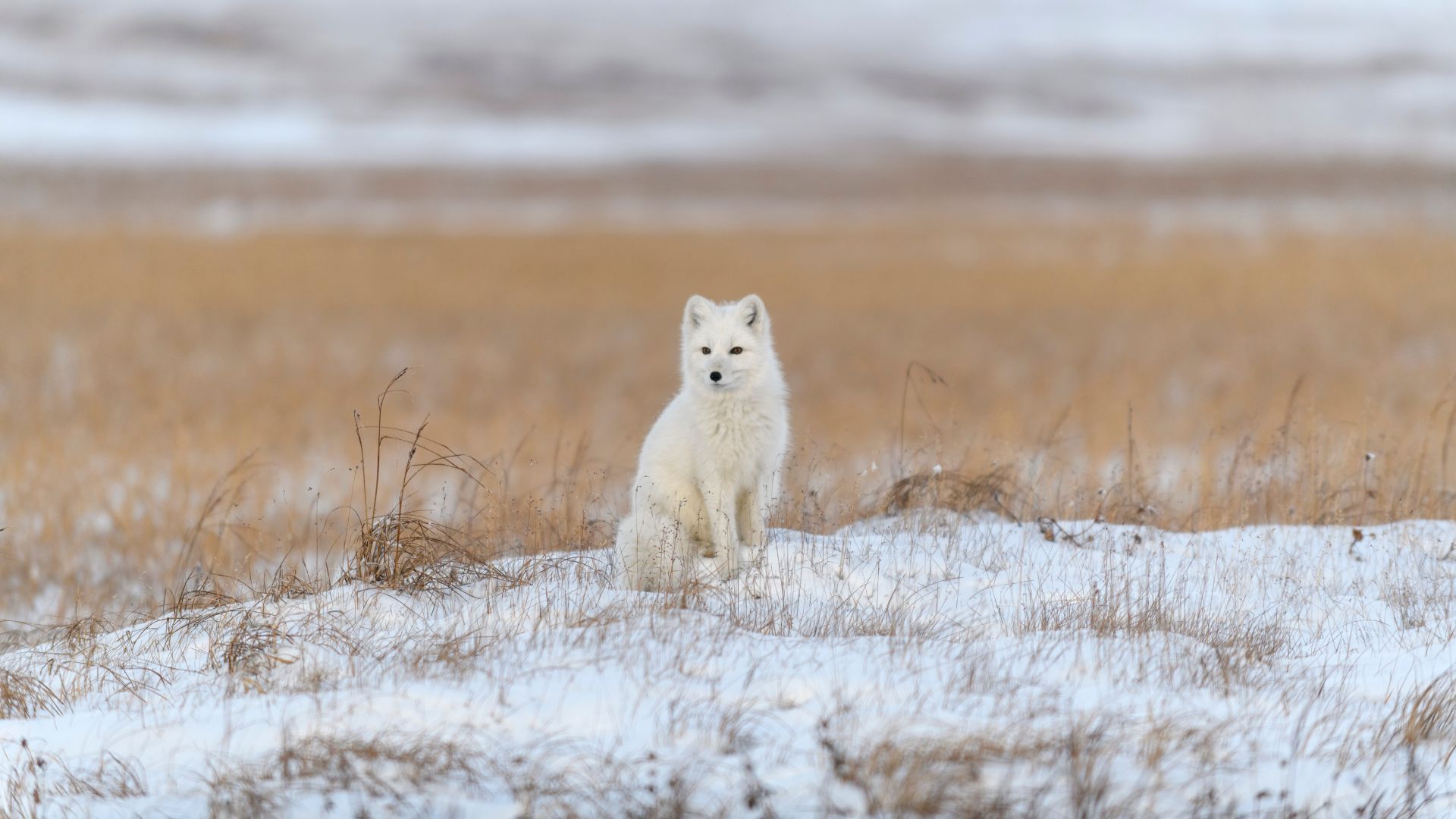
The snowy owl is not the only predator facing the challenges of a greening Arctic. As the tundra becomes more hospitable to a wider range of species, competition for prey intensifies. Arctic foxes, once content with scavenging the owl’s leftovers, now find themselves sharing the same hunting grounds. Ravens, too, have expanded their range, their intelligence and adaptability making them formidable rivals. The owl, once the undisputed apex predator of the tundra, must now contend with these newcomers, each vying for the same diminishing resources. This silent competition is a reminder that the Arctic is not a static domain but a dynamic battleground, where survival is not guaranteed but earned through relentless adaptation.
The Human Factor: How Climate Change Accelerates the Greening
To understand the snowy owl’s plight, one must look beyond the immediate landscape and acknowledge the role of human activity in accelerating Arctic greening. The burning of fossil fuels, the clearing of forests, and the warming of the planet are not abstract concepts—they are the driving forces behind the transformation of the tundra. The snowy owl, a creature of the wild, has become an unwitting symbol of the Anthropocene, a living testament to the consequences of unchecked environmental change. Its struggle is not just an ecological one; it is a moral reckoning. The greening of the Arctic is not a natural evolution—it is a forced adaptation, a response to humanity’s relentless pursuit of progress at the expense of the natural world.
The Future of the Snowy Owl: A Species at the Crossroads
The snowy owl stands at a crossroads, its fate hanging in the balance between adaptation and decline. Some populations may thrive in the new Arctic, their numbers bolstered by the availability of alternative prey or the expansion of their hunting grounds. Others may falter, unable to keep pace with the rapid changes unfolding around them. The question is not whether the snowy owl can survive, but how it will survive—and what that survival will cost. Will it become a relic of a bygone era, a creature of the past clinging to a world that no longer exists? Or will it evolve, its instincts sharpened by the challenges of a greening Arctic, its legacy rewritten in the language of resilience?
The Broader Implications: What the Snowy Owl’s Struggle Tells Us
The snowy owl’s story is not just about one species—it is about the fragility of ecosystems and the interconnectedness of life. It is a reminder that climate change is not a distant threat but a present reality, reshaping the world in ways both subtle and profound. The greening of the Arctic is a warning, a signal that the natural world is in flux, and that the consequences of our actions are far-reaching. It challenges us to rethink our relationship with the planet, to recognize that the fate of the snowy owl is intertwined with our own. The Arctic is not just a barometer of climate change—it is a mirror, reflecting the choices we make and the world we leave behind.