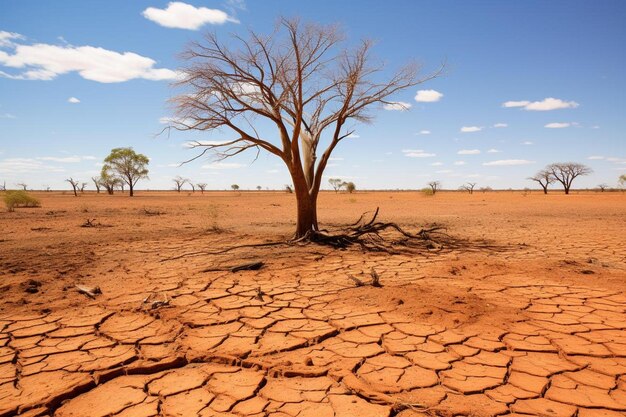
The relentless march of desertification is not merely a story of shifting sands and vanishing oases—it is a silent catastrophe reshaping ecosystems, one talon at a time. As arid regions expand, their most enigmatic inhabitants, the owls, face an existential reckoning. These nocturnal sentinels, with their piercing gaze and silent flight, are far more than mere predators; they are barometers of ecological health, their decline a harbinger of broader collapse. In the crucible of climate change, desertification strips away the delicate balance of these habitats, leaving owls to navigate a landscape that is increasingly hostile, fragmented, and bereft of the resources they once relied upon. This is not just a tale of survival—it is a chronicle of resilience, adaptation, and the unyielding spirit of nature in the face of adversity.
The Silent Erosion: How Desertification Alters Owl Habitats
The transformation of once-fertile lands into barren expanses is a slow violence, a creeping erosion that begins with the loss of vegetation. For owls, whose survival hinges on the presence of prey and nesting sites, this degradation is catastrophic. In arid regions, the scarcity of water and the dwindling of plant life trigger a domino effect: insects and small mammals, the primary sustenance for many owl species, dwindle in number. The burrowing owls, for instance, rely on the soft earth of grasslands to excavate their nests. As desertification hardens the soil and reduces plant cover, these owls are forced to abandon their ancestral homes, leaving them vulnerable to predators and extreme temperatures. The Great Horned Owl, a resilient generalist, may adapt by shifting its hunting grounds, but even its adaptability is tested as prey populations collapse under the weight of habitat loss.
The Prey Paradox: A Dwindling Buffet for Night Hunters
Owls are apex predators in their nocturnal domain, yet their reign is precarious when the base of the food pyramid crumbles. Desertification disrupts the intricate web of life that sustains these birds. Rodents, lizards, and insects—each a vital link in the chain—suffer as their own habitats shrink. The Burrowing Owl, a species emblematic of the American West, faces a grim reality: as prairie dogs, its primary prey, decline due to habitat destruction, the owls are left to scavenge on the fringes of survival. Even the Snowy Owl, a wanderer of the Arctic tundra, finds its migratory routes disrupted as desertification encroaches upon the edges of its range. The result is a paradox: these birds, once masters of their domain, now find themselves in a relentless struggle to secure even a meager meal.
Nesting in the Crosshairs: The Battle for Safe Havens
The loss of nesting sites is another silent killer, one that strikes at the heart of owl reproduction. Many species, such as the Elf Owl, depend on saguaro cacti or abandoned woodpecker holes for shelter. As desertification dries up these natural cavities and reduces the availability of suitable nesting grounds, owls are forced into desperate measures. Some may resort to nesting in man-made structures, while others simply fail to breed altogether. The Spotted Owl, already a species of conservation concern, faces an additional threat as its old-growth forest habitats are replaced by desert-like conditions. The scarcity of nesting sites not only reduces owl populations but also fragments their genetic diversity, leaving them more vulnerable to disease and inbreeding.
The Thermoregulation Trap: Extreme Heat and the Owl’s Plight
Desertification doesn’t just starve owls—it cooks them. Rising temperatures and prolonged droughts create a thermoregulation trap, where these birds, adapted to cooler nights, are pushed to their physiological limits. Owls, like all birds, regulate their body temperature through behavior and physiology. Yet in a landscape where shade is scarce and water is nonexistent, they are forced to expend precious energy seeking relief. The Barn Owl, a species known for its adaptability, may retreat to underground burrows during the day, but as desertification deepens, even these sanctuaries become inhospitable. The result is a cycle of stress: less energy for hunting, fewer opportunities to breed, and a body pushed to the brink of exhaustion.
Migration and the Vanishing Corridors
For migratory owl species, desertification is a double-edged sword. The journey itself becomes perilous as traditional stopover sites dry up, forcing birds to undertake longer, more arduous flights. The Short-eared Owl, a nomadic hunter, may find its migratory routes blocked by encroaching deserts, leaving it stranded in unfamiliar terrain. Even resident species are not spared; as their habitats shrink, they are forced into smaller ranges, increasing competition and reducing genetic flow. The fragmentation of landscapes creates ecological islands, where isolated owl populations become susceptible to local extinctions. Without corridors to connect these fragments, the future of these birds hangs by a thread.
The Domino Effect: Cascading Consequences for Ecosystems
The decline of owl populations is not an isolated tragedy—it is a symptom of a larger unraveling. Owls are keystone species, their presence regulating prey populations and maintaining the balance of their ecosystems. When owls disappear, rodent populations can explode, leading to overgrazing and further degradation of the land. The loss of these nocturnal hunters also disrupts the food web, affecting other predators and scavengers that depend on the same prey. In the Sonoran Desert, for example, the decline of the Elf Owl has been linked to an increase in insect outbreaks, which in turn accelerates desertification. This cascade of consequences underscores the interconnectedness of life—what begins as a threat to owls quickly spirals into a crisis for the entire ecosystem.
Adaptation or Extinction: The Owl’s Dilemma
Yet, in the face of such adversity, some owls are defying expectations. The Little Owl, a species native to Europe and Asia, has shown remarkable adaptability, thriving in agricultural landscapes where traditional habitats have been lost. Similarly, the Eastern Screech-Owl has been observed nesting in urban areas, a testament to its resilience. These examples offer a glimmer of hope, suggesting that some species may evolve to meet the challenges of a changing world. However, adaptation is not a universal solution. For many owls, the pace of desertification outstrips their ability to adjust, leaving them trapped in a cycle of decline. The question remains: can these birds adapt fast enough to survive, or are we witnessing the slow fade of a species that has ruled the night for millennia?
What Can Be Done? Conservation in a Changing World
The fate of owls in desertifying regions is not sealed. Conservation efforts must be as dynamic as the landscapes they seek to protect. Reforestation and habitat restoration can provide critical refuges, while artificial nest boxes offer a temporary solution for species struggling to find suitable nesting sites. Water management and the creation of artificial oases can sustain prey populations, giving owls a fighting chance. But these measures must be part of a broader strategy—one that addresses the root causes of desertification, from unsustainable land use to the global climate crisis. Community engagement is also vital; local knowledge and stewardship can bridge the gap between scientific intervention and on-the-ground action. The survival of owls depends on our willingness to act, not just as conservationists, but as stewards of a planet in peril.
The story of owls in a desertifying world is a mirror held up to humanity’s own struggles. It is a tale of loss, but also of resilience—a reminder that even in the face of irreversible change, life finds a way. Yet this is not a story we can afford to romanticize. The decline of these birds is a warning, a call to action before the silence of the night becomes permanent. The owls are speaking. Are we listening?