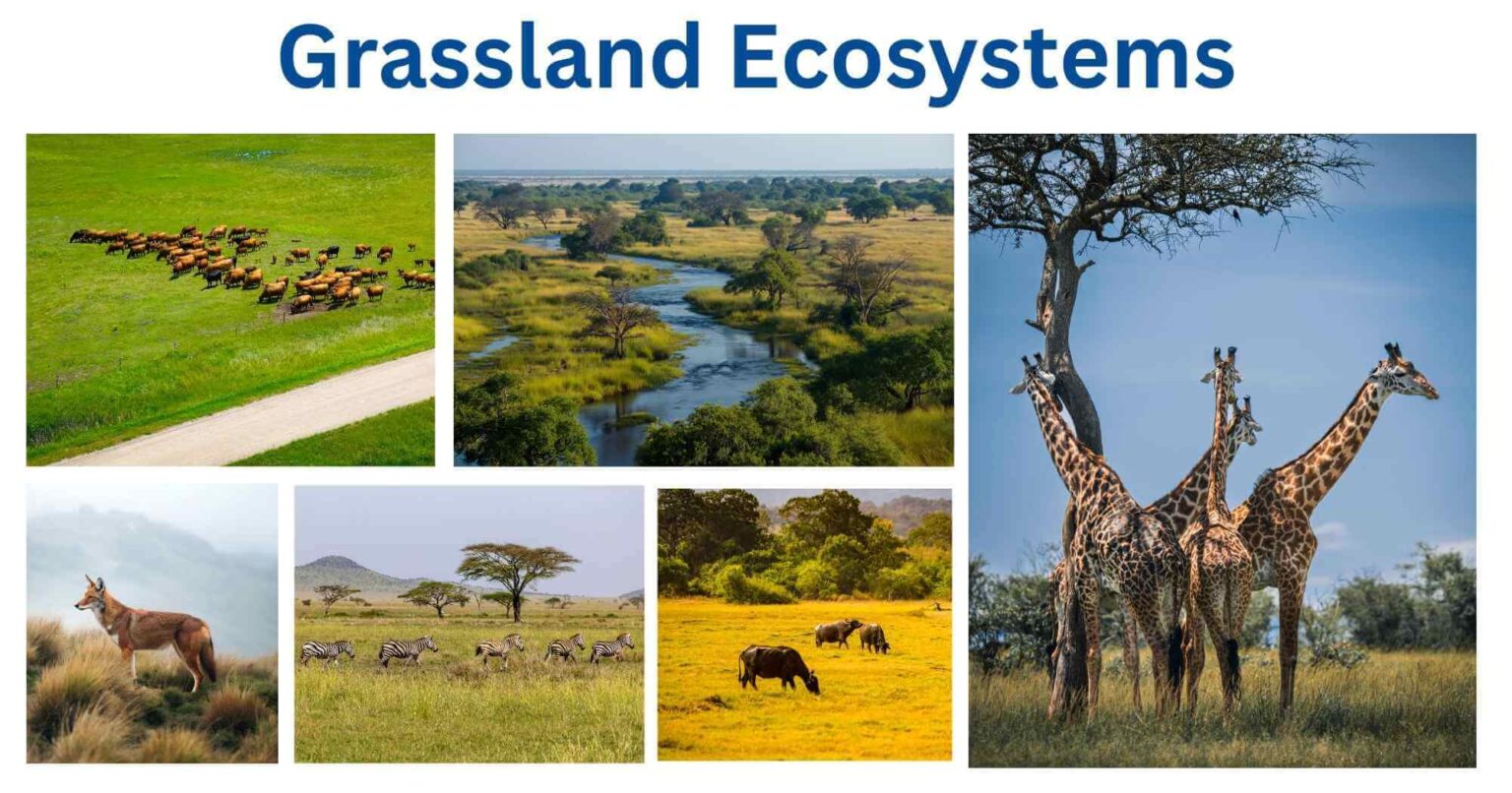
Have you ever stood in the heart of a grassland at dusk, where the wind hums through the tall blades and the earth exhales the warmth of the day? As the sun dips below the horizon, painting the sky in hues of amber and violet, a silent shadow begins its nightly patrol. Who is this stealthy sentinel of the plains, this winged guardian that rules the twilight with an iron talon and a gaze that pierces the dark? Meet the owl—nature’s most enigmatic predator, a creature of paradox, both feared and revered, whose presence in grassland ecosystems is nothing short of a biological masterstroke.
The Silent Hunters: Masters of Nocturnal Precision
Owls are not mere birds; they are living instruments of precision, finely tuned by evolution to dominate the night. Their silent flight, a marvel of aerodynamic engineering, allows them to glide through the air without so much as a whisper. This acoustic stealth is achieved through specialized feather structures that muffle sound, turning them into ghostly apparitions in the moonlight. Their keen eyes, fixed in a forward-facing gaze, grant them binocular vision—depth perception so acute it rivals that of a human using binoculars. But here lies a playful conundrum: how does an owl, with eyes locked onto its prey, manage to fly without crashing into the very branches it perches upon? The answer lies in their extraordinary spatial memory and an uncanny ability to navigate using sound, a skill so refined it borders on the supernatural.
The Grassland’s Invisible Regulators: Owls as Keystone Predators
In the sprawling tapestry of grassland ecosystems, where grasses sway like a sea and burrowing creatures scurry beneath the surface, owls play a role far grander than mere hunters. They are the invisible regulators, the silent architects of balance. By preying on rodents, insects, and even smaller birds, they prevent overpopulation that could otherwise decimate plant life and disrupt the delicate equilibrium of the plains. Consider the prairie dog—a social, burrow-dwelling rodent whose colonies can expand unchecked without natural predators. Left unchecked, these rodents would strip the land bare, turning fertile grasslands into barren wastelands. Enter the owl, the grassland’s unsung hero, whose presence ensures that no single species monopolizes the resources. This ecological dance is a testament to nature’s ingenuity, where every player, no matter how small, holds a thread in the grand tapestry of life.
The Owl’s Arsenal: Talons, Beak, and Instinct
To understand the owl’s dominance, one must examine its arsenal. Those curved talons, sharp as daggers, are not merely for show—they are instruments of instant immobilization, capable of crushing the spine of a rodent in a single, lethal grip. The beak, hooked and powerful, serves as a precision tool for dispatching prey with surgical efficiency. But the true magic lies in the owl’s hunting strategy. Unlike diurnal predators that rely on speed or strength, owls are ambush artists. They perch motionless, blending into the landscape like a piece of bark or a gnarled root, until the perfect moment arrives. Then, with a silent swoop, they strike. This method demands patience, a virtue owls possess in abundance. It also raises a tantalizing question: how do owls resist the temptation to pounce at every rustle in the grass, every flicker of movement? The answer lies in their extraordinary hearing, which allows them to pinpoint prey with the accuracy of a sniper, filtering out the noise of the wind and the chatter of insects to focus solely on the telltale sounds of life beneath the soil.
The Grassland’s Night Symphony: Owls and the Acoustic Landscape
The grassland at night is not silent—it is a symphony of whispers, a cacophony of clicks, chirps, and rustles. Owls are not just participants in this nocturnal orchestra; they are its conductors. Their calls, a haunting blend of hoots, screeches, and trills, serve multiple purposes. To potential mates, they are love songs, a serenade that echoes across the plains. To rivals, they are warnings, a declaration of territory that brooks no trespass. And to prey, they are the harbingers of doom, a sound so ominous it sends shivers down the spines of even the most resilient rodents. But here’s the twist: not all owl calls are what they seem. Some species mimic the sounds of other animals, a cunning tactic to lure unsuspecting prey into the open. Imagine a mouse, lured by the distress call of a fellow rodent, only to find itself face-to-face with a hungry owl. This deceptive prowess adds another layer to the owl’s already formidable reputation, proving that in the grasslands, nothing is ever as it appears.
Challenges on the Wing: Threats to the Owl’s Reign
Yet, for all their prowess, owls are not invincible. The grasslands, once vast and untamed, are now fragmented by human encroachment—farmlands, roads, and urban sprawl carve through their habitats like a knife through silk. Pesticides, those silent assassins, accumulate in the food chain, poisoning the very prey owls depend on. Climate change, with its erratic weather patterns, disrupts the delicate balance of ecosystems, leaving owls struggling to adapt. Even the owl’s nocturnal lifestyle, once an advantage, now poses a threat as artificial lights from human settlements disorient their hunting patterns. The challenge is clear: how can we, as stewards of the earth, ensure that these magnificent predators continue to patrol the plains? The answer lies in conservation efforts that protect not just the owls themselves, but the entire web of life they support. It is a call to action, a reminder that the fate of the owl is intertwined with our own.
The Owl’s Legacy: A Symbol of Balance and Resilience
To witness an owl in flight is to witness the essence of nature’s resilience. It is to see a creature that has thrived for millions of years, adapting to every challenge the earth has thrown at it. Owls are more than predators; they are symbols of the wild, guardians of the night, and living proof that even the smallest players in an ecosystem hold immense power. Their role in grassland ecosystems is a reminder that balance is not a static state but a dynamic dance, where every step, every swoop, every silent flight contributes to the harmony of the plains. So the next time you find yourself in a grassland at dusk, listen closely. The wind may carry the faintest hoot, a whisper of the wild that reminds us: the night belongs to the owl, and the owl belongs to the night.