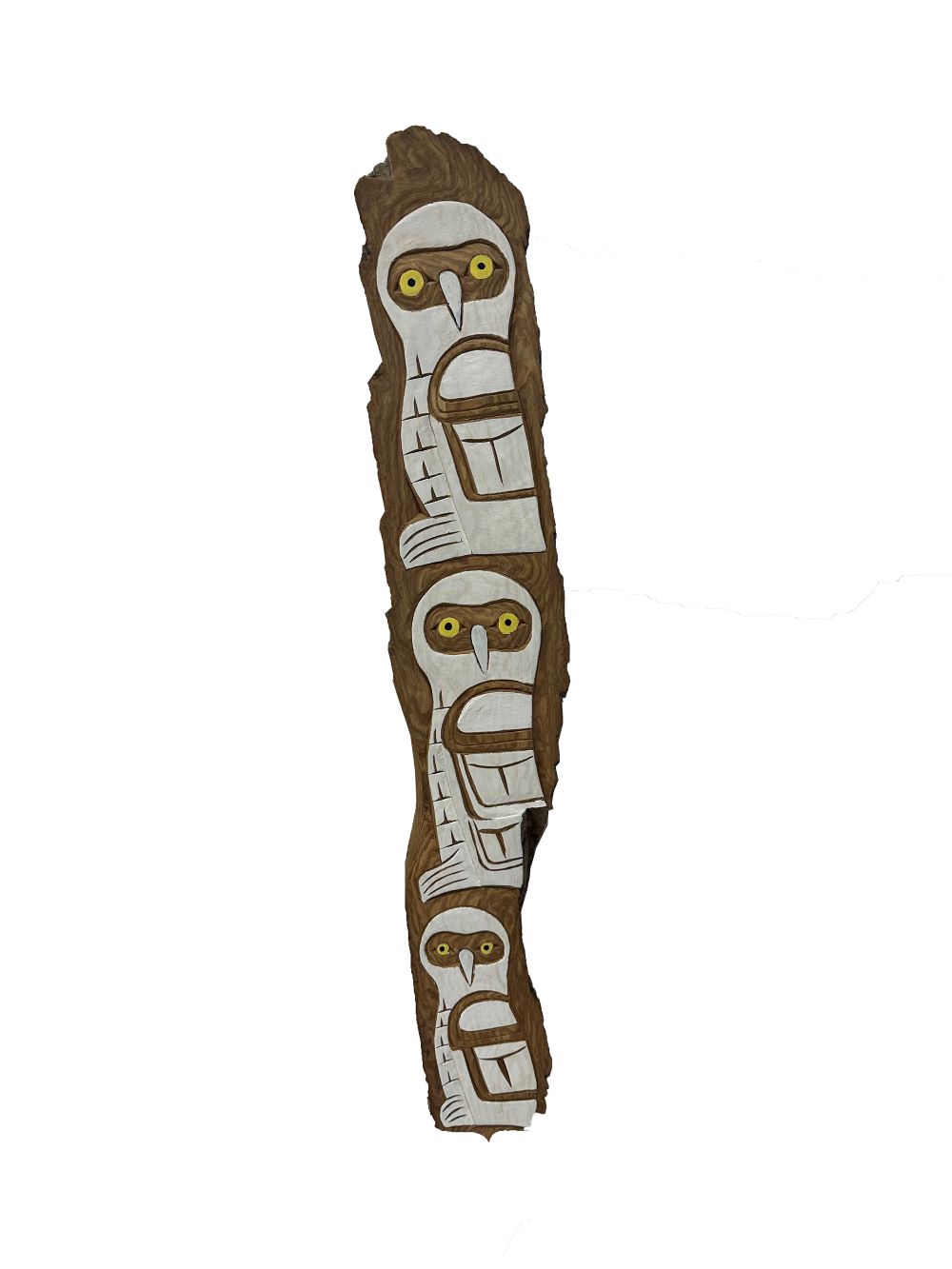
The Arctic tundra stretches endlessly, a vast expanse of ice and wind where survival is a daily negotiation with the elements. Amidst this stark landscape, the snowy owl glides silently, a spectral presence woven into the fabric of Indigenous Arctic communities. This majestic bird is not merely a creature of the wild; it is a symbol, a teacher, and a companion in the stories and traditions of the people who call the North home. To understand the snowy owl is to glimpse the resilience, wisdom, and deep ecological knowledge of Indigenous Arctic societies—a relationship forged over millennia, where human and bird share a delicate balance of dependence and reverence.
The Snowy Owl as a Cultural Icon: Symbols and Stories
In the oral traditions of Arctic Indigenous peoples, the snowy owl is more than a hunter of lemmings and ptarmigans. It is a messenger between worlds, a guardian of secrets whispered on the wind. Among the Inuit, the owl is often associated with the spirit of the deceased, its white plumage evoking the purity of the afterlife. Yet, it is also a trickster in some tales, a cunning figure who outwits predators with its keen intellect. The owl’s nocturnal habits and piercing gaze have cemented its role as a liminal being—neither fully of the day nor the night, neither wholly earthbound nor celestial.
For the Gwich’in people of northern Canada and Alaska, the snowy owl is a harbinger of change. Its arrival signals the shifting seasons, a reminder that life in the Arctic is a cycle of adaptation. Elders speak of the owl as a teacher, its silent flight a lesson in patience and precision. In some communities, the owl’s feathers are used in ceremonial regalia, their presence believed to invoke protection and wisdom. The bird’s resilience in the face of harsh winters mirrors the endurance of Indigenous cultures, who have thrived in these lands long before colonial borders divided their ancestral territories.
The Ecological Dance: Predator and Prey in the Arctic Web
The Arctic ecosystem is a finely tuned mechanism, where every species plays a role in maintaining equilibrium. The snowy owl, as an apex predator, is a linchpin in this web. Its primary prey—lemmings—undergoes cyclical population booms and crashes, and the owl’s breeding success is directly tied to these fluctuations. When lemming numbers surge, snowy owls raise large broods; when the rodents dwindle, the owls disperse, sometimes traveling vast distances in search of food. This dynamic is not just a biological phenomenon; it is a rhythm that Indigenous communities have observed and adapted to for generations.
For hunters and trappers, the snowy owl’s movements offer clues about the abundance of game. A sudden influx of owls may indicate a lemming peak, which in turn suggests that Arctic foxes and other predators are thriving. Conversely, the absence of owls can signal hardship ahead. Indigenous knowledge holders have long used these signs to plan their own hunting strategies, ensuring sustainable practices that do not deplete the land. This ecological literacy is a testament to the deep interdependence between humans and wildlife in the Arctic—a relationship that modern science is only beginning to understand.
The owl’s role extends beyond predation. Its presence deters smaller predators from encroaching on nesting grounds, indirectly protecting ground-nesting birds like the ptarmigan. In this way, the snowy owl is a keystone species, its influence rippling through the tundra’s intricate food chains. Indigenous communities recognize this interconnectedness, viewing the owl not as a solitary hunter but as a vital thread in the tapestry of Arctic life.
Climate Change and the Owl’s Uncertain Future
The Arctic is warming at an alarming rate, and the snowy owl is among the species feeling the heat—literally. As temperatures rise, the tundra’s delicate balance is disrupted. Shrinking sea ice alters the migration patterns of lemmings, while thawing permafrost transforms hunting grounds into bogs and lakes. For the snowy owl, these changes are catastrophic. Breeding grounds that were once reliable become inhospitable, and food sources vanish overnight. Indigenous communities, who have witnessed these shifts firsthand, describe a landscape that no longer behaves as it once did.
Elders speak of winters that were once colder, of ice that held firm until late spring. Now, they say, the ice comes and goes unpredictably, leaving both humans and wildlife scrambling to adapt. The snowy owl, a creature of tradition and constancy, is forced to wander farther south in search of food, its once-familiar territories slipping away. For Indigenous hunters, this means longer journeys, greater risks, and a growing sense of loss—not just of the owl itself, but of the cultural knowledge tied to its presence.
The plight of the snowy owl is a microcosm of the broader crisis facing the Arctic. As the ice melts and the tundra greens, the entire ecosystem is thrown into flux. Yet, Indigenous communities are not passive observers. They are leading the charge in climate adaptation, blending traditional knowledge with modern science to protect their lands. Some initiatives involve monitoring owl populations to track environmental changes, while others focus on preserving the cultural narratives that keep the owl’s spirit alive in the community’s collective memory.
Art, Ritual, and the Owl’s Enduring Presence
In the art and craft of Arctic Indigenous peoples, the snowy owl is a recurring motif—a symbol of beauty, power, and connection to the land. Carvings in ivory, bone, and wood depict the owl in flight, its wings spread wide as if to embrace the sky. Beadwork and embroidery incorporate its likeness into clothing and regalia, each stitch a testament to the bird’s significance. These artistic expressions are not merely decorative; they are acts of reverence, ways of honoring the owl’s role in the natural and spiritual worlds.
Rituals involving the owl are equally profound. In some communities, the bird’s feathers are used in healing ceremonies, their presence believed to cleanse negative energy and restore balance. Shamans and healers may invoke the owl’s spirit to guide lost souls or to protect against malevolent forces. The owl’s call, a haunting echo across the tundra, is often interpreted as an omen—sometimes a warning, other times a blessing. These practices are not relics of the past; they are living traditions, passed down through generations and adapted to contemporary life.
The owl’s influence extends to contemporary Indigenous art as well. Modern painters and sculptors draw inspiration from its form, using it to explore themes of resilience, adaptation, and the intersection of tradition and modernity. Galleries across the Arctic and beyond showcase these works, inviting viewers to see the snowy owl not just as a creature of the wild, but as a bridge between the past and the future. Through art, the owl’s story continues to be told—a story of survival, of harmony, and of the unbreakable bond between people and the land they inhabit.
Lessons from the North: What the Owl Teaches Us
The snowy owl is more than a bird; it is a teacher, a guide, and a mirror reflecting the challenges and triumphs of Arctic life. Its story is one of adaptation, of finding strength in adversity, and of living in harmony with a land that demands respect. For those of us who live far from the tundra, the owl’s lessons are no less relevant. In a world of rapid change, its resilience reminds us of the importance of patience, of understanding our place in the natural world, and of preserving the knowledge that connects us to the earth.
Indigenous Arctic communities have long understood this. Their relationship with the snowy owl is a testament to the power of traditional knowledge, a reminder that sustainability is not just a scientific concept but a way of life. As climate change reshapes the Arctic, the owl’s fate hangs in the balance—but so too does the future of the people who have called these lands home for thousands of years. To protect the owl is to protect a way of life, a culture, and a deep, abiding connection to the land.
In the end, the snowy owl is a symbol of what we stand to lose if we fail to listen—to the land, to the wisdom of Indigenous peoples, and to the creatures that share our planet. Its silent flight across the Arctic sky is a call to action, a plea to remember that we are not separate from nature but a part of it. The owl does not ask for our pity or our intervention; it asks for our respect, our understanding, and our commitment to preserving the world it inhabits. And in that request, we find the truest lesson of all.