In the dense, mist-shrouded forests of the Pacific Northwest, an emblematic figure quietly commands respect and intrigue—the spotted owl. More than just a creature of the wild, the spotted owl weaves its essence into the intricate tapestry of heraldry across this enigmatic region. As you delve deeper into its symbolic presence, prepare for a journey that promises to shift your perspective on nature and culture, awakening a curiosity about the profound interplay between ecology and emblematic representation.
The Spotted Owl: More Than a Rare Bird
Often associated with the ancient, rain-soaked woodlands of the Pacific Northwest, the spotted owl embodies mystique and conservation. It is a species that is both a sentinel and a symbol, an avian icon whose rarity has sparked urgency and reverence alike. Beyond its physical characteristics—dusky feathers dotted with luminous spots—this owl represents a delicate balance. Its very survival is a narrative entwined with issues of habitat preservation and ecological stewardship in the face of relentless industrial expansion.
Within heraldry, the spotted owl transcends its biological confines. It metamorphoses into an emblem of vigilance and protection, an animal steeped in folklore and indigenous symbolism. The owl’s nocturnal habits and silent flight inspire a metaphor for wisdom veiled in mystery. Its portrayal on shields and crests of the Pacific Northwest projects more than a mere naturalistic image; it is a profound declaration of guardianship—a sentinel watching over both human and natural realms.
Heraldry in the Pacific Northwest: A Unique Cultural Confluence
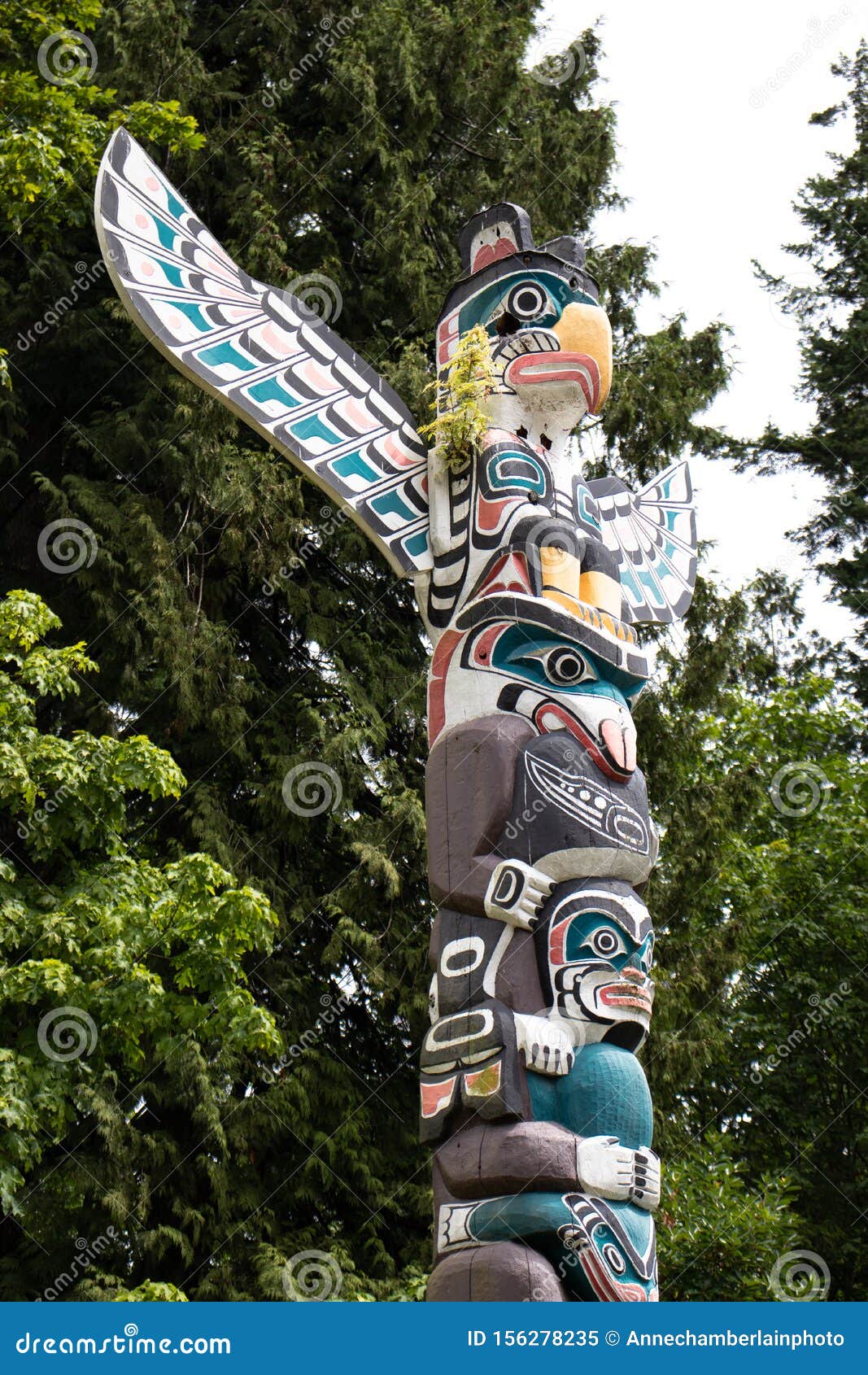
The heraldic traditions of the Pacific Northwest defy the conventional European mold. Here, indigenous art blends with contemporary design, producing motifs that echo the region’s rich cultural heritage and its abundant natural bounty. Totems, crests, and symbols rooted in Native American legends are the backbone of this heraldic style, with each image layered in meaning. The spotted owl carved into these artworks becomes a conduit for ancestral stories and environmental consciousness.
Unlike classical heraldry that often extols martial valor or noble lineage, Pacific Northwest heraldry is infused with a profound respect for the interconnectedness of life. The spotted owl serves as a versatile archetype in this artistic language—sometimes a protector spirit, other times an omen or a guide. Its inclusion in heraldic art reflects a worldview where human identity and natural world are inextricably linked, a narrative that challenges modern perceptions of dominion over nature.
The Symbolism of the Spotted Owl in Heraldic Imagery
Symbolism in heraldry is never incidental; every element holds significance. With the spotted owl, symbolism radiates from multiple dimensions—wisdom, secrecy, longevity, and environmental guardianship. Its keen eyesight and silent predation translate metaphorically into heightened awareness and discretion within the human sphere. Families and communities adopting the spotted owl emblem signal values of insight, vigilance, and a connection to hidden truths.
Furthermore, the owl’s nocturnal essence imbues the heraldic representation with a hint of the uncanny. It evokes narratives of transformation and the unveiling of mysteries when the world is cloaked in darkness. In the Pacific Northwest, where shadows and light engage in perpetual dance beneath the towering evergreens, such symbolism resonates with extraordinary potency. The owl becomes a beacon through the obscurity of challenges, a promise of renewal and foresight.
Ecological Resonance: When Heraldry Meets Conservation
Heraldry is not static; it lives, breathes, and evolves alongside the environment it reflects. The spotted owl’s presence in heraldic traditions presses a potent ecological message. This bird is not merely an ornamental figure. It directs attention to the urgent need for habitat preservation amid sprawling deforestation and development. The owl subtly reminds the onlooker of the fragility and interconnectedness of forest ecosystems.
Through heraldic art, the spotted owl embodies conservation ideals, transforming abstract environmental concerns into palpable narratives. It becomes a rallying symbol, inspiring communities to honor and defend the ancient forests. The owl’s heraldic depiction functions both as history and a call to action—melding cultural identity with ecological responsibility in a seamless dialogue.
Reimagining Identity: The Spotted Owl’s Role in Contemporary Heraldry
Today, as the Pacific Northwest navigates its complex relationship with nature and development, the spotted owl’s heraldic presence undergoes continual reinterpretation. Modern artists and indigenous communities alike reimagine its portrayal, fostering dynamic expressions that challenge conventional symbolism. In these new manifestations, the owl embodies resilience and adaptation, emphasizing coexistence rather than domination.
This evolving heraldry bridges past and future, tradition and innovation. It invites observers to reconsider the narratives they inherit and the legacies they wish to forge. The spotted owl, thus, is not a relic but a living emblem of transformation—a guardian of cultural memory and a harbinger for sustainable approaches to identity and environment.
Unlocking Curiosity: The Spotted Owl’s Enduring Mystique
What is it about the spotted owl that captivates so profoundly? Perhaps it is the contrast between its elusive nature and its bold heraldic prominence. Or the paradox of vulnerability paired with protective symbolism. This duality invites endless curiosity, drawing us into reflection on the unseen forces that shape identity and legacy.
Heraldry, with the spotted owl as a focal point, challenges us to peer beyond surface appearances and question our assumptions. It beckons us into a realm where art, ecology, and spirituality converge. Every spotted owl emblem is a story—a fragment of a larger mosaic that reveals the soul of the Pacific Northwest in all its complexity. And within that story, countless new perspectives await those willing to look deeper.