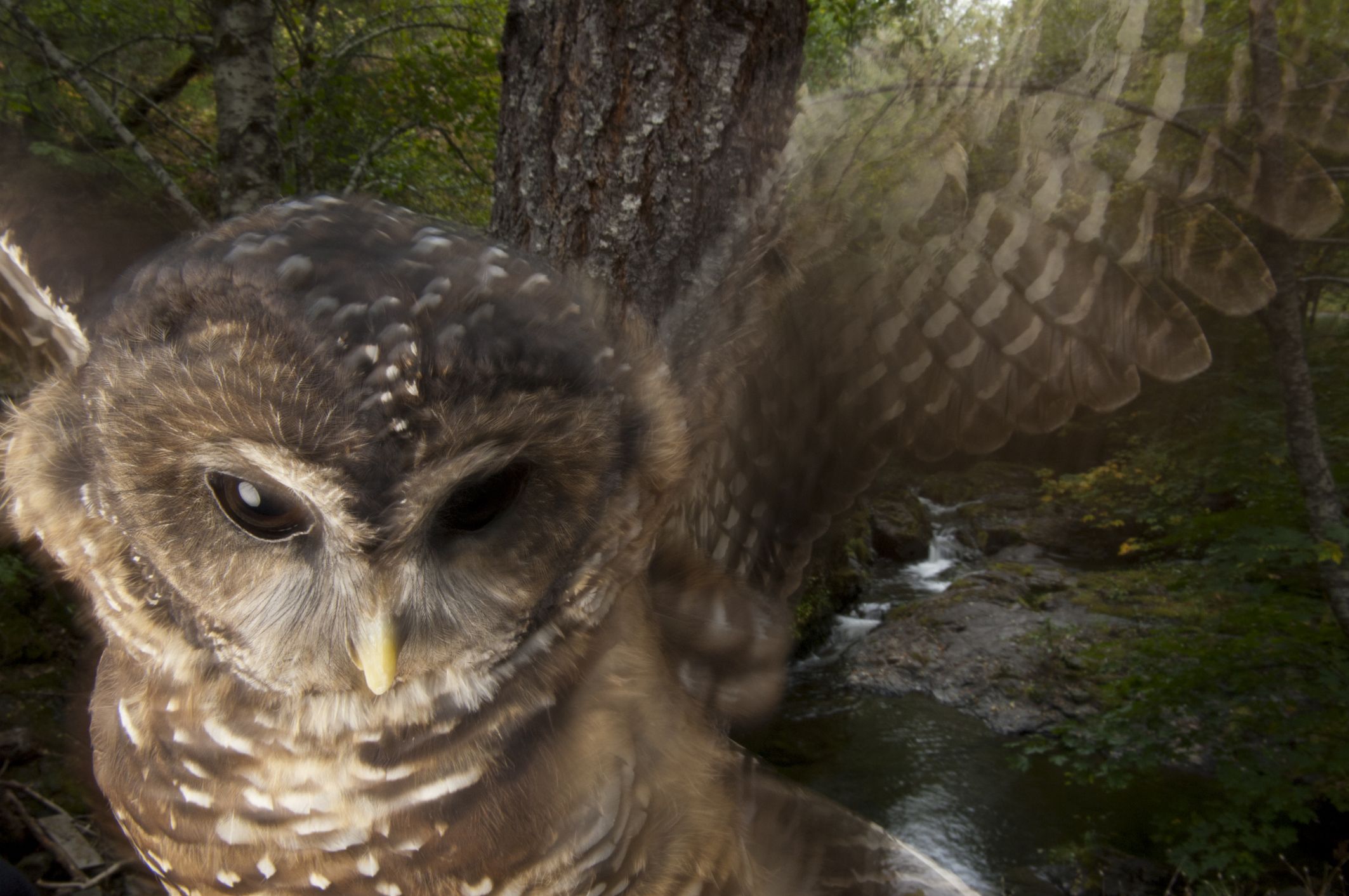
In the dense, shadow-dappled forests of the Pacific Northwest, the spotted owl reigns as an emblem of wilderness and fragility. Yet beneath the whispering canopy, a silent crisis unfolds—a tale not merely of a vanishing species but of a profound ecological upheaval. Habitat loss stands as the towering adversary threatening the survival of the spotted owl, unraveling ecosystems with relentless force. To truly grasp this challenge is to embark on a journey that reshapes how we understand conservation, coexistence, and the very notion of stewardship.
The Intricacies of Spotted Owl Habitat Requirements
Spotted owls are not generalists; they are ecological specialists. Their survival hinges on the existence of old-growth forests—grand reserves of towering conifers, interspersed with snags, fallen logs, and multilayered vegetation. These ancient woodlands provide more than shelter; they offer a complex, interwoven habitat structure necessary for the owls’ hunting, nesting, and brooding. Such forests, often hundreds of years in the making, present a mosaic of microhabitats that sustain diverse prey populations, from small mammals to exquisitely camouflaged amphibians.
The specificity of the spotted owl’s habitat needs imbues the species with an inherent vulnerability. Fragmentation or degradation of these forests can disrupt nesting success and force owls into suboptimal landscapes teeming with competitors and dangers. It is here, amid the loss and alteration of habitat, that we begin to see the precariousness of their existence etched vividly into the fabric of the forest.
Decades of Deforestation: Carving Away the Owl’s Sanctuary
The slow erosion of spotted owl habitat has been ongoing for decades, accelerated by logging practices driven by economic exigencies and industrial growth. Old-growth forests, once deemed inexhaustible, have been relentlessly thinned, clear-cut, and fragmented. Each felled tree marginalizes the owl’s realm; each new road bisects the forest’s continuity, exposing vulnerable territories to human intrusion and increased predation risks.
Yet these are not merely numbers on a map. The loss of contiguous old-growth expanses means the disappearance of the intricate web of life within—disrupting mutualistic relationships and diminishing prey abundance. It is a cascade of effects, a chain reaction that reverberates through the canopy and the soil alike, ultimately rendering vast areas inhospitable for owl habitation.
Competition and the Invasive Barred Owl Phenomenon
As the spotted owl’s territory shrinks and fragments, another species has emerged as a formidable competitor—the barred owl. Originally native to eastern North America, barred owls have expanded westward, colonizing spotted owl habitats. Their adaptability and aggressive territorial behavior allow them to outcompete the more specialized spotted owl, especially in disturbed or secondary forests.
The rise of the barred owl underscores a paradoxical consequence of habitat loss: while ecosystem degradation threatens specialists like the spotted owl, it simultaneously fosters conditions conducive to generalist invaders. This interspecies competition exacerbates the pressures on spotted owls, breeding stratagems of survival that intertwine with difficult management decisions and ethical debates.
The Cascading Ecological Impacts of Habitat Degradation
Habitat loss is not a singular event but a multifaceted phenomenon with cascading repercussions. As the forest is fragmented, edge effects intensify—altering microclimates, increasing susceptibility to invasive species, and disrupting the symphony of interdependent flora and fauna. The spotted owl’s plight thus mirrors broader ecological disarray, where the erosion of one species signals the disintegration of entire biological communities.
This transformation diminishes biodiversity, undermines forest resilience, and hampers natural processes such as nutrient cycling and carbon sequestration. The ramifications ripple outward, influencing water quality, soil stability, and even atmospheric conditions—revealing the intrinsic connectivity between spotted owls and the health of the broader environment.
Restoration and the Promise of Rewilding
There is, however, a flicker of hope amid this adversity. Restoration ecology and rewilding efforts present pathways to mend fragmented habitats and reinstate ecological integrity. Active forest management seeks to balance timber production with conservation through selective logging, extended rotation ages, and retention of critical habitat structures.
Moreover, reintroduction of natural disturbance regimes—such as controlled burns and pest management—can restore forest complexity and foster suitable conditions for spotted owls. These initiatives do not merely aim to preserve a single species but to revitalize ecosystems, rekindling the intricate interconnections that sustain life. The challenge demands innovation, commitment, and an embrace of uncertainty, signaling a shift from exploitation to stewardship.
Rethinking Human Intervention: Ethical and Practical Dimensions
The complexity of habitat loss compels a reconsideration of human roles and responsibilities. From regulatory frameworks to community engagement, the conservation of spotted owls forces reflection on the ethics of intervention. How do we balance economic imperatives with ecological necessities? At what point does active management, such as controlling barred owl populations, become a moral obligation?
These questions invite a profound dialogue, intertwining ecological science with societal values. They invite us to move beyond simplistic narratives of preservation, urging nuanced understanding of trade-offs and the embrace of adaptive management strategies that accommodate evolving realities.
A Shift in Perspective: From Loss to Legacy
Ultimately, the saga of the spotted owl’s habitat loss is more than a conservation dilemma; it is a narrative that challenges prevailing paradigms. It demands a shift—from seeing habitat loss as a mere statistic to recognizing it as a profound alteration of a living landscape, one that tests our ingenuity and compassion.
It calls upon us to appreciate the spotted owl not just as an endangered bird, but as a symbol of ancient forests, ecological attunement, and the precarious beauty of coexistence. In embracing this perspective, we unlock new possibilities for reconciliation between human progress and nature’s endurance—a legacy where the whisper of owls continues to echo through the towering trees.