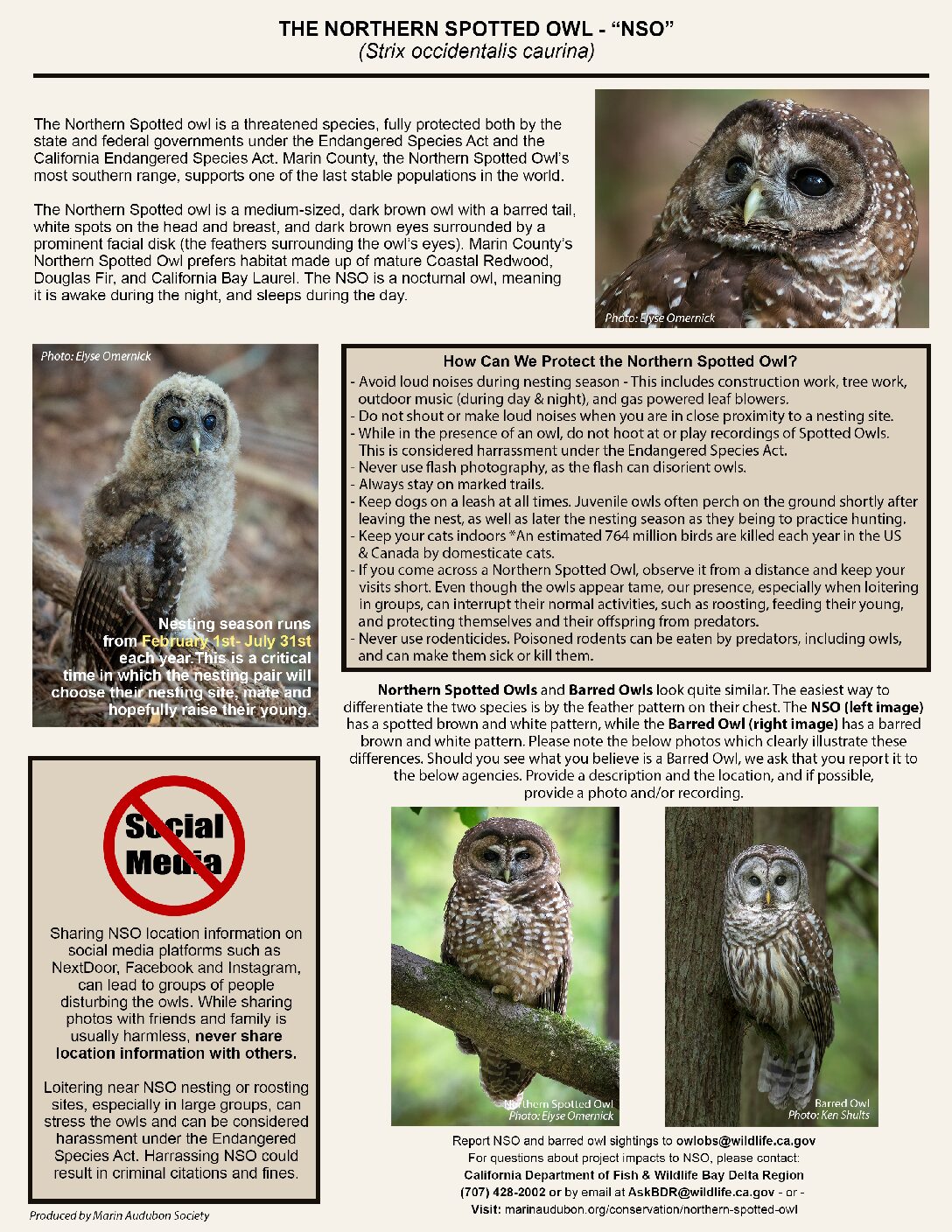
In the dense, misty forests of the Pacific Northwest, the elusive Northern Spotted Owl has long stood as a sentinel species — a symbol of wilderness integrity and biodiversity. For decades, conservationists have grappled with the challenges of preserving this enigmatic bird, whose survival intertwines with the fate of old-growth forests. Yet in recent years, a mosaic of success stories has begun to emerge, illuminating pathways toward effective protection strategies. These narratives are not merely tales of hope; they represent a confluence of science, policy, and community engagement that provide invaluable lessons for conservation at large.
Strategic Habitat Preservation: The Cornerstone of Recovery
At the heart of Northern Spotted Owl conservation lies the imperative to safeguard their habitat — the ancient, complex canopy ecosystems teeming with biodiversity. Efforts to designate large swaths of old-growth forest reserves have yielded substantial benefits. By identifying critical nesting and foraging territories through meticulous field studies and GPS mapping, wildlife managers have refined protected boundaries to maximize ecological function.
These habitats are not static; they require stewardship to maintain the dynamic processes fountains of life rely upon. Controlled thinning, regulated logging limitations, and invasive species management work in tandem to ensure the forest’s resilience. Furthermore, the establishment of federal and state conservation areas has curtailed habitat fragmentation, creating contiguous corridors that bolster genetic diversity and facilitate natural dispersal.
Adaptive Management and Scientific Innovation: Embracing Complexity
Conservation is a living, breathing discipline — an iterative negotiation between human action and ecological complexity. Adaptive management frameworks have revolutionized how agencies respond to emerging challenges facing Spotted Owls. This approach relies heavily on continuous monitoring, allowing stakeholders to adjust tactics based on real-time data rather than static assumptions.
Innovative technologies play a pivotal role in this endeavor. Acoustic monitoring stations now capture owl vocalizations, enabling the detection of individuals without intrusive methods. Satellite imagery and drones provide unprecedented access to remote forest patches, visualizing habitat alterations previously undetectable. Genetic analysis also supports the differentiation between the Northern Spotted Owl and its invasive cousin, the Barred Owl, informing species-specific management efforts.
Barred Owl Control: Mitigating a Pressing Threat
Perhaps one of the most profound challenges in recent years has been the encroachment of the Barred Owl into Northern Spotted Owl ranges. This aggressive competitor disrupts breeding and resource acquisition, accelerating Spotted Owl decline. Addressing this conflict necessitated difficult decisions and the development of targeted control programs.
Removal trials, including selective culling of Barred Owls, have demonstrated promising results in boosting Spotted Owl survival rates. Though controversial, these measures underscore the complex ethical and ecological balances conservationists must negotiate. Importantly, these programs are integrated with habitat restoration efforts to provide a multifaceted defense against population pressures.
Community Engagement and Indigenous Stewardship
Conservation transcends biological considerations; it is inherently social. Engaging local communities has proven essential in creating a sustainable conservation ethic. Workshops, citizen science initiatives, and educational outreach foster a broader understanding of the Spotted Owl’s plight and galvanize grassroots support.
Indigenous peoples, whose cultural narratives and livelihoods are intertwined with these forests, have become vital partners. Their traditional ecological knowledge enriches conservation practices, offering nuanced perspectives on ecosystem management honed over millennia. Collaborative governance models now increasingly incorporate indigenous stewardship, blending ancestral wisdom with contemporary science for enhanced outcomes.
Legal Frameworks and Policy Milestones
The legal protections afforded to the Northern Spotted Owl have served as a critical scaffold for conservation successes. Landmark legislation, including the Endangered Species Act, catalyzed habitat preservation efforts and prompted industry-regulated logging practices. These policies fortified the enforcement mechanisms required to maintain habitat integrity.
Moreover, habitat conservation plans have forged partnerships between government agencies, private stakeholders, and environmental groups, transforming potential conflicts into cooperative ventures. The evolution of these policies exemplifies how law can be a powerful tool for ecological restoration when bolstered by adaptive strategies and scientific input.
Long-Term Population Monitoring and Data Transparency
A linchpin of effective conservation is rigorous, long-term monitoring. By systematically tracking population trends, reproductive success, and mortality causes, researchers glean insights that shape management decisions. This commitment to data transparency ensures that conservation outcomes are publicly accessible and subject to continuous scrutiny.
Citizen science platforms have expanded the collective data pool, allowing enthusiasts and volunteers to contribute observations that sharpen the resolution of population assessments. This democratization of data collection not only enriches science but also cultivates a sense of shared responsibility among broader audiences.
Integrating Climate Resilience into Conservation Planning
Climate change introduces an unpredictable variable that reverberates across the Spotted Owl’s habitat. Alterations in temperature and precipitation patterns affect forest composition, prey availability, and susceptibility to wildfires—each posing existential risks to survival. Recognizing this, contemporary conservation strategies are beginning to integrate climate resilience.
Restoration efforts now emphasize the promotion of heterogeneous forests that can better withstand climatic perturbations. Proactive fire management and the creation of microhabitats serve to buffer the species against an increasingly volatile environmental backdrop. This foresight ensures that conservation initiatives remain robust in the face of uncertainty.
Success Stories: Inspirational Outcomes and Ongoing Challenges
Across various reserves, fledgling Northern Spotted Owl pairs have returned after years of absence, signifying hope borne from concerted efforts. Improved nesting success and stable or increasing local populations validate the composite strategies deployed. These victories, while regionally variable, exemplify the power of science-led, community-supported conservation.
Yet, challenges persist. Habitat loss outside protected zones, continued Barred Owl competition, and broader ecosystem shifts require vigilance. The success stories are dynamic, underscoring the need for continued funding, innovation, and collaboration to ensure the Northern Spotted Owl soars into the future.