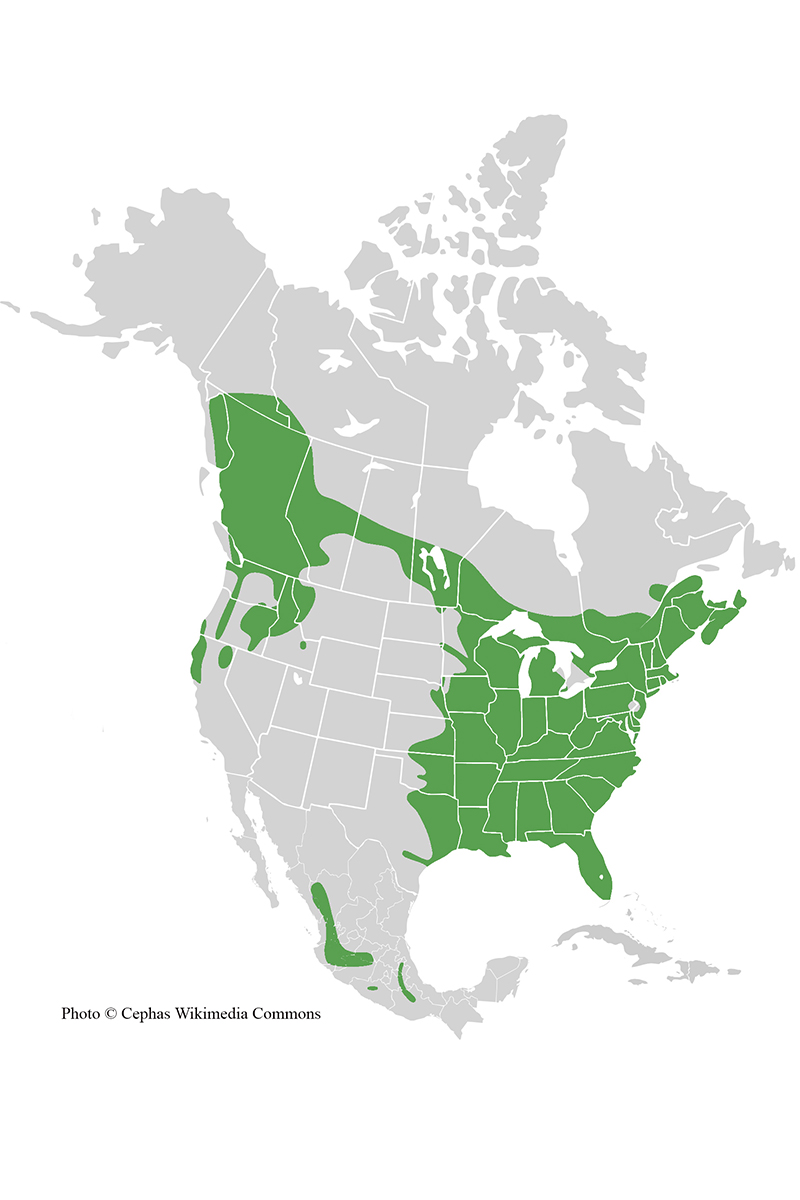
Have you ever wondered how the haunting call of the Barred Owl, once a sound familiar only in deep forests and quiet wetlands, now echoes through bustling suburban streets? How do these enigmatic birds, symbols of the wild, navigate the concrete jungles and manicured lawns of our expanding urban landscapes? As cities sprawl and green spaces shrink, these perceptive raptors confront an extraordinary challenge: to adapt or vanish. Their story is one of resilience, cunning, and surprising transformation.
The Urban Infiltration: A Bold Expansion Beyond the Wild
Barred Owls, traditionally denizens of dense woodlands and old-growth forests, have embarked on an intriguing journey into urban and suburban realms. This expansion has unfolded over recent decades, facilitated by the owls’ remarkable behavioral plasticity. Unlike other raptor species that are strictly territorial and habitat-bound, Barred Owls exhibit a degree of ecological flexibility allowing them to exploit fragmented woodlands, parks, and even backyards. Their enigmatic hoots now reverberate near streetlights and playgrounds, a testament to their audacious urban infiltration.
Their move into towns and suburbs isn’t a mere coincidence; it’s an adaptive maneuver in response to habitat loss and changing environmental conditions. Urban environments pose novel obstacles—light pollution, vehicular noise, and human activity—that could deter sensitive wildlife. Yet, Barred Owls have shown a surprising aptitude for adjusting their lifestyle rhythms, modifying their hunting methods, and selecting nesting sites that minimize disruptions. This nimble adaptation underscores an evolutionary dance with human expansion.
Unraveling the Nocturnal Symphony: Sound Adaptations Amidst Urban Clamor
Barred Owls are renowned for their distinctive calls—a melodious “Who cooks for you? Who cooks for you all?” that punctuates twilight. However, the urban night hums a different tune, saturated with honks, sirens, and chatter. How do these vocal birds communicate effectively in such cacophony? The answer lies in subtle modifications to their acoustic strategies.
Studies suggest that Barred Owls in urban settings adjust their vocal pitch and timing to circumvent overlapping with human-generated noise, effectively carving out acoustic niches in the din. This vocal plasticity enables them to maintain territorial and mating communications despite environmental challenges. Moreover, the owls time their calls during quieter periods, such as late night or early dawn, further showcasing a sophisticated interplay between behavior and habitat acoustics. This sonic ballet is essential for their survival and reproduction in places where silence is a rare commodity.
Navigating the Concrete Forest: Habitat Selection and Nesting Innovation
One of the greatest hurdles for any forest-dependent species venturing into urban areas is finding suitable habitat and safe nesting sites. Barred Owls face the dilemma of establishing territories in patchworks of fragmented woodlands interspersed with human structures. Yet, they have demonstrated remarkable ingenuity.
Rather than depending solely on hollow trees deep within forests, Barred Owls have broadened their nesting preferences to include large trees in suburban parks, nest boxes installed by conservationists, and even cavities in older buildings. Their tolerance for proximity to human activity is higher than previously believed, as long as sufficient canopy cover and prey availability remain. This adaptability contrasts with their traditional reputation as shy forest dwellers, illustrating a flexible approach to reproductive success in altered landscapes.
Additionally, urban green corridors—strips of vegetation connecting isolated patches—serve as vital lifelines, allowing Barred Owls to traverse and colonize fragmented habitats. This connectivity mitigates the island effect of urbanization, promoting genetic diversity and population stability.
Dietary Dexterity: The Shift in Prey Profiles within Suburban Ecosystems
Adapting to new surroundings also necessitates a revision of dietary habits. In pristine forests, Barred Owls primarily prey on small mammals like voles, mice, and amphibians, capitalizing on abundant biodiversity. Urban and suburban environments, however, harbor a different suite of prey species reflecting altered ecosystems.
Barred Owls have adjusted their foraging strategies to capitalize on the availability of synanthropic species—animals that thrive alongside humans—such as squirrels, rats, and even domestic birds. Their opportunistic hunting extends to amphibians in garden ponds and occasionally insects during warmer months. This dietary plasticity not only sustains them through seasonal fluctuations but also enables them to persist in habitats where traditional prey may be scarce.
Hunting tactics have subtly shifted as well; the owls exploit artificial perches like streetlamps and utility poles, enhancing their vantage points to detect prey movement. This opportunism reflects a mastery of the urban hunting ground, balancing energy expenditure with caloric intake in a world dominated by human structures.
Human-Wildlife Interaction: Challenges and Conservation Opportunities
While Barred Owls’ urban adaptation is impressive, it is not without challenges. Collisions with vehicles, exposure to rodenticides, and disturbances from pets and people present significant risks. Moreover, the owls’ propensity to frequent feeders and birdbaths can lead to conflict or dependency on humans.
Yet, these challenges also open avenues for meaningful conservation engagement. Wildlife-friendly urban planning, such as preserving mature trees, establishing green corridors, and implementing safe nesting boxes, has proven beneficial. Educating residents about the owls’ ecological role fosters coexistence and reduces negative interactions.
The Barred Owl’s presence in urban spaces can be a captivating ambassador for wider biodiversity awareness. By attuning to their needs and challenges, communities can cultivate environments where wildlife and humans not only coexist but flourish side by side.
Conclusion: The Barred Owl as a Symbol of Urban Wildlife Resilience
The Barred Owl’s journey from secluded forests to humming suburbs embodies a narrative of adaptability layered with complexity. Their playful calls hiding sophisticated adaptations tell a tale of survival amid a rapidly transforming world. These owls challenge assumptions about wildlife’s ability to endure urban sprawl and remind us that nature, though altered, continually strives to reclaim its niche.
Indeed, the question that began this exploration now resonates with greater depth: in a world reshaped by human hands, can creatures like the Barred Owl redefine their existence without losing their wild essence? Their story encourages us to rethink the urban environment—not as a boundary, but a new frontier for coexistence, where the mysterious call of the Barred Owl remains an enduring thread in the tapestry of city life.