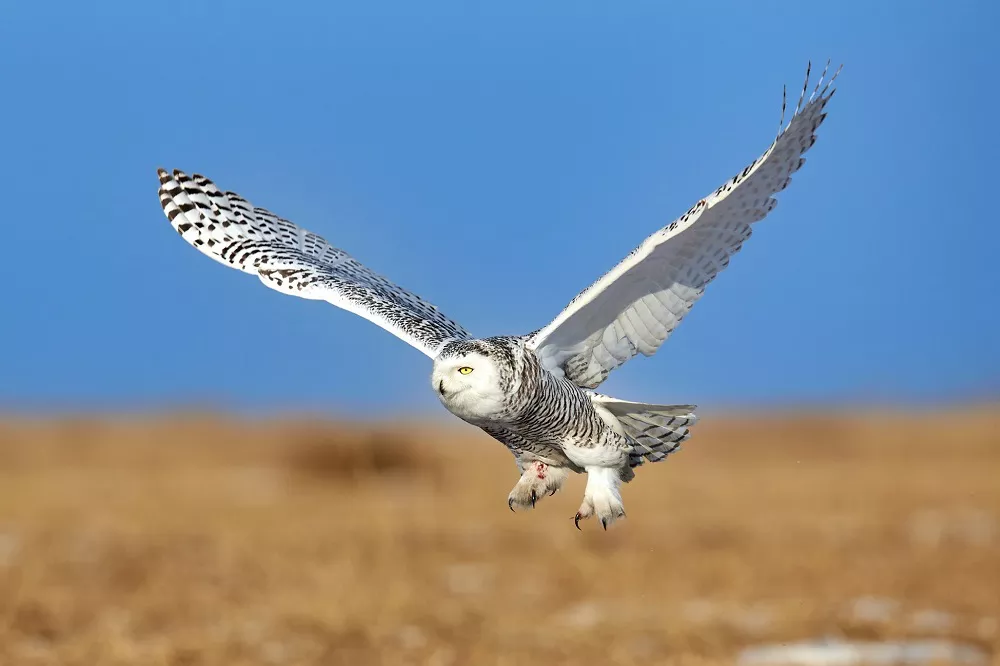
The ethereal beauty of snowy owls, with their ghostly white plumage and piercing yellow eyes, captivates the hearts of bird enthusiasts and photographers alike. Yet, behind the allure of capturing the perfect shot lies a complex dynamic—especially when flash photography comes into play. The impact of artificial light on these majestic creatures is a subject of increasing concern among wildlife experts and conservationists. Understanding how flashes affect snowy owls is crucial not only for ensuring their welfare but also for fostering an ethical approach to wildlife photography. Journey through the layers of this topic as we uncover the physiological, behavioral, and ecological ramifications of flash photography on snowy owls, the ethical implications for enthusiasts, and best practices for respectful observation.
Physiological Effects of Flash Photography on Snowy Owls
Snowy owls possess highly specialized sensory adaptations that make them uniquely suited to their often harsh and dimly lit Arctic habitats. Their eyes are equipped with a high density of rod cells, facilitating low-light vision essential for nocturnal hunting. However, this specialization renders them exceedingly vulnerable to sudden bursts of artificial light. Flash photography introduces an intense, transient illumination that can disrupt their visual equilibrium.
When exposed to camera flashes, snowy owls may experience temporary blindness or visual disorientation. The sudden glare can interfere with their ability to navigate and hunt efficiently, leading to stress-induced physiological responses. Elevated heart rates, increased cortisol levels, and heightened adrenaline are common stress markers observed in avian species subjected to intrusive lighting. Over time, repeated flash exposure could contribute to cumulative visual stress or even long-term retinal damage, although research on this remains emergent.
Behavioral Disruptions Induced by Artificial Light
Behavioral ecology illustrates how subtle disturbances can precipitate profound changes in wildlife routines. In snowy owls, the startled reaction to sudden flashes can manifest as abrupt flight, intensified vigilance, or interrupted feeding habits. These behavioral shifts ripple through their daily patterns, affecting everything from resting cycles to mating rituals.
During the breeding season, for instance, the interference caused by flash bursts may prompt parental abandonment of nests, exposing eggs or chicks to predation and harsh environmental conditions. Juveniles, already vulnerable, may experience heightened stress and decreased feeding efficiency if adults are frequently disturbed. The owl’s natural circadian rhythms may also be disrupted, as artificial flashes produce unnatural light cues that confuse these crepuscular hunters. Collectively, such behavioral perturbations can undermine individual fitness and ultimately influence population dynamics.
Ecological Consequences and Broader Environmental Implications
The repercussions of flash photography extend beyond the immediate stress it causes individual snowy owls. These birds occupy a pivotal ecological niche as apex predators in tundra ecosystems, regulating populations of small mammals and maintaining ecological balance. Disruptions in their behavior could cascade through the trophic levels, leading to unintended consequences.
Additionally, an increase in human presence, accompanied by the use of flash photography, can degrade the owls’ natural habitat. Habituation to intrusive human activity might drive snowy owls away from ideal hunting grounds, reducing their foraging success. Habitat fragmentation coupled with disturbance threatens the long-term viability of local populations. In fragile polar and subpolar environments, already strained by climate change, such compounded stresses exacerbate the fragility of biodiversity.
Ethical Considerations in Wildlife Photography
The pursuit of extraordinary wildlife images must be tempered by a conscientious approach toward the subjects involved. Ethical wildlife photography emphasizes the welfare of animals above aesthetic ambitions. For snowy owl enthusiasts, abiding by principles that minimize disturbance is not merely courteous—it is essential for conservation.
Flash photography, while tempting for its ability to illuminate and enhance images, contradicts these ethical imperatives. Many wildlife photographers advocate for natural light methods and prolonged patience to capture moments without artificial intrusion. Following established guidelines such as maintaining respectful distances, avoiding flash in low-light situations, and limiting the frequency of exposures demonstrates reverence for the owls’ well-being.
Best Practices for Photographing Snowy Owls Responsibly
Mastering the balance between compelling imagery and wildlife protection requires thoughtful planning and informed techniques. The foremost recommendation is to eliminate or significantly reduce flash use when photographing snowy owls. Utilizing telephoto lenses allows photographers to keep their distance, reducing stress on the birds.
Choosing early dawn or dusk hours capitalizes on ambient natural light that complements the snowy owl’s pale plumage without startling them. Employing remote cameras or camouflaged hides can enhance stealth and minimize human presence. Moreover, understanding snowy owl behavior—such as peak activity times and preferred perching locations—enables photographers to anticipate shots with minimal disruption.
Equally important is the dissemination of knowledge within the photography and birdwatching communities. Workshops, ethical codes, and educational campaigns can inculcate a culture that prizes the sanctity of wildlife over the brevity of a flash. Respect for these enigmatic birds will pave the way for enduring wonder and awe in their presence.
The Role of Conservation and Regulation
Governments and conservation organizations play critical roles in regulating human activities that affect vulnerable wildlife, including snowy owls. In several regions, laws prohibit or limit flash photography in protected areas to mitigate disturbance. Enforcement of such regulations, coupled with public awareness, can greatly reduce anthropogenic stressors.
Research initiatives aimed at studying the precise impact of flash on snowy owl physiology and behavior continue to inform policy-making. Collaborative efforts between scientists, photographers, and conservationists foster adaptive strategies that safeguard the species while allowing sustainable appreciation of their beauty. Support for habitat preservation and stringent visitor management practices also emerges as vital pillars in preserving these sublime Arctic icons.
Ultimately, understanding the profound impacts of flash photography on snowy owls unveils a compelling narrative about coexistence between humans and wildlife. It challenges us to embrace patience, caution, and respect—transforming mere photographic encounters into meaningful interactions that honor the delicate balance of the natural world.