In the boundless white tapestry of the Arctic, one creature reigns with an enigmatic grace: the Snowy Owl. Cloaked in pristine feathers, these majestic raptors have long been emblematic of the tundra’s fierce beauty and rigorous challenges. Yet, as the Arctic warms at an unprecedented pace, the intricate dance between predator and prey begins to unravel, revealing mysteries that compel us to reconsider not only the steadfastness of the Snowy Owl’s diet but also the very resilience of Arctic ecosystems. Central to this unfolding ecological narrative is the fate of the lemming—once the ubiquitous cornerstone of the owl’s winter survival. Are lemmings truly declining? And if they are, what does this portend for the Snowy Owl and the Arctic food web at large? The revelations challenge entrenched assumptions and invite a profound exploration into a changing world.
The Arctic’s Delicate Equilibrium: Snowy Owls and Their Prey
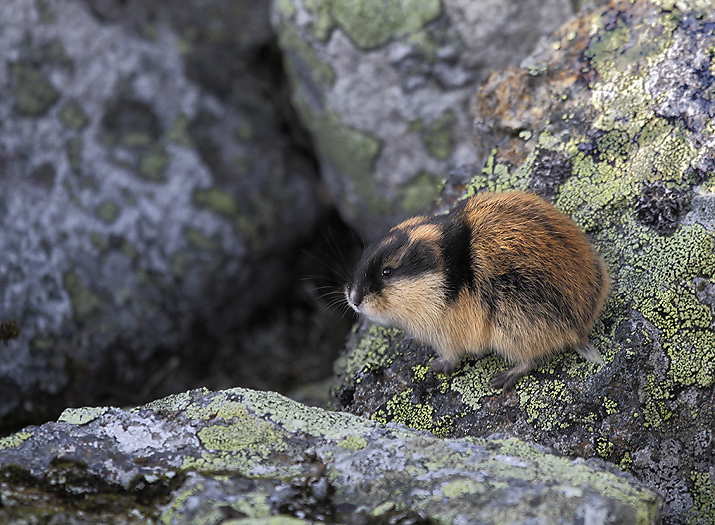
For millennia, Snowy Owls have been synonymous with lemmings, small rodents that scuttle beneath the snow, forming a vital link in the Arctic food chain. This predator-prey relationship is a vivid display of ecological balance, where lemming population booms and busts directly influence Snowy Owl breeding success and survival. Historically, when lemmings abound, Snowy Owls respond with prolific breeding, while lean years force them into nomadic quests searching for sustenance. Such cyclical fluctuations seemed predictable, inherently synchronized with the natural rhythms of the tundra. Yet, the lifeblood of this balance—the lemmings—are increasingly enigmatic, their populations no longer dancing to a familiar cadence. This shift hints at profound underlying changes in the Arctic’s fragile environmental tapestry.
The Unseen Ripple of a Warming Arctic
The Arctic’s alarming warming trend is no mere backdrop; it is an active agent reshaping landscapes, weather patterns, and biological interactions. Rising temperatures have not only thinned sea ice but also thawed permafrost, altered snow cover duration, and disrupted the availability of crucial microhabitats for lemmings. These tiny rodents depend heavily on a snowpack that provides insulation from the brutal cold and protection from predators. However, unpredictable freeze-thaw cycles and rain-on-snow events are increasingly common, creating icy crusts that impede lemmings’ movement and access to food. Such environmental stressors foreshadow a shrinking lemming population, throwing the Snowy Owl’s prime food resource into imminent jeopardy.
Lemmings in Decline? Disentangling Population Mysteries
Reports of diminishing lemming numbers in certain Arctic regions have sparked concern, though the full spectrum of causes remains enigmatic. Beyond climate-induced habitat degradation, predators, disease, and competition also mold lemming demography. Yet, the overarching narrative points toward a future where traditional lemming cycles are attenuated or disrupted altogether. Instead of predictable peaks, lemming populations exhibit sporadic and less pronounced surges, undermining the cues that Snowy Owls rely on for reproduction timing. The implications ripple through the ecosystem—less abundant prey translates to compromised owl body condition, decreased reproductive success, and elevated mortality rates. The portrait emerging is one of an ecosystem at a crossroads, where adaptation and survival hinge on unprecedented challenges.
Snowy Owls: Adaptability Amidst Uncertainty
Though closely tied to lemmings, Snowy Owls are not without resourcefulness. Their dietary plasticity reveals a startling capacity to pivot, particularly during lean lemming years. These apex avian predators have demonstrated opportunistic foraging behaviors—shifting toward alternate prey such as Arctic hares, waterfowl, and even fish when traditional prey dwindles. Such adaptability may provide a lifeline, yet it is not without limits. Alternate prey often require different hunting strategies and may not offer the same nutritional bounty as lemmings. Additionally, increasing competition with other predators and human disturbances further complicate these dietary shifts. The ability of Snowy Owls to persist under these pressures exemplifies nature’s tenacity, but also underscores the precarious tightrope they tread in an evolving Arctic.
Broader Ecological Reverberations and Conservation Imperatives
The unfolding saga of lemmings and Snowy Owls is emblematic of wider ecological transformations rippling throughout the Arctic. Disruptions in this predator-prey nexus resonate beyond immediate species, influencing nutrient cycling, vegetation patterns, and the regenerative capacities of the tundra itself. As such, the decline of lemmings and the consequent adaptation or decline of Snowy Owls encapsulates a microcosm of climate change’s sweeping impact. Conservation efforts must therefore evolve beyond species-specific interventions, embracing landscape-level resilience and incorporating indigenous knowledge, long-term monitoring, and climate mitigation strategies. Only through holistic stewardship can we aspire to safeguard this emblematic owl and the ethereal Arctic wilderness it inhabits.
Challenging Perspectives: What the Snowy Owl’s Diet Reveals About the Future
Peering into the Snowy Owl’s shifting diet invites us to rethink our assumptions about ecological equilibrium and adaptability in the Anthropocene. This narrative challenges the presumption of nature’s static rhythms, unveiling instead a mosaic of change—some subtle, others seismic. It piques curiosity about the uncharted behavioral adaptations within these owls and their prey and awakens questions about survival thresholds. Could the Snowy Owl become a bellwether species, signaling the health and trajectory of Arctic life? Might we witness the emergence of novel ecological interactions, strange yet resilient? These questions propel us beyond mere observation, compelling active reflection on humanity’s role as both witness and architect of this rapidly transforming realm.
In the end, the enigma of lemmings and the Snowy Owl’s diet underlines a deeper truth: the Arctic is not a frozen fortress impervious to change but a vibrant, dynamic system resilient yet vulnerable. As this story unfolds, it behooves us to listen intently—every feathered flight and furtive scurry a verse in an epic poem of survival, adaptation, and coexistence written in the indomitable spirit of the North.