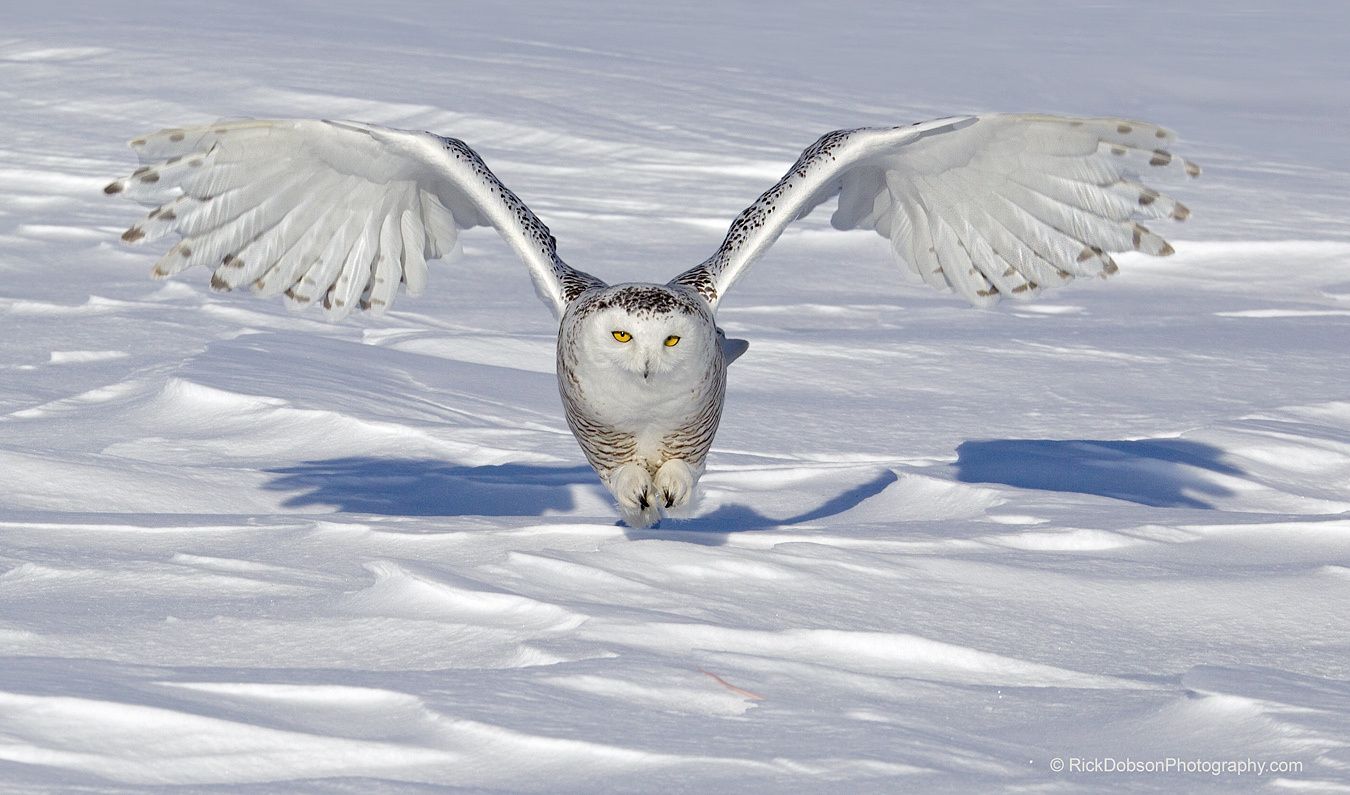
In the vast, frostbitten expanse of the Arctic tundra, the snowy owl reigns as a majestic sentinel of the winter skies. Its piercing yellow eyes scan the frozen landscape, unwavering in the pursuit of prey. Yet beneath the shimmering veil of ice, a silent transformation is underway—one that threatens to unravel the intricate dance between predator and prey. The relentless retreat of sea ice, propelled by the unyielding momentum of climate change, reverberates through the Arctic ecosystem, reshaping the very fabric of life. Among its victims is the snowy owl, whose prey availability is inexorably tethered to the ebb and flow of the frozen frontier.
The Interdependent Web: Snowy Owls and Their Prey
Snowy owls, or Bubo scandiacus, are apex avian predators intricately linked to the abundance of small mammals, particularly lemmings and voles, which form the cornerstone of their diet. These rodents thrive in tundra ecosystems stabilized by persistent sea ice, which influences snow cover and vegetation cycles. The cyclical surge of lemming populations—a phenomenon known as a population irruption—is vital to the reproductive success of snowy owls. In years of lemming plenty, owls breed prolifically, often raising large broods. Conversely, dwindling lemming populations can precipitate reproductive failure, forcing owls to abandon their nesting grounds or embark on perilous migrations in search of sustenance.
Melting Sea Ice: Catalyst of Ecological Disruption
The Arctic’s sea ice serves as more than a frozen water platform; it acts as a climatic moderator and ecological linchpin. The diminishment of sea ice alters thermal and hydrological regimes, triggering cascading effects through terrestrial and marine habitats. A critical consequence lies in the modulation of snow insulation. Sea ice influences snowfall patterns and snowpack thickness, which in turn affects the subnivean environment where lemmings nest and forage. Thinner snow layers or erratic freeze-thaw cycles can decimate lemming survival by exposing them to predators or by impeding their mobility. This degradation of habitat quality undermines the foundation of the snowy owl’s prey base.
Phenological Mismatches and Trophic Cascades
Melting sea ice not only transforms habitat structure but also disrupts the timing of ecological events—a phenomenon termed phenological mismatch. The delicate synchronicity between lemming population peaks and snowy owl breeding intervals can become desynchronized in a warming Arctic. If lemmings emerge or peak earlier due to shifting snowmelt patterns, but owls arrive or breed according to historical cues, a temporal mismatch ensues, resulting in insufficient prey availability during critical chick-rearing periods.
These temporal and spatial misalignments instigate trophic cascades that reverberate beyond predator-prey dyads. As snowy owls face prey scarcity, their predation pressure diminishes on lemmings, potentially altering vegetation dynamics and the broader food web. Furthermore, these birds may be compelled to expand their foraging range or switch to alternative prey, often less nutritious or abundant, thereby compromising their health and reproductive capacity.
Adaptive Responses and Behavioral Plasticity
Faced with a shifting prey landscape, snowy owls exhibit a spectrum of adaptive behaviors. Some individuals demonstrate remarkable plasticity, altering hunting strategies or expanding dietary breadth to include avian prey, such as waterfowl and seabirds. Others venture southward during winter, a departure from traditional patterns that reflects response to habitat stress. However, these adaptations are double-edged swords. Alternative prey may be less energetically rewarding, and new territories can expose owls to unfamiliar threats and competition.
Moreover, the capacity for adaptation is inherently constrained by physiological and ecological limits. The loss of reliable prey pulses due to sea ice melt challenges the resilience of snowy owl populations, potentially leading to localized declines or shifts in distribution.
Implications for Conservation and Future Outlook
The melting Arctic sea ice underscores an urgent conservation conundrum—protecting a sentinel species whose fate is deeply entwined with an imperiled environment. Effective conservation strategies require a holistic understanding of the ethereal links between climate dynamics, prey ecology, and predator behavior. Monitoring programs that integrate satellite imagery with on-the-ground population assessments offer vital insights into changing prey distributions and owl demographics.
Mitigation efforts aimed at curbing greenhouse gas emissions hold the key to preserving the integrity of sea ice and its cascading ecological functions. Concurrently, adaptive management—incorporating flexibility to respond to ecological shifts—can bolster the capacity of snowy owls to weather ongoing and future changes.
Conclusion: A Cry Amid the Melting Silence
The narrative of the snowy owl and melting sea ice is more than an ecological case study—it is a clarion call echoing the profound vulnerabilities wrought by a warming planet. Each fold of diminished ice conceals the fragility of an ancient connection between predator and prey. As the Arctic melts beneath expanding skies, the snowy owl’s quest for sustenance becomes emblematic of resilience and peril. Protecting this luminous harbinger of the north demands not only scientific rigor but an impassioned commitment to stewarding a world where ice, life, and survival intertwine.