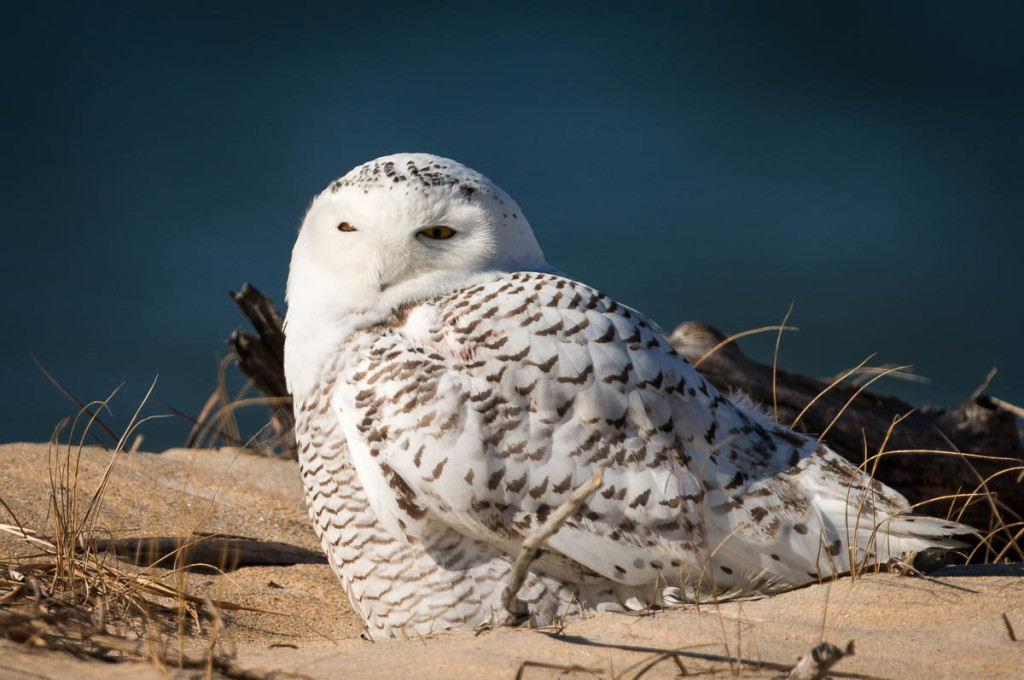
Every few years, the vast Arctic tundra unleashes one of its most spellbinding spectacles: the snowy owl irruption. The year 2026 promised a particularly enthralling chapter in this avian phenomenon. Yet, beneath the surface of this breathtaking migration lies a tapestry of complex causes, intriguing patterns, and invaluable lessons that beckon us to rethink our understanding of nature’s subtle signals. This irruption is not just a migratory event—it is a narrative encoded in the language of ecosystems, climate, and survival. It challenges us to observe with new eyes, listen more intently, and question the equilibrium we often take for granted.
Decoding the Enigmatic Causes Behind the 2026 Irruption
The sudden influx of snowy owls far beyond their usual range is never random. In 2026, a confluence of environmental triggers set the stage for an irruption of remarkable scale. Primary among these was the oscillation of prey populations, particularly the cyclic boom and bust of lemmings, the snowy owl’s staple diet. When tundra rodents plummet in numbers, these regal predators are forced into bold and often desperate expansions southward in search of sustenance.
However, prey scarcity tells only half the story. Climate fluctuations, especially aberrations in Arctic temperatures, have accelerated changes to the habitats these owls depend on. Warmer winters, reduced snow cover, and altered wind patterns play an insidious role in influencing owl behavior. It is within these shifting environmental contours that owls respond—not merely as passive creatures but as sentinels reacting to a delicate ballet of ecological upheaval.
Moreover, the irruption correlates with a crescendo in interspecific competition and habitat pressures. As other raptors and avian predators also shift their ranges due to climate stresses, the competitive landscape for nesting and hunting becomes tighter. This subtle yet potent competition nudges snowy owls further into novel territories, creating a cascade effect visible in the unexpected locales these birds now inhabit.
Tracing the Patterns: Temporal and Spatial Dynamics of the 2026 Movement
The 2026 irruption is a masterclass in patterns both predictable and paradoxical. Historically, these irruptions follow oscillatory cycles, approximately every three to five years, linked to rodent population dynamics. In 2026, this cadence held true but with nuances that captivated ornithologists and enthusiasts alike.
The spatial dispersal of the snowy owls in 2026 was notably broader. Owls ventured deep into urban fringes and southern latitudes where their presence was once exceedingly rare. This wide-ranging dispersal hints at multifaceted motivations that extend beyond prey scarcity. Some speculate that shifting wind currents, which facilitate longer flights with less exertion, opened corridors previously prohibitive. Others point to the unprecedented availability of anthropogenic food sources—a bold adaptation to human-altered landscapes.
Temporally, the irruption also defied some expectations. Rather than a sharp seasonal pulse, the movement exhibited a staggered, almost languid progression. Individuals arrived in waves, prolonging the irruption’s visibility and impact over months. Such alterations challenge prior models and invite fresh inquiry into behavioral plasticity among snowy owls.
Lessons Written in Feathers and Flight
The 2026 snowy owl irruption is more than an ornithological curiosity—it is a compelling narrative urging us to reconsider fundamental ecological and conservation paradigms. First, it reveals the intricate interconnectedness of species and ecosystems in an era of rapid environmental change. Snowy owls, through their movements, inadvertently communicate the repercussions of Arctic warming and the fragility of prey populations, giving us a living alarm system encoded in flight.
This event also illuminates the resilience and adaptability inherent in wildlife. The ability of snowy owls to traverse and persist in altered landscapes underscores a power of survival but simultaneously raises questions about the limits of such adaptability. Are these birds merely coping in the short term, or are we witnessing the early chapters of a long-term range redefinition? The answer bears significant implications for biodiversity management and policy development.
Moreover, the irruption underscores the urgent need for comprehensive monitoring programs that transcend political and geographic boundaries. In 2026, collaboration between northern and southern researchers proved pivotal in mapping the owls’ unprecedented routes and behavioral shifts. Such cooperation demonstrates how integrative science can decode complex natural phenomena and aid in crafting informed conservation strategies.
Broader Implications for Ecosystems and Human Interaction
The arrival of snowy owls in unprecedented numbers and areas also fostered a unique human-wildlife interface. In communities along the southern margins of the irruption, these majestic birds became ambassadors for awareness, attracting birders, photographers, and naturalists. This surge of interest sparked dialogues about habitat preservation, wildlife corridors, and the impacts of climate change.
Yet, this phenomenon also exposed vulnerabilities. Increased human proximity risks disturbance and stress on the owls, highlighting the fine line between appreciation and intrusion. The 2026 event therefore serves as a touchstone for developing responsible wildlife viewing practices that harmonize curiosity with conservation ethics.
From an ecological standpoint, the irruption’s repercussions ripple beyond the owls themselves. The redistribution of a top predator reverberates through trophic interactions, potentially altering the dynamics of prey species, competing birds, and even vegetation. It is a vivid reminder that changes in one species’ behavior often cascade, reshaping entire ecosystems in subtle but profound ways.
Looking Ahead: Anticipating Future Irruptions and Shaping Our Response
The 2026 snowy owl irruption invites us to anticipate the future with a blend of vigilance and wonder. If climate change continues its relentless march, such irruptions may become not exceptions but the new norm. This prospect demands proactive research that integrates climate modeling, ecological forecasting, and on-the-ground observations.
Innovative technologies such as satellite tracking and AI-driven data analytics promise to deepen our understanding of these enigmatic birds’ migratory decisions. Harnessing these tools can enable the development of predictive frameworks to alert conservationists and communities alike, fostering preemptive measures rather than reactive responses.
Ultimately, the story woven by the 2026 irruption is a clarion call to embrace a shifting perspective—a humbling acknowledgement that human actions and natural processes are deeply entwined. By decoding the mysteries of snowy owls’ irruptions, we glean insights not only about a species but about our shared future on a rapidly transforming planet.