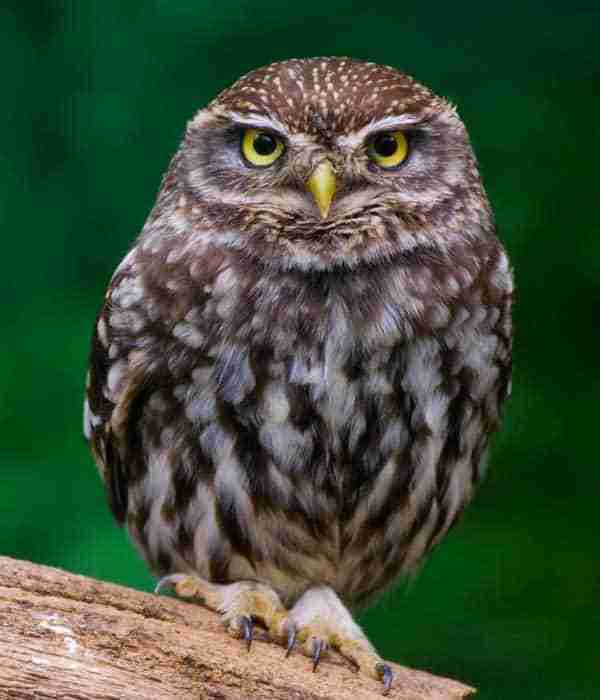
In the sprawling tapestry of nature’s intricate design, owls reign as the silent sentinels of nocturnal balance, wielding their predatory prowess with unparalleled finesse. Their presence in the agricultural landscape is not merely ornamental but serves as a profound bulwark against the insidious advance of pests. Like shadowy knights cloaked in feathers, owls engage in an age-old dance of predator and prey, mediating ecological equilibrium and offering farmers a natural panacea to the multifaceted challenges of crop devastation.
Owls as the Nocturnal Custodians of Agricultural Ecosystems
Owls embody the quintessential nocturnal guardians, their keen senses adapted to probe the darkness with uncanny precision. Unlike the cacophony of diurnal birdlife, owls operate in the realm of silence, their flight muffled by specialized feathers that render them nearly invisible hunters against the velvety night. This stealth grants them the ability to patrol agricultural fields under the cover of darkness, targeting an array of nocturnal rodents and insects that ravage crops.
Rodents, such as voles, mice, and rats, are notorious for their voracious appetites and exponential reproductive rates. Left unchecked, these pests inflict devastating damage, gnawing roots, consuming seeds, and undermining the structural integrity of fields. Owls, with their acute auditory and visual faculties, locate and eradicate these pests, curtailing their populations far more effectively than chemical interventions. Their predation curbs the explosion of these populations, turning the tide in favor of sustainable farming.
Symbiosis in the Field: Owls and Farmers in a Mutualistic Partnership
The relationship between owls and the agricultural community is a subtle yet profound alliance. Farmers often find themselves trapped in a Sisyphean struggle against pests, resorting to pesticides that exact costs on human health and environmental vitality. Owls serve as natural biocontrol agents, liberating farmers from the heavy dependence on synthetic chemicals.
By erecting owl nesting boxes or preserving natural habitats near farmlands, agriculturists can beckon these avian predators to take up residence. This man-made invitation fosters a thriving owl population that vigilantly patrols the farmland, diminishing the need for mechanical or chemical pest control methods. The result is a symbiotic relationship where both parties—avian and human—flourish, underscored by an ecological accord that champions biodiversity and productivity.
The Elegance of Silent Predation: How Owls Hunt with Precision
The hunting methods of owls are nothing short of poetic, an elegant choreography of silence, patience, and precision. Their large, forward-facing eyes grant them exceptional binocular vision, heightening depth perception necessary for pinpoint accuracy in capturing prey. Coupled with an extraordinary auditory system, some owls can detect even the faintest rustle beneath a layer of snow or dense vegetation.
This unique predatory aptitude enables owls to strike with surgical exactness, dispatching rodents and insect pests with minimal collateral damage to the surrounding environment. Unlike broad-spectrum pesticides that indiscriminately affect flora and fauna, owls target specific pests, maintaining ecological integrity. Their hunting techniques underscore a harmonious approach to pest control, emphasizing finesse over force.
Environmental and Economic Implications of Owl-Facilitated Pest Control
Harnessing the natural predation of owls carries profound environmental and economic ramifications. The reduction of pesticide use mitigates soil and water contamination, preserving essential ecosystems and preventing the collapse of beneficial insect communities. This natural approach aligns with the principles of integrated pest management, promoting sustainable agricultural practices that safeguard the long-term viability of farmlands.
Economically, the presence of owls translates into tangible savings for farmers. The costs associated with purchasing and applying chemical pesticides can be formidable, often compounding financial strain. Owls, as living pest control agents, offer a cost-effective alternative that not only diminishes expenditure but also enhances crop yields through healthier fields. This dual benefit strengthens rural economies and fosters resilient food systems.
Challenges and Conservation Efforts in Protecting Owl Populations
Despite their invaluable role, owls face myriad challenges that threaten their capacity to regulate pest populations effectively. Habitat loss due to urban expansion, pesticide exposure, and climate change pose significant risks to their survival. As apex nocturnal predators, owls require uninterrupted territories and nesting sites to thrive, which modern agricultural practices often compromise.
Conservation initiatives aimed at protecting owl habitats are paramount. Establishing designated conservation areas, minimizing pesticide application, and educating communities about the ecological benefits of owls can enhance their survival prospects. Moreover, the proliferation of artificial nesting sites invites these guardians to settle amidst farmlands, bolstering natural pest control while fostering biodiversity.
The Metaphorical Significance: Owls as Nature’s Quiet Alchemists
Owls transcend their biological function, emerging as enigmatic symbols of transformation—nature’s quiet alchemists turning pestilence into balance. They distill the chaos of burgeoning pest populations into harmony through their stealthy interventions. Like shadowy sentinels weaving unseen threads of control, they transmute agricultural adversity into sustainable opportunity.
This metaphorical lens enriches our understanding of their importance, positioning owls not merely as animals but as vital components of a larger ecological narrative. Their presence speaks to a paradigm of coexistence where intervention is subtle, intelligent, and in harmony with natural rhythms.
In essence, embracing owls as partners in pest control redefines humanity’s relationship with nature. It challenges the dominant paradigm of domination and extermination, inviting a new era where symbiosis and respect pave the path to agricultural resilience. As silent watchers in the night, owls offer an enduring testament to the power of natural solutions in surmounting the challenges of modern farming.
