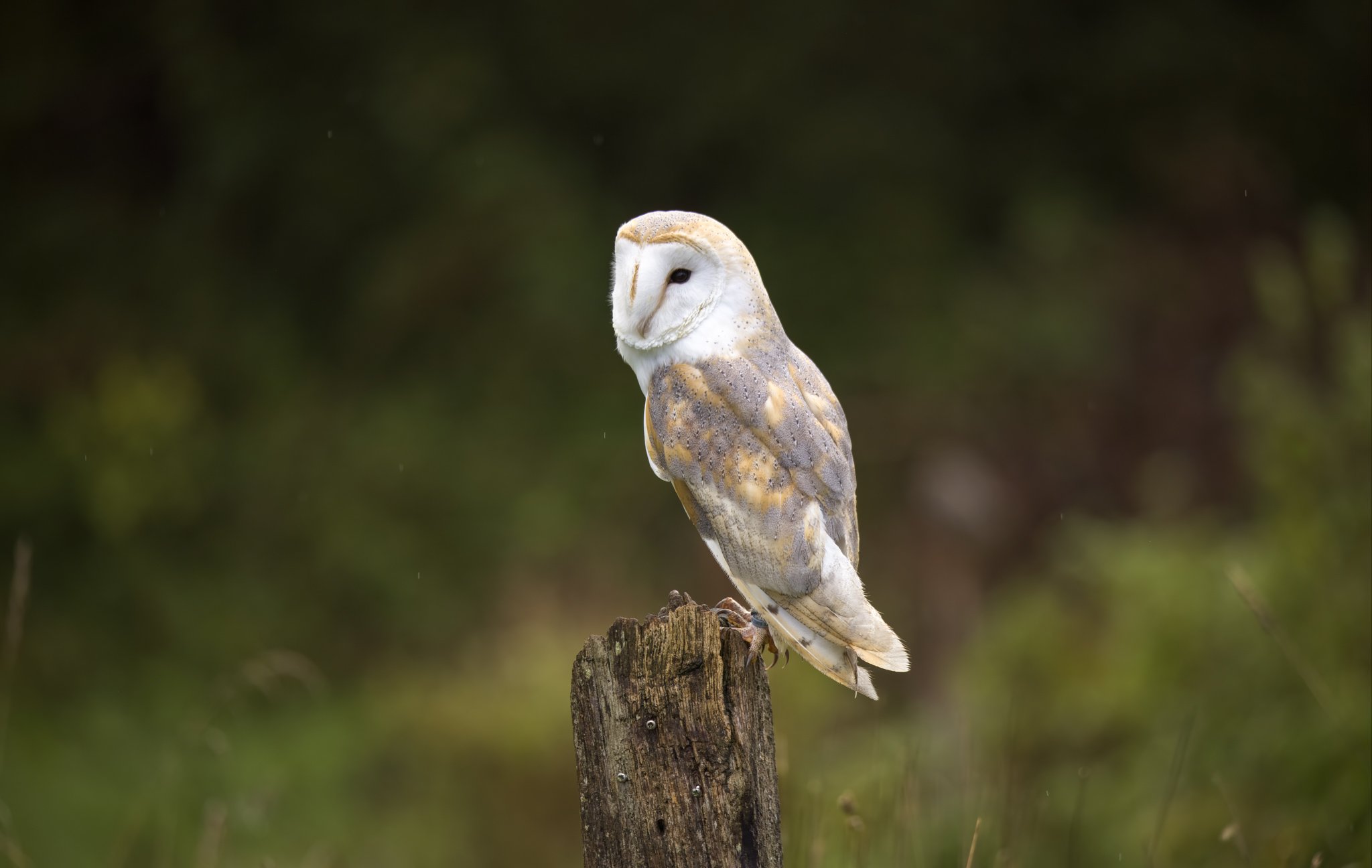
The silent flutter of wings at dusk, the piercing gaze of golden eyes in the moonlight—owls have long captivated human imagination. Yet beyond their mystical allure lies a fragile existence threatened by habitat loss, climate change, and unchecked industrial practices. Ethical consumerism, a movement rooted in mindful purchasing decisions, emerges as a beacon of hope for these nocturnal guardians. By aligning our wallets with our values, we don’t just buy products; we cast votes for the world we wish to inhabit. This article explores how ethical consumerism intersects with owl conservation, revealing unexpected pathways to protect these enigmatic birds and the ecosystems they inhabit.
The Ethical Consumer’s Arsenal: Tools for Avian Advocacy
Ethical consumerism isn’t merely a trend—it’s a paradigm shift in how we perceive our role in the marketplace. For owl conservation, this means leveraging purchasing power to support businesses that prioritize sustainability, biodiversity, and cruelty-free practices. Consumers can wield several tools in this endeavor: fair-trade certifications, which ensure that products like coffee and cocoa are sourced without encroaching on owl habitats; eco-certified wood products, which prevent deforestation in critical nesting grounds; and cruelty-free cosmetics, which avoid ingredients linked to habitat destruction. Even the choice of outdoor gear matters—opt for brands that commit to carbon-neutral shipping or donate a portion of profits to wildlife rehabilitation programs. Each transaction becomes a ripple in the pond of change, gradually reshaping industries to coexist harmoniously with nature.
From Farm to Forest: How Sustainable Agriculture Safeguards Owl Habitats
Agricultural expansion is a primary driver of deforestation, fragmenting owl territories into isolated pockets of wilderness. Ethical consumerism combats this by championing regenerative farming practices that restore rather than deplete. Shade-grown coffee, for instance, thrives under the canopy of native trees, providing owls with undisturbed hunting grounds and nesting sites. Similarly, organic farming eliminates the use of pesticides, which poison owls indirectly by decimating their prey—rodents and insects. By supporting small-scale farmers who employ agroforestry techniques, consumers help create a mosaic of habitats where owls can thrive. The ripple effect is profound: healthier soil, cleaner water, and a resurgence of biodiversity that extends far beyond the farm’s edge.
The Dark Side of Fast Fashion: How Your Wardrobe Affects Owls
The fashion industry is a voracious consumer of resources, from water-guzzling cotton fields to toxic dye runoff that poisons rivers. But its impact on owls is often overlooked. Deforestation for timber used in synthetic fabrics (like rayon) destroys old-growth forests, while overgrazing for leather contributes to habitat degradation. Ethical alternatives abound: organic cotton, hemp, and recycled materials reduce strain on ecosystems. Even the dyes matter—look for brands that use plant-based or low-impact colorants to avoid polluting waterways that owls and their prey depend on. The message is clear: a wardrobe built on sustainability is a wardrobe that safeguards the night skies.
Eco-Tourism and Citizen Science: Engaging Communities in Owl Protection
Ethical consumerism extends beyond products—it encompasses experiences that foster connection and stewardship. Eco-tourism, when done responsibly, channels tourism revenue into local conservation efforts. Imagine a lodge nestled in a temperate rainforest, where guests pay a premium to stay in solar-powered cabins and participate in nocturnal owl surveys. These funds can support habitat restoration, anti-poaching patrols, and community education programs. Meanwhile, citizen science initiatives invite the public to contribute to owl research, from reporting sightings to monitoring nest boxes. Such engagement doesn’t just raise awareness; it cultivates a sense of ownership among locals, turning passive observers into active protectors of owl populations.
The Corporate Crusade: How Big Business Can Be a Force for Good
While individual choices matter, systemic change requires the involvement of corporations. Ethical consumerism pressures businesses to adopt sustainable practices through demand and advocacy. Companies like Patagonia and IKEA have demonstrated that profitability and environmental responsibility can coexist. For owls, this means prioritizing supply chains that avoid deforestation, investing in renewable energy to reduce carbon footprints, and funding conservation partnerships. Even tech giants can play a role—by offsetting emissions through reforestation projects or developing apps that track owl migrations. The key lies in transparency: consumers must demand accountability, rewarding brands that publish sustainability reports and penalizing those that greenwash. In this corporate crusade, every shareholder meeting becomes a battleground for the future of owls.
The Ripple Effect: How Local Choices Shape Global Conservation
The impact of ethical consumerism isn’t confined to the regions where products are made or consumed. It’s a global phenomenon with cascading effects. For example, purchasing sustainably sourced palm oil (a major driver of deforestation in Southeast Asia) helps protect owls in tropical rainforests, which in turn supports carbon sequestration and climate regulation. Similarly, reducing plastic waste prevents microplastics from entering food chains, safeguarding the small mammals that owls rely on. The interconnectedness of ecosystems means that a single ethical choice can reverberate across continents, creating a web of protection for these nocturnal sentinels. In this way, ethical consumerism transcends borders, uniting disparate communities in a shared mission.
The Future of Owl Conservation: A Call to Action
The path forward demands more than passive support—it requires active participation. Start by auditing your consumption habits: swap disposable products for reusable ones, choose brands with transparent supply chains, and advocate for policies that protect wildlife corridors. Support organizations that merge ethical consumerism with conservation, such as those that certify owl-friendly products or fund habitat restoration. Educate others, too—whether through social media, local workshops, or simply conversations with friends. The fight for owls is a fight for the soul of our planet, where every ethical choice is a step toward a world where these creatures continue to haunt the night not in desperation, but in harmony.