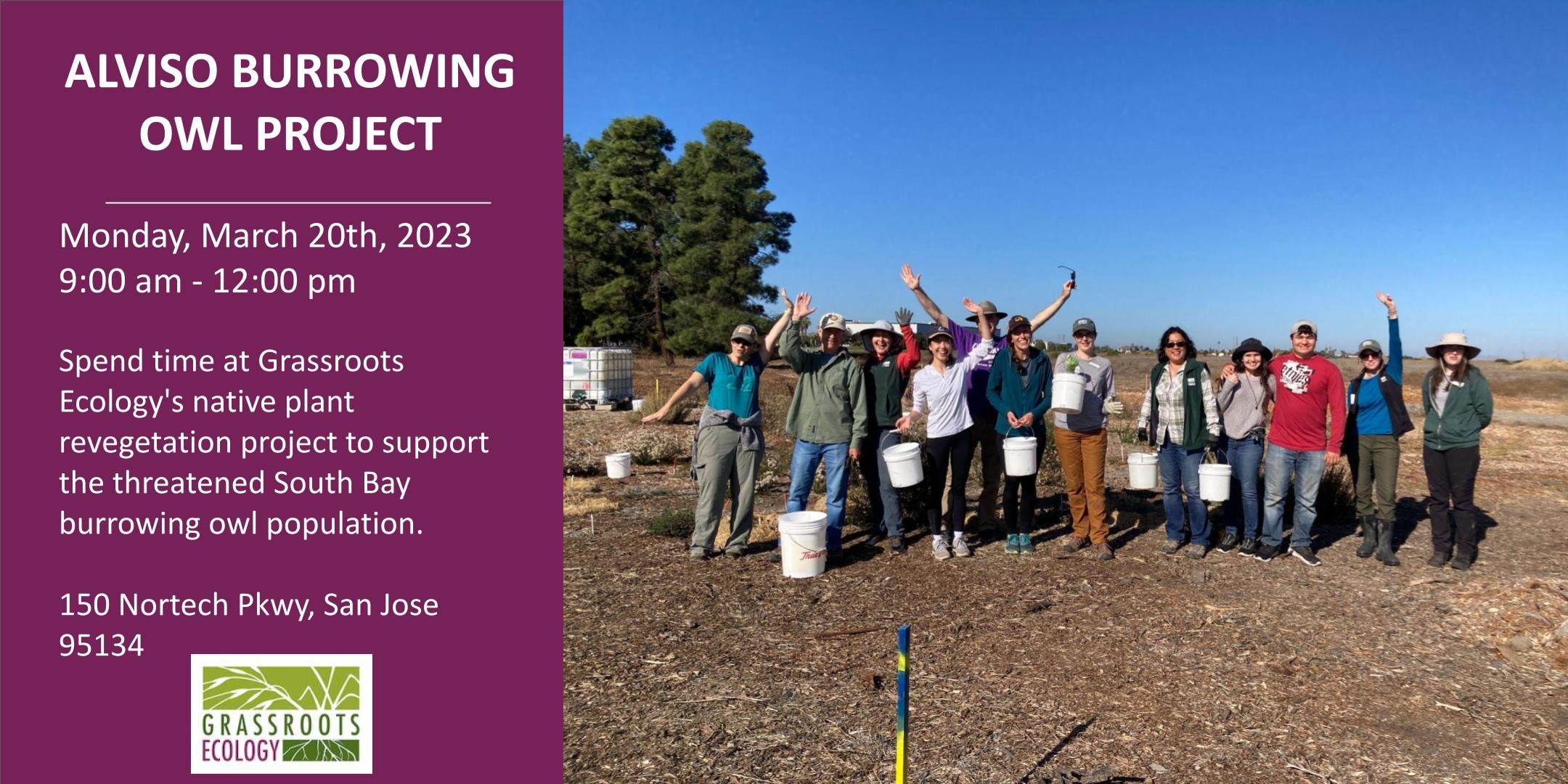
There’s a moment, just before dawn, when the world holds its breath. The air is crisp, the sky a canvas of fading stars, and the earth hums with the quiet promise of life stirring beneath the surface. This is the hour when the burrowing owl, a creature of paradox—both fierce and fragile—emerges from its sandy burrow to greet the day. For those who answer the call to volunteer in owl conservation, this moment becomes more than a fleeting observation; it becomes a transformation. It’s a shift from passive observer to active guardian, from curiosity to commitment. If you’ve ever felt the pull of the wild, the urge to stand not just in the presence of nature but as its ally, then owl conservation volunteering might be your next great awakening.
The Call of the Wild: Why Owls Need Guardians
Owls are not mere symbols of wisdom—they are sentinels of ecological balance, whispering secrets of the land through their haunting calls and piercing gaze. Yet, their existence is under siege. Habitat destruction, urban sprawl, and climate volatility have carved deep fissures in their world. The burrowing owl, in particular, faces a precarious existence, its underground homes bulldozed for development or trampled by invasive species. To volunteer is to answer a primal summons: to protect what cannot protect itself. It’s an act of rebellion against the tide of indifference, a declaration that some voices—even those as small as an owl’s chirp—deserve to be heard.
Consider the irony: these birds, masters of silent flight, are rendered helpless by forces beyond their control. Their survival hinges on human intervention—not just in the form of laws or conservation policies, but in the gritty, hands-on work of habitat restoration, nest monitoring, and community education. When you volunteer, you’re not just lending a hand; you’re becoming a lifeline. You’re part of a quiet revolution, one that says the natural world is not a resource to exploit but a heritage to preserve.

Where to Begin: Finding Your Owl Conservation Tribe
Not all volunteer opportunities are created equal. The right project will resonate with your spirit, challenge your skills, and leave you with a sense of purpose that lingers long after the work is done. Start by asking yourself: Do you thrive in the solitude of fieldwork, or do you find your calling in rallying communities? Are you drawn to the meticulous science of data collection, or does the idea of hands-on habitat restoration ignite your passion?
Look for organizations that prioritize transparency and impact. Seek out those that involve local stakeholders, ensuring your efforts are not just temporary fixes but sustainable legacies. Whether it’s a grassroots initiative in a rural landscape or a city-based program protecting urban owl populations, the best projects will make you feel like you’re part of something bigger than yourself. They’ll challenge you to see the world through new eyes—to notice the way a single burrow can be a lifeline for an entire family of owls, or how a restored prairie can become a haven for creatures great and small.
Don’t underestimate the power of networking. Talk to fellow volunteers, attend workshops, and immerse yourself in the stories of those who’ve walked this path before you. The owl conservation community is a tapestry of diverse voices, each with a unique perspective on how to heal the land. By joining them, you’re not just signing up for a task; you’re entering a fellowship of the wild.
The Art of Patience: What to Expect in the Field
Volunteering for owl conservation is not for the restless. It demands a stillness of spirit, a willingness to wait and watch. The rewards, however, are unparalleled. Picture this: you’re crouched in the dim light of a burrow entrance, your breath shallow, your senses attuned to the slightest rustle. Then, like a whisper from the earth itself, a pair of golden eyes appears. The owl regards you with a mix of curiosity and caution, its feathers ruffling in the breeze. In that moment, time dissolves. There is only you, the owl, and the fragile trust that has just been forged.
Fieldwork can be grueling. The sun beats down relentlessly, or the rain comes in sheets, turning the ground to mud. You might spend hours tracking elusive birds, deciphering their calls, or carefully documenting nest sites. But these are not mere tasks—they are rituals. Each step you take is a step toward understanding the intricate dance of survival that plays out in the wild. You’ll learn the language of the land: the way a certain plant signals a healthy habitat, or how the absence of owl calls at dusk can speak volumes about the health of an ecosystem.
And then there are the moments of serendipity. The discovery of a fledgling taking its first wobbly flight. The sight of a parent owl delivering prey to its hungry chicks. These are not just data points; they are stories. Stories that will stay with you, shaping how you see the world and your place in it.
Beyond the Burrow: Advocacy and Education
Conservation doesn’t end at the edge of a field or the mouth of a burrow. The real work begins when you bring what you’ve learned back to the world. Owls are ambassadors for the wild, and their plight can open doors to conversations about biodiversity, climate change, and humanity’s role in the natural world. Volunteer opportunities often extend beyond direct fieldwork to include education and advocacy—leading workshops, creating educational materials, or lobbying for policies that protect critical habitats.
Imagine standing before a room of wide-eyed students, their faces alight with wonder as you share the story of the burrowing owl. You’re not just teaching them facts; you’re planting seeds. Seeds of curiosity, of responsibility, of a future where humans and wildlife coexist in harmony. Or picture yourself at a city council meeting, presenting data that proves the importance of preserving a patch of land for owl nesting. Your voice becomes a bridge between science and policy, between indifference and action.
Education is the most potent tool in the conservation arsenal. It dismantles myths, challenges apathy, and fosters a culture of stewardship. When you volunteer in this capacity, you’re not just protecting owls—you’re nurturing a generation of earthkeepers.
The Ripple Effect: How Your Efforts Echo Through Time
It’s easy to feel small in the face of global crises. What difference can one person make in the grand scheme of things? But conservation is not about grand gestures; it’s about cumulative acts of love and dedication. Every hour you spend monitoring a nest, every seed you plant, every child you inspire—these are not isolated actions. They are ripples that spread outward, touching lives and landscapes in ways you may never see.
Consider the long-term impact. A restored habitat doesn’t just benefit owls; it supports pollinators, enriches the soil, and purifies the air. The skills you gain—patience, observation, resilience—will serve you in every aspect of life. The connections you forge will become a network of allies who share your passion. And the memories you create will become the stories you tell, inspiring others to take up the mantle of conservation.
There’s a profound alchemy in volunteering. It transforms not just the land but the volunteer. You’ll return from the field with a deeper understanding of your own capacity to make a difference. You’ll see the world with keener eyes, hear it with sharper ears, and feel its pulse with greater intensity. And when you hear the distant call of an owl on a quiet evening, you’ll know—you are part of its story now.