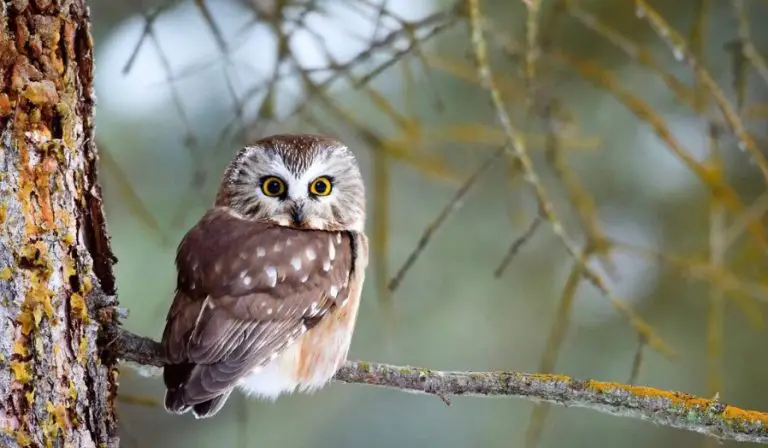
The night unfurls its velvet cloak, and in the hush of twilight, a single owl takes flight. Its wings, silent as a whispered secret, cut through the darkness. This solitary creature, often overlooked in the grand tapestry of nature, holds within it the power to shift ecosystems, inspire communities, and even alter human hearts. What if we told you that the fate of these enigmatic birds doesn’t rest solely in the hands of policymakers or conservation giants—but in yours? The power of one is not a cliché; it is a quiet revolution, a ripple that begins with a single choice, a solitary act of defiance against the tide of indifference. Today, we uncover how individual efforts can become the catalyst for change, transforming not just the lives of owls, but the very fabric of our shared world.
The Silent Guardians: Why Owls Matter More Than You Think
Owls are not mere nocturnal adornments; they are the unsung sentinels of ecological balance. These birds of prey, with their piercing gaze and razor-sharp talons, are apex predators that regulate rodent populations with surgical precision. A single barn owl, for instance, can consume over 1,000 rodents in a year, preventing crop destruction and the spread of disease. But their role extends beyond pest control. Owls are bioindicators—species whose presence or absence reveals the health of an ecosystem. A thriving owl population signals clean air, diverse habitats, and a thriving web of life. Conversely, their decline whispers warnings of environmental degradation, habitat fragmentation, and the creeping specter of climate change. To protect owls is to safeguard the intricate dance of life itself.
The Butterfly Effect of Conservation: How Small Actions Cascade into Change
Imagine a world where every discarded plastic bottle, every unchecked light pollution source, and every neglected tree hollow chips away at the survival of these feathered guardians. Now, picture the opposite: a single person planting native shrubs in their backyard, another installing a nest box, and a third advocating for dark-sky policies in their town. These acts, seemingly insignificant in isolation, create a domino effect of conservation. A nest box installed in a suburban garden may attract a pair of screech owls, which then prey on voles, reducing the need for chemical pesticides. The reduction in chemical use benefits not just the owls but the entire local food chain. Meanwhile, the awareness sparked by these efforts can inspire neighbors to follow suit, creating a ripple that extends far beyond the initial action. The butterfly effect isn’t just a theory—it’s a living, breathing testament to the power of individual agency.
Consider the story of a retired teacher in Oregon who, after noticing a decline in local owl sightings, began documenting their calls and sharing her findings with local wildlife agencies. Her data helped identify a critical habitat corridor that was later protected. Her story is a reminder that passion, paired with persistence, can unearth hidden truths and catalyze real-world change. The question isn’t whether one person can make a difference—it’s whether we dare to try.
From Backyard to Boardroom: Where to Start Your Owl Advocacy Journey
The path to owl conservation begins at your doorstep, but it doesn’t end there. Start small: turn off unnecessary outdoor lights at night to reduce light pollution, which disorients migrating owls and disrupts their hunting patterns. Plant native vegetation that supports the insects and small mammals owls rely on for food. Install a nest box tailored to the species in your region—barn owls, screech owls, and kestrels all have specific preferences. Even something as simple as keeping your cat indoors can save countless bird lives, including those of young owls fledging from nests.
But don’t stop at your backyard. Advocate for owl-friendly policies in your community. Push for the preservation of old-growth trees, which provide critical nesting sites. Support local initiatives that restore wetlands, where owls hunt for frogs and small mammals. Write to your representatives, urging them to fund conservation programs and enforce habitat protection laws. Join or donate to organizations that fight for owl conservation, from habitat restoration to research on migratory patterns. Every email sent, every dollar donated, and every conversation sparked is a thread in the larger tapestry of change.
The Psychology of Change: Why Your Efforts Resonate Far Beyond the Obvious
Human behavior is contagious. When we take action, we don’t just influence the world around us—we influence each other. Studies in social psychology show that people are more likely to adopt eco-friendly behaviors when they see others doing the same. This phenomenon, known as “social proof,” means that your decision to plant a native garden or install a nest box could inspire your neighbors to do the same. Over time, these collective actions can shift cultural norms, embedding conservation into the fabric of society. But the ripple effect doesn’t stop at behavior; it extends to perception. When you advocate for owls, you’re not just saving a species—you’re redefining humanity’s relationship with nature. You’re saying, “These creatures matter,” and in doing so, you invite others to see the world through a lens of stewardship rather than exploitation.
There’s also the matter of emotional connection. Owls, with their haunting calls and piercing eyes, have long captivated human imagination. They are symbols of wisdom, mystery, and even omens in folklore. When we protect owls, we’re not just preserving a species—we’re safeguarding a piece of our collective psyche. This emotional resonance is a powerful motivator. It’s why campaigns like “Adopt a Barn Owl” or “Symbolic Owl Sponsorships” resonate so deeply. People don’t just want to save owls; they want to feel connected to them, to be part of their story. Your efforts, no matter how small, feed into this narrative of connection and purpose.
The Unseen Battles: Overcoming Apathy and the Illusion of Powerlessness
Yet, for all its promise, the path of individual conservation is fraught with challenges. Apathy is a formidable foe, and the scale of environmental crises can feel paralyzing. How can one person’s actions matter when the Amazon burns, when oceans choke on plastic, and when entire species blink out of existence? The answer lies in reframing the narrative. Instead of asking, “Can one person really make a difference?” ask, “What difference will I make?” The illusion of powerlessness is a trap, a mental construct that keeps us from acting. But the truth is, every major conservation victory—from the recovery of the bald eagle to the reintroduction of the California condor—began with a single voice, a solitary act of defiance.
Consider the case of a young girl in Sweden who, after learning about the plight of the great gray owl, started a social media campaign to raise awareness. Her efforts caught the attention of local media, which then pressured authorities to protect critical habitats. Within a year, new conservation policies were enacted. Her story is a testament to the fact that passion, paired with action, can move mountains. The key is to start where you are, with what you have. You don’t need to be a scientist or a politician to make a difference. You just need to care—and then let that care guide your actions.
A Call to Wings: Your Role in the Owl’s Tale
The night is still young, and the owl’s wings beat the air, a whisper of hope in the dark. But hope alone won’t save these guardians of the twilight. It takes action—yours, mine, ours. The power of one is not a myth; it’s a reality waiting to be seized. Whether you plant a single native shrub, install a nest box, or simply share this story with a friend, you are part of something greater than yourself. You are a thread in the tapestry of conservation, a voice in the chorus of change.
So, the next time you hear the haunting call of an owl, don’t just listen—act. Let its cry be a reminder that the world needs you, not as a hero, but as a steward. The fate of owls, and indeed the fate of our planet, rests in the hands of those willing to take the first step. Will you answer the call?