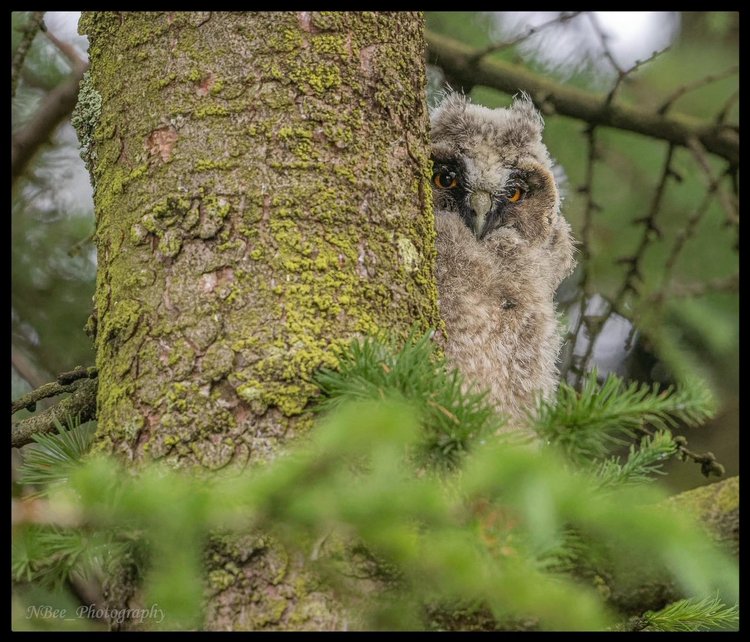
What if the key to saving our feathered night watchers—the owls—lay not in the hands of governments or vast conservation NGOs, but in the collective power of everyday people armed with nothing more than a laptop and a dream? Crowdfunding, that digital alchemy of small contributions and big aspirations, has emerged as an unlikely yet vital force in owl conservation. It’s a story of tiny donations snowballing into life-changing projects, where a passionate birder in Tokyo can fund a nest box in the Scottish Highlands, or a classroom in Buenos Aires can bankroll research on the elusive burrowing owl. But can this grassroots magic truly scale up to meet the towering challenges facing these enigmatic birds?
The Dawn of Digital Conservation: How Crowdfunding Took Flight
Crowdfunding didn’t just stumble into the conservation arena—it soared in on the wings of necessity. Traditional funding streams for owl projects, from government grants to private endowments, often come with labyrinthine application processes and glacial approval timelines. Enter platforms like Kickstarter, GoFundMe, and specialized conservation hubs such as Experiment.com, where a single compelling pitch can unlock thousands in a matter of days. The democratization of funding has allowed researchers, citizen scientists, and even indigenous communities to bypass bureaucratic hurdles and dive straight into action.
Consider the case of a fledgling owl rescue center in Oregon, which raised over $80,000 in three months to expand its facilities. The funds didn’t come from a single deep-pocketed donor but from 1,200 individuals who each chipped in an average of $67. This isn’t charity; it’s crowdfunding as a form of participatory conservation, where every donor becomes a stakeholder in the project’s success. The psychological impact is profound: contributors don’t just give money—they give hope, and in doing so, they weave themselves into the narrative of conservation itself.
The Owl’s Dilemma: Why These Birds Need Our Help Now
Owls are the silent sentinels of ecosystems, their haunting calls echoing through forests and grasslands. Yet, their populations are in freefall. Habitat destruction, rodenticide poisoning, climate change, and even the humble wind turbine are conspiring to shrink their numbers. The barn owl, for instance, has seen a 70% decline in parts of Europe over the last half-century. In North America, the burrowing owl’s grassland habitats are being paved over at a rate that outpaces even the speed of its nocturnal hunts.
Here’s the paradox: owls are both revered and reviled. Revered as symbols of wisdom and mystery, yet reviled as pests when they encroach on human spaces. This duality makes them perfect candidates for crowdfunded conservation—projects that can humanize these birds, turning fear into fascination and apathy into action. A well-crafted crowdfunding campaign doesn’t just ask for money; it asks for empathy. It transforms abstract statistics into tangible stories: the barred owl displaced by invasive species, the snowy owl starving in a warming Arctic, the little owl crushed under the weight of agricultural intensification.
From Pixels to Perches: The Anatomy of a Successful Owl Crowdfunding Campaign
Not all crowdfunding campaigns are created equal. The most successful ones are less about begging and more about storytelling. They begin with a hook—a question that lingers like an owl’s gaze. “What if we could bring back the ghostly call of the eastern screech-owl to the forests of Appalachia?” Or, “Can a single nest box save a species on the brink?” The best campaigns also leverage the power of visuals. A time-lapse of a barn owl chick fledging, a drone shot of a rehabilitated owl’s release into the wild—these aren’t just images; they’re emotional triggers.
Transparency is another cornerstone. Backers need to know exactly where their money is going: $50 buys a GPS tracker, $200 funds a habitat restoration day, $1,000 covers a year of research. Platforms like iNaturalist and eBird allow real-time updates, turning donors into virtual field assistants. And let’s not forget the role of gamification. Leaderboards showing top contributors, stretch goals that unlock new milestones, and exclusive behind-the-scenes content all keep the momentum alive.
The Achilles’ Heel: Challenges of Crowdfunded Conservation
Yet, for all its promise, crowdfunding is not a panacea. The biggest hurdle? Sustainability. A one-off campaign might fund a nest box or a research trip, but what happens when the money runs out? Owl conservation isn’t a sprint; it’s a marathon. Habitat restoration, long-term monitoring, and community education require continuous funding. Some projects pivot to membership models or adopt a “pay-what-you-can” approach, but others fizzle out once the initial hype dies down.
There’s also the specter of donor fatigue. In a world where every worthy cause vies for attention, how do owl projects stand out? The answer lies in niche appeal. A campaign focused on the rare spectacled owl in the Amazon might attract a dedicated following, while a broader “save all owls” pitch could get lost in the noise. And then there’s the issue of accountability. With no centralized oversight, how do backers know their money is being used ethically? Reputable platforms vet projects, but the onus is on donors to do their due diligence.
Beyond the Nest Box: Innovative Crowdfunding Strategies for Owl Conservation
Crowdfunding isn’t just about raising money—it’s about raising awareness. Some projects leverage the power of citizen science, turning backers into data collectors. The “Owl Watch” initiative in Australia, for example, recruited volunteers to monitor owl populations using smartphone apps, with crowdfunded prizes for the most active participants. Others tap into the gig economy, offering “adopt-a-owl” packages where donors receive updates on “their” bird’s progress.
Then there’s the role of corporate partnerships. Some campaigns team up with eco-conscious brands, where a percentage of sales from owl-themed merchandise goes to conservation. Others collaborate with artists, turning scientific illustrations into limited-edition prints sold exclusively to backers. The key is to think outside the nest box—to transform conservation from a transaction into an experience.
The Ripple Effect: How Crowdfunding Changes Conservation Narratives
The true magic of crowdfunding lies in its ripple effect. A successful owl project doesn’t just save a few birds; it inspires a movement. It proves that ordinary people can be heroes. It shifts the narrative from despair to hope. And it creates a feedback loop: as more people engage with owl conservation, the more they demand action from policymakers, corporations, and institutions.
Take the story of the snowy owl, once a symbol of Arctic resilience, now a casualty of climate change. A crowdfunded study in Canada tracked their migratory patterns, revealing critical stopover sites that were later protected. The project didn’t just gather data—it galvanized public support for stronger environmental policies. In this way, crowdfunding becomes a catalyst for systemic change.
Conclusion: The Future of Owl Conservation is Crowdfunded
Owls may be silent, but their conservation story is anything but. It’s a tale of collaboration, creativity, and sheer determination. Crowdfunding has democratized conservation, turning every person with an internet connection into a potential guardian of the night. But it’s not without its challenges—sustainability, donor fatigue, and accountability remain hurdles to overcome. The future of owl conservation will likely be a hybrid model, where crowdfunding complements traditional funding streams, creating a robust ecosystem of support.
So, the next time you hear the hoot of an owl outside your window, ask yourself: could you be part of its story? Not as a passive observer, but as an active participant in its survival. The tools are at your fingertips. The owls are waiting.