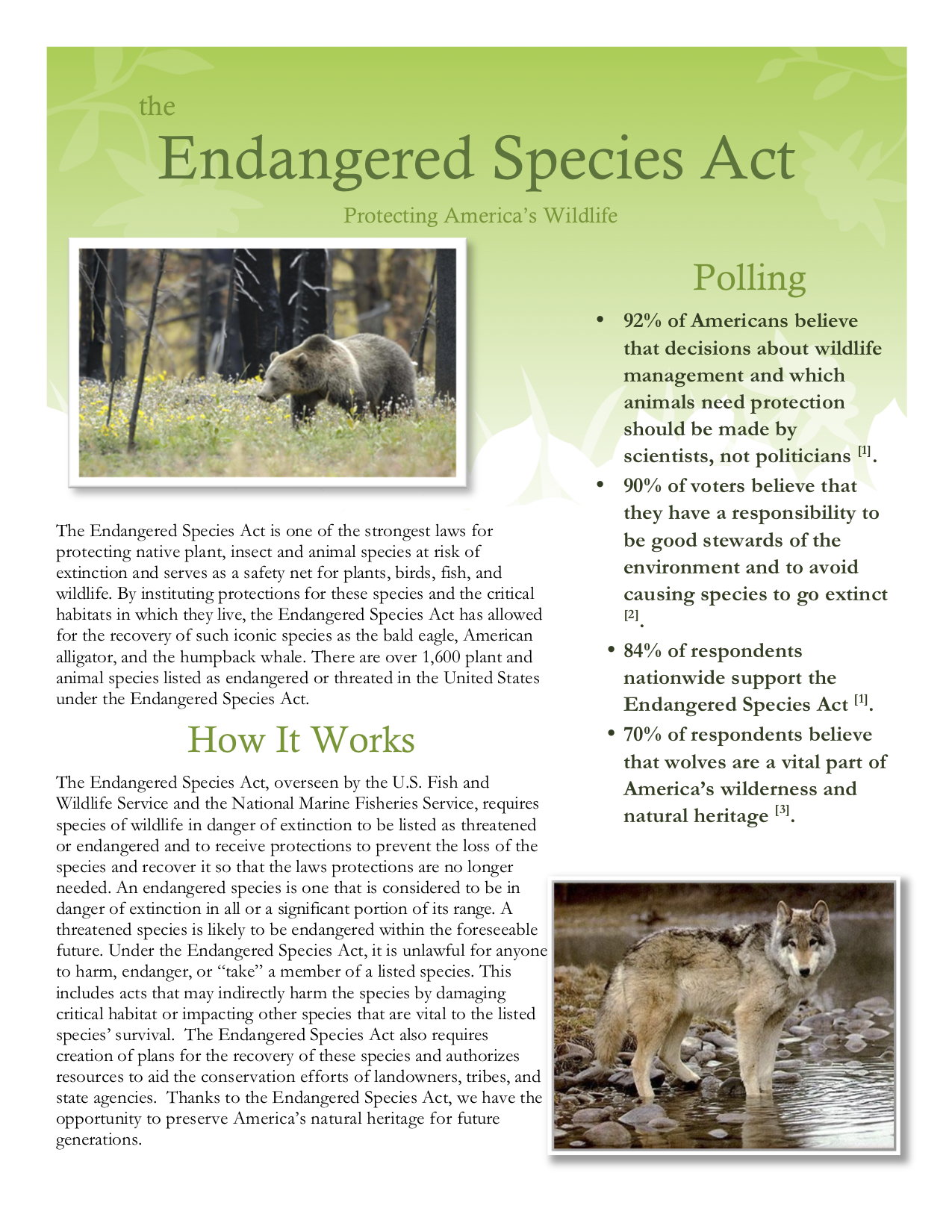
The Endangered Species Act (ESA) stands as a monumental legislative achievement, a bulwark against the relentless tide of biodiversity loss. Enacted in 1973, this cornerstone of environmental policy has safeguarded countless species from the brink of extinction, weaving a complex tapestry of legal protections that extend from the vast expanse of the Arctic tundra to the dense canopies of the Pacific Northwest. Among the myriad creatures that have benefited from its provisions, owls—those enigmatic, silent sentinels of the night—occupy a unique and often contentious position. This article delves into the intricate interplay between the ESA and owl conservation, exploring the legal frameworks that govern their protection, the challenges that arise in their implementation, and the broader implications for ecosystems teetering on the edge of collapse.
The Endangered Species Act: A Legal Lifeline for Vanishing Avians
The ESA is not merely a statute; it is a dynamic, evolving instrument of ecological justice. Its core mandate is simple yet profound: to prevent the extinction of imperiled species and to recover those already on the brink. For owls, a group of birds whose populations have been decimated by habitat destruction, climate change, and human encroachment, the ESA has served as both shield and sword. The Act’s provisions empower federal agencies like the U.S. Fish and Wildlife Service (USFWS) to designate species as endangered or threatened, triggering a cascade of legal protections that include habitat conservation, restrictions on take (harm, harassment, or killing), and the development of recovery plans.
Owls, with their nocturnal habits and often elusive nature, present unique challenges in enforcement. Unlike charismatic megafauna such as bald eagles or gray wolves, owls lack the same public visibility, making their plight less immediately apparent to policymakers and the public alike. Yet, their ecological roles are nothing short of pivotal. As apex predators, owls regulate prey populations, maintain food web balance, and serve as indicators of environmental health. The ESA’s recognition of this interconnectedness underscores its relevance to owl conservation, transforming legal protections into ecological necessities.
Habitat Designation: The Battleground of Conservation
At the heart of the ESA’s efficacy lies the designation of critical habitat—a legally defined area essential for a species’ survival and recovery. For owls, critical habitat designation is often a flashpoint of contention, pitting conservationists against developers, loggers, and agricultural interests. The northern spotted owl (*Strix occidentalis caurina*), for instance, became a symbol of this struggle in the 1990s, when its listing under the ESA led to heated debates over old-growth forest logging in the Pacific Northwest. The resulting legal battles reshaped forest management policies, illustrating how habitat designation can catalyze systemic change—or ignite fierce resistance.
Yet, critical habitat is not a static concept. It must adapt to shifting ecological realities, including the encroachment of invasive species, the fragmentation of landscapes, and the creeping impacts of climate change. The ESA’s flexibility allows for revisions to habitat designations, but this adaptability also introduces uncertainty. Conservationists argue for expansive protections to account for future threats, while opponents warn of overreach that could stifle economic activity. The tension between preservation and progress is palpable, demanding nuanced legal and scientific discourse to strike a balance that serves both owls and human communities.
Legal Challenges and the Courts: Owls as Unlikely Protagonists
The courtroom has become an unlikely arena for owl conservation, where legal challenges test the boundaries of the ESA’s reach. Environmental groups frequently file lawsuits to compel agencies to list species, designate critical habitat, or enforce existing protections. The northern spotted owl’s legal saga is a case in point, with lawsuits filed by conservation organizations forcing the USFWS to reassess its habitat protections in response to declining populations. These legal battles are not merely procedural skirmishes; they shape the trajectory of owl conservation, setting precedents that ripple across the legal landscape.
One of the most contentious issues in ESA litigation is the concept of “take,” which encompasses any action that harms or harasses a listed species. For owls, take can occur through indirect means—such as habitat destruction that disrupts nesting sites or the use of rodenticides that poison their prey. The legal interpretation of take has evolved over time, with courts increasingly recognizing the cumulative impacts of human activities on owl populations. This evolution reflects a growing awareness of the interconnectedness of ecological systems, where even seemingly minor disruptions can have cascading consequences.
Recovery Plans: The Roadmap to Reversal
Under the ESA, the development of recovery plans is a critical step toward delisting species and ensuring their long-term survival. For owls, recovery plans are meticulously crafted documents that outline specific actions to address threats, restore habitats, and monitor populations. The northern spotted owl’s recovery plan, for example, includes provisions for captive breeding, habitat restoration, and adaptive management strategies to address the encroachment of barred owls—a more aggressive competitor that has exacerbated the spotted owl’s decline.
Yet, recovery plans are not without their critics. Some argue that they are overly optimistic, setting unattainable goals in the face of relentless environmental pressures. Others point to the slow pace of implementation, noting that bureaucratic inertia can delay critical actions for years. The challenge lies in crafting recovery plans that are both ambitious and pragmatic, balancing the urgency of conservation with the realities of political and economic constraints. For owls, whose populations often teeter on the edge of viability, the stakes could not be higher.
Climate Change: The Invisible Threat Looming Over Owls
As the specter of climate change looms larger, its impacts on owl populations are becoming increasingly apparent. Shifting temperature regimes, altered precipitation patterns, and the intensification of extreme weather events are reshaping habitats at an unprecedented rate. For owls, which rely on specific ecological conditions for nesting, foraging, and survival, these changes pose existential threats. The ESA’s ability to address climate-related threats is limited, as the Act was not designed to tackle the systemic, global-scale challenges of a warming planet. Yet, legal scholars and conservationists are exploring innovative ways to integrate climate adaptation into ESA implementation, from revising critical habitat designations to incorporating climate projections into recovery plans.
The intersection of climate change and owl conservation highlights a broader tension within environmental law: the need to address immediate, localized threats while preparing for the long-term, systemic challenges of a changing world. For owls, this means confronting not only the visible scars of habitat destruction but also the invisible forces of a planet in flux. The ESA, with its adaptive framework, offers a glimmer of hope—but only if it can evolve to meet the demands of an uncertain future.
The Future of Owl Conservation: A Call to Action
The story of owls under the ESA is one of resilience, conflict, and hope. It is a narrative that underscores the power of legal protections to alter the fate of species, while also revealing the limitations of a system that must constantly adapt to new challenges. For owls, the road to recovery is fraught with obstacles, from legal battles to climate change, but it is a road worth traveling. The ESA’s legacy is not merely in the species it has saved but in the ecosystems it has preserved, the legal precedents it has set, and the public consciousness it has awakened.
As we look to the future, the fate of owls—and indeed, all endangered species—will depend on our collective commitment to conservation. This means supporting robust enforcement of the ESA, advocating for policies that address the root causes of biodiversity loss, and fostering a culture of stewardship that recognizes the intrinsic value of every living creature. For owls, the night may be dark, but it is not without hope. With the right legal tools, scientific innovation, and public will, we can ensure that their haunting calls continue to echo through the forests for generations to come.