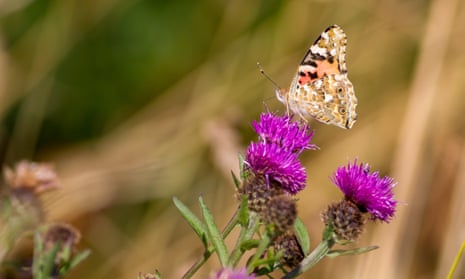
The silent wings of the night have carried more than just shadows across our skies. They have borne witness to a crisis unfolding in the underbrush, where the hum of wings—once a symphony of biodiversity—now falters. The decline of owls, those enigmatic sentinels of the nocturnal world, is not an isolated tragedy. It is a harbinger, a canary in the coal mine, signaling a deeper unraveling of ecosystems. At the heart of this collapse lies the insect apocalypse, a phenomenon so vast and insidious that its tendrils reach into every corner of the natural world. To understand the connection between these two declines is to peer into the fragile web of life, where every thread is interwoven with another.
The Silent Wings: Why Owls Are the Canaries of the Night
Owls are the embodiment of stealth and precision, their existence a testament to evolutionary mastery. Yet, their silent flight masks a growing vulnerability. These birds of prey, once ubiquitous across forests, grasslands, and even urban peripheries, are now vanishing at an alarming rate. The reasons are multifaceted: habitat fragmentation, pesticide poisoning, and the cascading effects of prey scarcity. But the most insidious threat is the dwindling of their primary sustenance—insects. Without a thriving insect population, owls face starvation, reduced breeding success, and eventual local extinction. Their decline is not just a loss of charismatic wildlife; it is a symptom of a planet losing its balance.
Consider the barn owl, a species that once thrived in agricultural landscapes. Its decline mirrors the collapse of rodent populations, which in turn are tied to the disappearance of insects. Without beetles, moths, and crickets to sustain the rodents that owls hunt, the entire food chain frays. This is the domino effect of ecological imbalance, where the absence of one species reverberates through the trophic levels. Owls, as apex predators in their niche, are the first to feel the tremors of this collapse. Their silence is not just a metaphor; it is a warning.
The Insect Apocalypse: A Silent Crisis Unfolding
The term “insect apocalypse” evokes images of a catastrophic event, yet this crisis unfolds in slow motion, almost imperceptibly. Insects, the unsung heroes of pollination and decomposition, are disappearing at a rate that defies comprehension. Studies suggest that over 40% of insect species are in decline, with a third threatened by extinction. The causes are manifold: intensive agriculture, urban sprawl, climate change, and the relentless use of pesticides. Neonics, a class of neurotoxic chemicals, have been particularly devastating, impairing the navigational abilities of bees and the reproductive health of butterflies.
But the impact extends far beyond pollinators. Ground-dwelling insects, such as beetles and crickets, form the bedrock of food webs. Their decline starves insectivorous birds, which in turn affects raptors like owls. The loss of these tiny creatures is not just a tragedy for biodiversity; it is a threat to human survival. Insects pollinate 75% of global food crops, and their disappearance would unravel the very foundations of agriculture. The insect apocalypse is not a distant threat—it is happening now, and its consequences are reverberating through every ecosystem, including those that owls call home.
The Trophic Cascade: How Insect Decline Starves Owls
To grasp the connection between owl decline and the insect apocalypse, one must understand the concept of trophic cascades—a domino effect where the loss of one species triggers a chain reaction through the food web. Owls, as secondary or tertiary consumers, rely on a steady supply of prey, primarily small mammals and insects. When insect populations plummet, the prey base for these mammals shrinks, leading to their decline. With fewer rodents and insects to hunt, owls face starvation, reduced reproductive success, and increased competition for dwindling resources.
This cascade is not linear but cyclical. As owls disappear, rodent populations may initially surge due to the lack of predation. However, without insects to sustain them, these rodents eventually face their own collapse, leaving owls with nothing to eat. The result is a feedback loop of decline, where each species’ struggle exacerbates the others’. In agricultural landscapes, this dynamic is particularly pronounced. The conversion of diverse habitats into monocultures strips away the floral diversity that supports insect populations, leaving owls and their prey with barren hunting grounds.
Habitat Loss: The Double-Edged Sword
Habitat loss is the great equalizer, a force that binds the fates of owls and insects. For owls, the destruction of old-growth forests and the encroachment of urban sprawl eliminate nesting sites and hunting grounds. For insects, the same processes erase the microhabitats they depend on—rotting logs, wildflower meadows, and undisturbed soil. The fragmentation of landscapes isolates populations, reducing genetic diversity and increasing vulnerability to disease and environmental stressors.
Consider the hedgerows that once crisscrossed farmlands, providing shelter for insects and small mammals alike. Today, these vital corridors are disappearing, replaced by vast expanses of chemically treated crops. The loss of hedgerows not only diminishes insect populations but also disrupts the hunting patterns of owls, which rely on these linear habitats to locate prey. Without them, owls must expend more energy searching for food, leading to lower survival rates and reduced breeding success. The decline of owls and insects is thus a shared tragedy, rooted in the same human-driven transformations of the landscape.
The Pesticide Paradox: A Toxic Legacy
Pesticides are the double-edged sword of modern agriculture. While they protect crops from pests, they also poison the very species that sustain ecosystems. Neonicotinoids, for instance, have been linked to the collapse of bee populations, but their effects extend far beyond pollinators. These chemicals accumulate in the soil and water, poisoning insects that form the base of the food web. When owls consume contaminated prey, they too become victims of this toxic legacy.
The paradox is stark: the chemicals designed to boost agricultural yields are undermining the natural systems that make farming possible. In regions where pesticide use is intensive, owl populations have been observed to decline more rapidly. The survivors often exhibit signs of physiological stress, such as weakened immune systems and reduced fertility. This is not just an ecological crisis; it is a public health issue, as the same chemicals that harm owls and insects can find their way into human food and water supplies.
Climate Change: The Invisible Threat Multiplier
Climate change acts as a threat multiplier, amplifying the pressures on both owls and insects. Rising temperatures disrupt the delicate synchrony between species, such as the timing of insect emergence and the breeding cycles of owls. In some regions, warmer winters have led to the premature emergence of insects, leaving them vulnerable to late frosts or mismatched with the arrival of migratory birds. For owls, these shifts can mean feast or famine, as prey becomes scarce or unpredictably abundant.
The impact of climate change is not uniform. In boreal forests, warming temperatures may initially benefit some insect species, leading to temporary booms in prey availability. However, as the climate continues to destabilize, these short-term gains are likely to be outweighed by long-term losses. Droughts, wildfires, and extreme weather events further degrade habitats, leaving both owls and insects with fewer places to thrive. The result is a landscape that is increasingly inhospitable, where survival depends on adaptability—a trait that few species possess in the face of such rapid change.
Conservation in Action: Hope Amid the Collapse
Despite the grim outlook, there is hope. Conservation efforts around the world are beginning to reverse the tide, proving that even the most entrenched ecological crises can be addressed. In Europe, agri-environment schemes have incentivized farmers to restore hedgerows and wildflower margins, creating havens for insects and the prey they support. In North America, the reintroduction of native plants in urban and suburban areas has bolstered insect populations, benefiting owls and other insectivorous birds.
Community-led initiatives are also making a difference. Citizen science projects, such as bird counts and insect monitoring, provide valuable data that informs conservation strategies. Meanwhile, the banning of certain pesticides, such as neonicotinoids in the European Union, has shown that policy changes can yield tangible benefits for biodiversity. These efforts underscore a crucial truth: the fate of owls and insects is not sealed. With concerted action, we can restore balance to ecosystems and ensure that the silent wings of the night continue to grace our skies.
The connection between owl decline and the insect apocalypse is a stark reminder of the fragility of life on Earth. It is a story of interconnectedness, where the loss of tiny creatures ripples through the food web, ultimately affecting even the most formidable predators. But it is also a story of resilience, of species adapting and ecosystems healing when given the chance. The road to recovery is long and arduous, but it is a journey worth taking—for the sake of the owls, the insects, and the countless other species that depend on them.