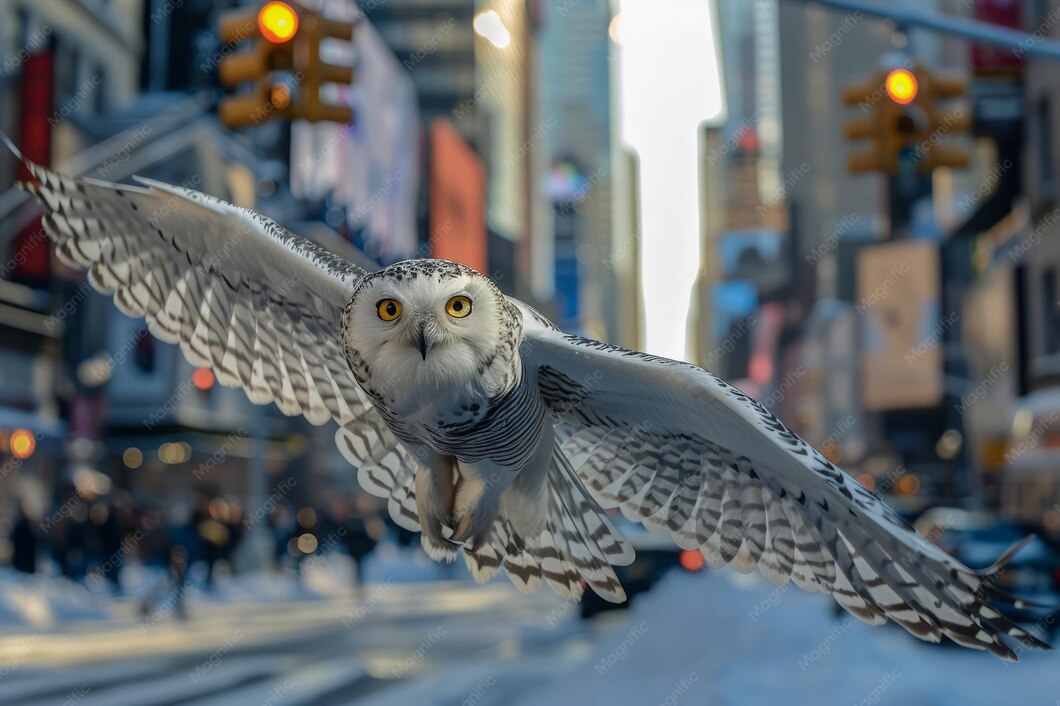
The modern cityscape is often painted as a concrete jungle, a place where nature retreats into the shadows. Yet, if you pause and listen closely, you might hear the soft, muffled hoots of an owl drifting through the urban symphony of honking cars and distant sirens. Owl watching in cities is no longer a whimsical fantasy—it’s a burgeoning reality. These nocturnal sentinels have adapted to the urban sprawl, turning lampposts into perches and rooftops into hunting grounds. For the intrepid urban naturalist, cities offer unexpected sanctuaries where the wild still thrives, if only you know where to look.
The Enigmatic Allure of Urban Owls: Why Cities Are Their New Hunting Grounds
Owls, those silent architects of the night, have long been symbols of wisdom and mystery. In cities, their presence is a testament to nature’s resilience. Urban environments, with their dense foliage in parks and tree-lined boulevards, mimic the fragmented forests owls once called home. The abundance of rodents—thanks to discarded food and poorly sealed trash—creates a smorgasbord of prey. Meanwhile, the verticality of buildings offers vantage points that rival the tallest trees. From the Great Horned Owl’s stealthy glide between skyscrapers to the diminutive Eastern Screech-Owl’s camouflage among ivy-clad walls, cities have become unexpected arenas of avian prowess. The juxtaposition of steel and feathers is not just poetic; it’s a survival strategy.
Parks and Green Spaces: The Heartbeat of Urban Owl Activity
No urban owl-watching expedition is complete without a pilgrimage to the city’s green lungs. Central Park in New York, Hyde Park in London, and the sprawling gardens of Tokyo’s Ueno Park are not just recreational spaces—they’re hunting grounds. Here, owls capitalize on the rich biodiversity fostered by meticulously curated landscapes. The Great Horned Owl, a formidable predator, often stakes out the edges of these parks, where open meadows meet dense woodlands. Listen for their deep, resonant hoots at dusk, a sound that carries effortlessly through the still evening air. Smaller species like the Barred Owl prefer the seclusion of old-growth trees, their striped plumage blending seamlessly with the bark. Even the diminutive Saw-whet Owl, no larger than a soda can, can be found in urban woodlots, its high-pitched toots a whispered secret among the leaves.
But it’s not just the trees that matter. The underbrush, often overlooked by human visitors, teems with life—voles, shrews, and insects—all fair game for a hungry owl. The key is patience. Arrive before sunset, find a quiet bench, and let the park’s rhythms unfold. The first rustle of leaves might not be the wind; it could be the silent descent of a Barn Owl, its heart-shaped face scanning the ground for movement.
Industrial Zones and Abandoned Structures: The Unlikely Havens
Where industry hums and human activity wanes, owls find refuge. Abandoned warehouses, derelict factories, and even the skeletal remains of old bridges become impromptu roosts. The Short-eared Owl, a nomadic wanderer, is particularly fond of these open, windswept landscapes, where it can quarter the ground like a feathered harrier. Its erratic flight, a dance of precision, is a spectacle to behold as it hunts over cracked asphalt and overgrown lots. Meanwhile, the Long-eared Owl, with its eerie orange eyes and streaked plumage, favors dense thickets of evergreens—often planted in industrial parks or along railway corridors. These areas, though seemingly desolate, are teeming with the rodents that owls crave, making them veritable buffets in the dead of night.
Even active industrial sites can harbor owls. The glare of floodlights and the constant hum of machinery create a paradoxical sanctuary—one where the noise masks the owl’s presence, allowing it to hunt undisturbed. Look for telltale signs: whitewash splatters beneath a bridge’s girders or the regurgitated pellets of bones and fur beneath a factory’s eaves. These are the calling cards of a resident owl, a silent tenant in a world of steel and smoke.
Waterfronts and Riverbanks: Where the Night Comes Alive
Rivers and canals are the city’s lifelines, and for owls, they’re dining tables. The Barn Owl, in particular, is drawn to these riparian zones, where the abundance of waterfowl, fish, and amphibians ensures a steady meal. Urban waterfronts, with their mix of concrete embankments and reed beds, offer the perfect blend of hunting grounds and roosting sites. The tawny plumage of the Barn Owl blends seamlessly with the golden hues of a sunset over the water, making it a master of disguise. Listen for its eerie, tremolo call—a sound that echoes across the water like a ghostly lullaby.
But it’s not just the Barn Owl that thrives here. The Snowy Owl, a visitor from the Arctic tundra, has been spotted along northern city waterfronts during winter, drawn by the milder temperatures and the promise of waterfowl. Its stark white feathers stand out against the urban backdrop, a ghostly apparition gliding low over the ice. Meanwhile, the Black-crowned Night-Heron, though not an owl, shares these habitats, its presence a reminder that cities are ecosystems, not just concrete jungles.
Residential Neighborhoods: The Subtle Intruders
Even in the most manicured suburbs, owls have carved out a niche. The Eastern Screech-Owl, a master of camouflage, can be found in quiet residential areas, its gray or rufous plumage blending with the bark of oak trees or the siding of old houses. These owls are opportunists, nesting in abandoned woodpecker holes or even man-made structures like nest boxes. Their tremolo calls, often mistaken for a horse’s whinny, are a familiar sound in many backyards. The Western Screech-Owl, its cousin in the west, performs a similar role, its high-pitched hoots a nocturnal serenade in suburban cul-de-sacs.
But it’s not just the small owls that venture into human territory. The Great Horned Owl, with its piercing yellow eyes and formidable talons, has been known to nest in the heart of residential areas, often in the crooks of large trees or even on the ledges of apartment buildings. Their presence is a reminder that nature is not confined to designated green spaces—it adapts, thrives, and sometimes, surprises.
Tips for Successful Urban Owl Watching: Patience, Silence, and a Dash of Luck
Urban owl watching is as much about observation as it is about luck. To maximize your chances, start by familiarizing yourself with the local owl species and their calls. Apps like Merlin Bird ID can be invaluable tools, allowing you to identify hoots and screeches in real-time. Next, scout your chosen location during the day. Look for signs of owl activity—whitewash on trees, pellets on the ground, or the telltale claw marks on bark. These are the breadcrumbs leading you to your quarry.
Timing is everything. Owls are most active at dawn and dusk, but in cities, they may adjust their schedules to avoid human activity. Arrive early, find a quiet spot, and let the city’s rhythms settle. Bring a pair of binoculars and a flashlight with a red filter—owls are less sensitive to red light, and it won’t spook them. Above all, be patient. Owls are elusive, and their presence is often fleeting. But when you finally spot one, perched silently on a lamppost or gliding low over a park, the moment is nothing short of magical.
The Ethical Owl Watcher: Respecting Urban Wildlife
As with any form of wildlife watching, ethics are paramount. Never disturb an owl’s nest or roost—these birds are already navigating the challenges of urban life, and stress can be detrimental to their survival. Keep a respectful distance, and avoid using playback calls to lure owls closer. While it might seem harmless, it can disrupt their natural behaviors and even attract predators. Instead, let the owl come to you. The thrill of an unexpected encounter is far greater than any staged spectacle.
Consider joining local birding groups or urban wildlife initiatives. These communities often share sightings and locations, enhancing your chances of a successful owl-watching expedition. And remember, every owl you see is a testament to nature’s adaptability—a reminder that even in the heart of the city, the wild still whispers.