There’s a quiet magic in the world of owls—a realm where silent wings cut through twilight and piercing golden eyes pierce the darkness. These nocturnal sentinels have long captivated human imagination, embodying wisdom, mystery, and an almost supernatural presence. But when, exactly, do these feathered enigmas reveal themselves most vividly? The answer isn’t as simple as a single season or a fixed date on the calendar. Owls, with their diverse species and global habitats, follow rhythms as intricate as the ecosystems they inhabit. Whether you’re an avid birdwatcher, a casual nature enthusiast, or someone who simply finds solace in the hushed beauty of the wild, understanding the best times to observe these birds can transform a simple outing into a transcendent experience. This guide will take you through the seasons, the regions, and the behaviors that define the prime moments to witness owls in their natural splendor.
The Enigmatic Allure of Owls: Why Timing Matters
Owls are creatures of habit, but their habits are shaped by forces far greater than mere preference. The interplay of daylight, temperature, prey availability, and breeding cycles dictates when and where they become most active. Unlike diurnal birds that greet the sun with song, owls thrive in the liminal hours of dusk and dawn, when the world is neither fully day nor night. Their crepuscular and nocturnal lifestyles mean that the best viewing opportunities often coincide with the soft glow of twilight or the hush of a moonlit night. Yet, even within these constraints, each species has its own rhythm. A Great Horned Owl may stake out its territory year-round, while a Short-eared Owl might vanish for months, only to reappear in vast, open landscapes during migration. Recognizing these patterns isn’t just about spotting an owl—it’s about stepping into a hidden world where survival and spectacle intertwine.
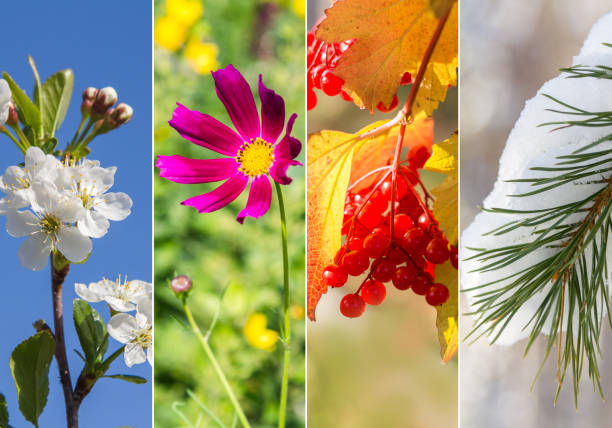
Spring: The Season of Courtship and Crescendo
As winter’s grip loosens and the earth thaws, owls emerge from their seasonal retreats with a sense of urgency. Spring is the time of territorial declarations, elaborate courtship rituals, and the first tentative flights of fledglings. For species like the Eastern Screech-Owl, this is when their haunting trills echo through woodlands, a sound so eerie it feels like a whisper from another realm. Meanwhile, in the open grasslands, the Barn Owl performs aerial acrobatics, its ghostly white form cutting through the dusk as it hunts for voles. The key to spring owl-watching lies in listening first, then looking. Dawn choruses are less about song and more about calls—hoots, whinnies, and the occasional scream that sends shivers down your spine. Urban parks and edge habitats become prime locations, as owls adapt to fragmented landscapes in search of nesting sites. Keep an eye on mature trees with cavities, and you might witness the tender exchange of prey between mates, a ritual as old as the forests themselves.
Summer: The Solstice of Silent Hunters
Summer’s long days and short nights might seem like a challenge for owl enthusiasts, but don’t be fooled—this season offers its own rewards. While some species retreat to the shadows during the height of summer, others become more vocal and visible. The Northern Saw-whet Owl, a tiny but fierce predator, begins its nesting cycle in late spring, and by summer, its high-pitched toots can be heard in dense coniferous forests. Meanwhile, in the boreal regions, the Great Gray Owl rules the taiga, its massive form perched sentinel-like on snags, listening for the faintest rustle of a vole beneath the snow. Summer also brings an influx of juvenile owls, their downy feathers still clinging to their bodies as they take their first clumsy flights. These young birds are often more tolerant of human presence, offering glimpses that more experienced adults would never allow. To maximize your summer sightings, focus on areas near wetlands or meadows, where prey is abundant and the cover of darkness is shorter but still potent. Night hikes with a red-light headlamp can reveal owls perched low, their eyes reflecting like embers in the dark.
Autumn: The Great Migration and the Hunt for Plenty
As the air grows crisp and the leaves blaze with color, owls prepare for the challenges ahead. Autumn is a season of transition, where some species migrate vast distances while others double down on hunting to fatten up for winter. The Short-eared Owl, a nomad of the open skies, becomes a spectacle in the northern latitudes, its buoyant flight and distinctive wingbeats drawing crowds to coastal dunes and marshes. Meanwhile, the Long-eared Owl gathers in communal roosts, their slender forms huddled together in dense thickets, conserving warmth and energy. This is also the time when young owls disperse, venturing beyond their natal territories in search of their own domains. The sounds of autumn owl-watching are less about calls and more about the rustle of wings as birds take flight at dusk. To catch these moments, seek out areas with abundant rodent populations—abandoned fields, agricultural edges, or even golf courses where voles thrive. The contrast of an owl’s silhouette against a fiery sunset is a sight that lingers in the memory long after the season fades.
Winter: The Frozen Vigil
Winter is the ultimate test of an owl’s resilience, and for those who brave the cold, it’s a season of unparalleled intimacy with these birds. When the landscape is blanketed in snow, owls become more conspicuous, their white or mottled plumage standing out against the monochrome backdrop. The Snowy Owl, a wanderer from the Arctic tundra, descends into southern latitudes in search of food, its regal presence drawing crowds to coastal beaches and frozen lakes. Meanwhile, the Boreal Owl remains deep in the coniferous forests, its high-pitched whistles cutting through the stillness like a knife. Winter owl-watching requires patience and preparation. Dress in layers, bring a thermos of hot tea, and equip yourself with optics that can handle low-light conditions. The reward? A front-row seat to one of nature’s most efficient predators in action. Watch as a Great Horned Owl plummets from a snag, talons outstretched, to snatch a rabbit from the snow. Or marvel as a Saw-whet Owl plucks a mouse from a frozen meadow, its tiny frame barely disturbing the crust. These moments are fleeting but unforgettable, a reminder that even in the harshest season, life persists—and thrives.
Regional Rhythms: Owls Across the Globe
The timing of owl sightings isn’t just a matter of season—it’s also a matter of geography. A Burrowing Owl in the American Southwest will have a vastly different schedule than a Tawny Owl in the British Isles or a Powerful Owl in Australia’s eucalyptus forests. In tropical regions, where seasons are less defined, owls may be active year-round, their calls blending into the symphony of the rainforest. In contrast, desert-dwelling species like the Elf Owl time their breeding cycles to coincide with the brief but abundant insect blooms that follow rare rains. For travelers and local enthusiasts alike, understanding these regional nuances can turn a trip into a pilgrimage. Research the dominant owl species in your area, then plan your outings around their peak activity times. Join local birding groups or guided night walks—often, the best sightings come from those who know the land and its hidden inhabitants intimately. Whether you’re tracking the elusive Ural Owl in Scandinavia’s old-growth forests or scanning the mangroves for the Stygian Owl in the Caribbean, the thrill of discovery is universal.
Tools and Tactics: Mastering the Art of Owl Observation
Spotting an owl isn’t just about luck—it’s about strategy. The right tools can mean the difference between a fleeting glimpse and a profound connection. Start with a pair of high-quality binoculars or a spotting scope with low-light capabilities. A red-light headlamp preserves your night vision while allowing you to navigate safely. Recordings of owl calls can lure curious birds closer, but use them sparingly to avoid disturbing nesting pairs. Learn to read the landscape: owls favor perches with good visibility, such as the tops of dead trees or fence posts. Listen for the telltale sounds of prey—rustling leaves, the snap of a twig—and scan the area methodically. Patience is your greatest ally. Owls may take hours to reveal themselves, but when they do, the moment is electric. Keep a journal to track your sightings, noting the species, location, time, and behavior. Over time, you’ll develop an intuitive sense for where and when to look, turning casual outings into a lifelong pursuit.
Ethics and Respect: Owls in the Wild
As with any wildlife encounter, ethical considerations should guide your actions. Owls are protected by law in many regions, and disturbing their nests or harassing them can have serious consequences. Always maintain a respectful distance—use your binoculars to observe, not your presence to intrude. Avoid playing recordings during breeding season, as it can disrupt courtship or cause stress to nesting pairs. If you’re fortunate enough to witness an owl hunting, resist the urge to interfere. These birds are masters of their craft, and their survival depends on their ability to hunt undisturbed. Share your knowledge responsibly, encouraging others to appreciate owls without exploiting them. By fostering a culture of respect and curiosity, you help ensure that these magnificent creatures remain a part of the wild tapestry for generations to come.