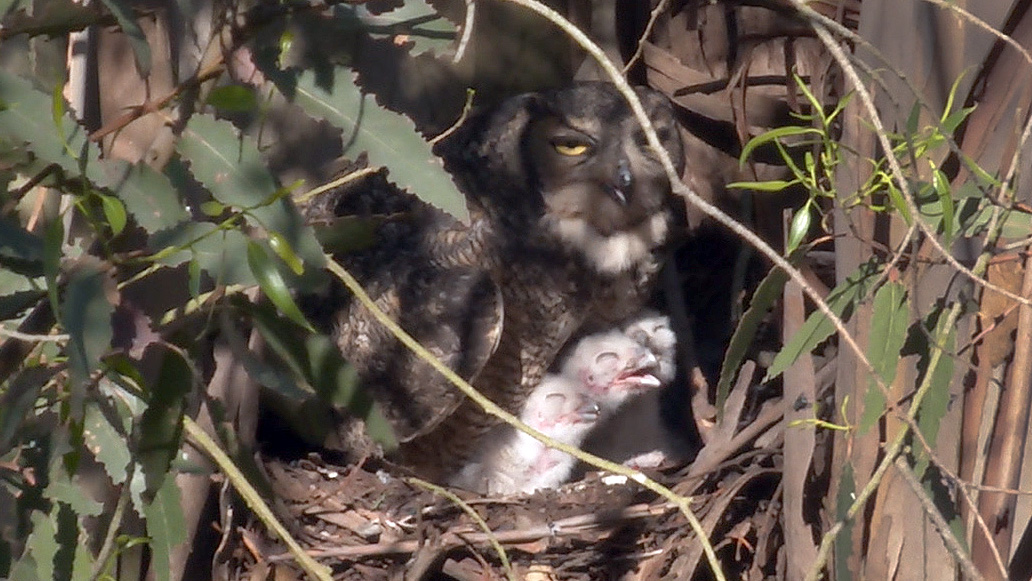
The urban owl, a silent sentinel of the night, glides through the labyrinth of city streets, its piercing gaze scanning the concrete jungle for prey. But what happens when the asphalt beneath its talons becomes a roaring river of steel and rubber? The impact of traffic on urban owl survival rates is a tale of resilience, adaptation, and, unfortunately, often, tragedy. As we delve into this nocturnal narrative, we must ask: Can these feathered phantoms of the dusk outmaneuver the relentless tide of urbanization?
The Urban Owl: A Nocturnal Nomad in a Concrete Wilderness
Urban owls, once denizens of dense forests and undisturbed woodlands, now find themselves thrust into the heart of human civilization. Their nocturnal habits, once a survival advantage, now clash with the unyielding rhythm of city life. The urban environment, with its towering structures and ceaseless hum of activity, presents a paradox: a feast of rodents and insects, yet a gauntlet of hazards. Traffic, in particular, emerges as a silent predator, its headlights and rumbling engines disrupting the delicate balance of the night.
Consider the tawny owl, a species that has adapted to urban life with remarkable tenacity. Yet, even this adaptable creature faces a daunting challenge. The constant illumination of streetlights, while a boon for human activity, disorients owls, impairing their ability to hunt. Meanwhile, the ceaseless flow of traffic fragments their habitats, forcing them into smaller, more perilous territories. The urban owl’s survival hinges on its ability to navigate this man-made maze—a task that grows increasingly difficult with each passing year.

The Lethal Dance: Traffic as an Invisible Predator
Imagine, if you will, the urban owl’s nightly patrol. It soars low, its wings slicing through the air with surgical precision, eyes locked onto the faintest rustle of a mouse in the undergrowth. But the city does not sleep. Cars hurtle past at speeds that render the owl’s evasive maneuvers futile. The statistics are grim: studies suggest that traffic collisions account for a significant portion of urban owl fatalities, particularly among fledglings still honing their flight skills.
The problem is exacerbated by the owl’s natural behavior. Unlike diurnal birds, owls are drawn to the warmth of asphalt, mistaking it for open hunting grounds. This fatal attraction is compounded by the scarcity of natural prey in urban areas, forcing owls to venture closer to roads in search of sustenance. The result? A deadly game of chance where the owl’s survival is dictated by the whims of drivers and the unpredictability of traffic patterns.
But traffic is not merely a physical threat—it is a psychological one. The constant noise pollution disrupts the owl’s ability to communicate, mate, and establish territories. In a world where silence is survival, the urban owl is drowning in a cacophony of honks, engines, and sirens. Can it adapt, or is it doomed to a fate written by the relentless march of progress?
Fragmented Skies: The Erosion of Urban Habitats
The urban owl’s struggle is not confined to the ground. The very air it traverses is being carved up by roads, highways, and sprawling infrastructure. Habitat fragmentation is a silent killer, isolating owl populations and reducing genetic diversity. Without the ability to move freely between territories, owls face inbreeding, reduced reproductive success, and, ultimately, extinction.
Consider the impact of a single highway bisecting a once-contiguous forest. The owl’s hunting grounds are split in two, forcing it to cross dangerous roads to reach vital resources. The mortality rate skyrockets, not just from collisions, but from starvation and territorial disputes with displaced owls. The urban owl is not just fighting traffic—it is fighting for the very fabric of its existence.
Yet, there is hope. Conservationists are exploring innovative solutions, from wildlife corridors to underpasses designed to guide owls safely across roads. But these measures are band-aids on a gaping wound. The root of the problem lies in urban planning that prioritizes cars over wildlife. Until cities recognize the value of biodiversity, the urban owl’s future remains precarious.
The Human Factor: Can We Share the Night?
The plight of the urban owl is a mirror held up to humanity. It forces us to confront our role in the natural world and ask: Do we have the right to reshape ecosystems to our whims? The answer, of course, is not a simple yes or no. Cities are here to stay, and owls, like it or not, must adapt or perish. But adaptation should not come at the cost of their survival.
There are glimmers of progress. Cities like London and Berlin have implemented “owl-friendly” lighting schemes, dimming streetlights during peak hunting hours to reduce disorientation. Others have installed owl boxes in parks and green spaces, providing safe nesting sites away from traffic. These small steps are a testament to what can be achieved when compassion meets innovation.
Yet, the challenge remains daunting. The urban owl’s survival depends on a delicate balance—one that requires not just individual efforts, but systemic change. Traffic reduction, green infrastructure, and wildlife-friendly urban design must become priorities, not afterthoughts. The question is not whether we can save the urban owl, but whether we are willing to try.
A Call to Action: The Owl’s Plight and Our Responsibility
The urban owl is more than a creature of the night—it is a symbol of nature’s resilience in the face of adversity. Its struggle is our struggle, a reminder that we are not separate from the ecosystems we inhabit. Every life lost to traffic is a call to action, a plea for a world where humans and wildlife can coexist.
So, what can we do? The answer lies in advocacy, education, and policy change. Support local conservation efforts. Advocate for wildlife-friendly urban planning. And perhaps most importantly, cultivate a sense of wonder for the creatures that share our cities. The urban owl is not just a survivor—it is a teacher, a silent witness to the consequences of our choices.
The night is dark, but it is not empty. It is filled with the whispers of wings, the rustle of prey, and the quiet determination of a species fighting to endure. The question is not whether the urban owl can survive traffic—it is whether we will let it.