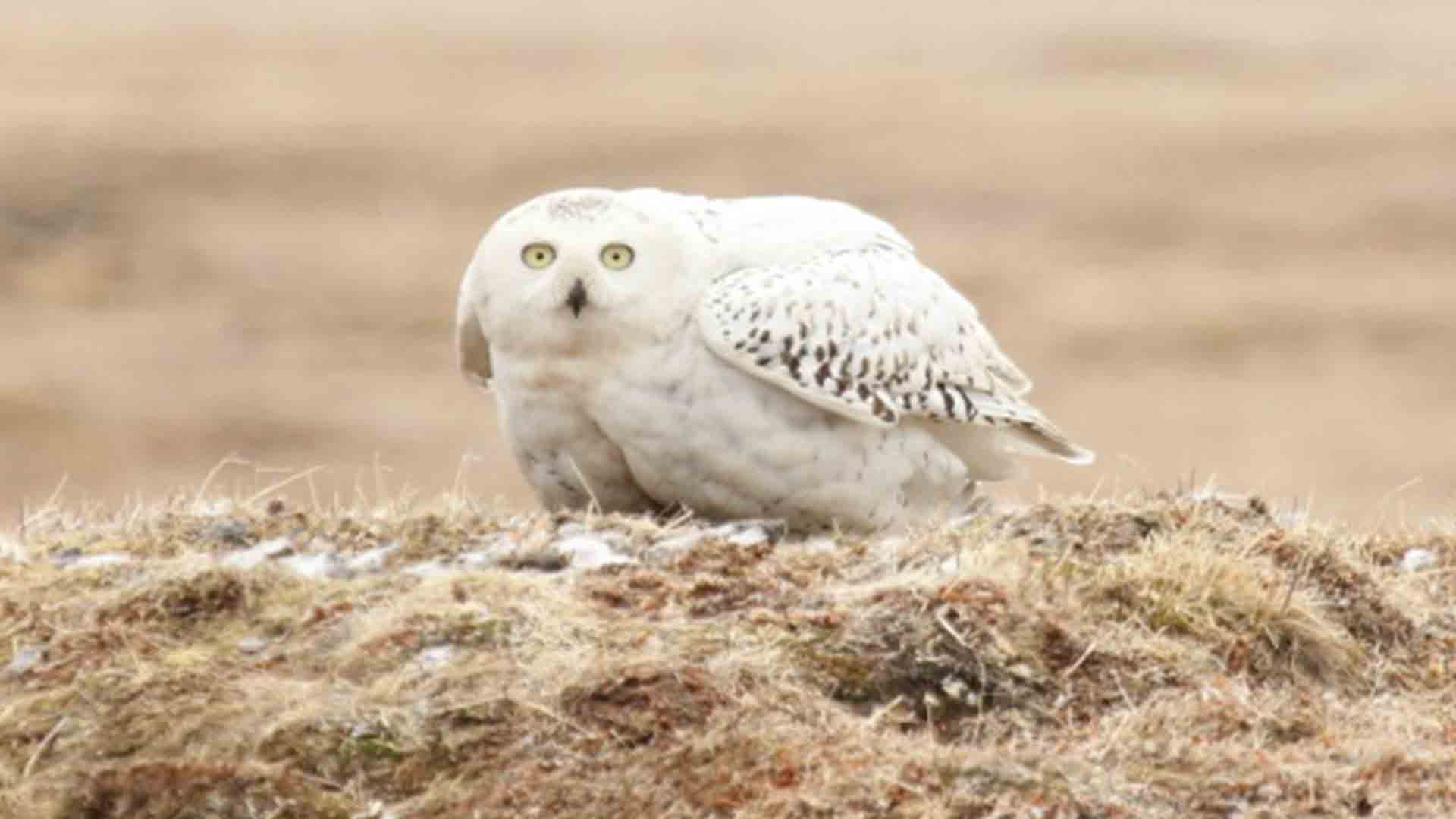
The Arctic tundra, a vast and windswept expanse of ice and stone, is a realm of stark beauty and fragile balance. Here, beneath the eternal glow of the midnight sun or the eerie dance of the aurora borealis, the snowy owl reigns as a silent sentinel. These majestic birds, with their piercing golden eyes and snowy plumage, are not merely survivors of this harsh landscape—they are its guardians, weaving their lives into the rhythm of the Arctic’s seasons. Yet, as human presence encroaches upon their domain, their nesting sites face an insidious threat: disturbance. How can we, as stewards of this planet, shift our perspective and act with intention to safeguard these vulnerable ecosystems? The answer lies not in grand gestures, but in the quiet revolution of awareness, respect, and restraint.
The Arctic’s Fragile Cradle: Why Snowy Owl Nesting Sites Are Under Siege
The snowy owl’s nesting grounds are not chosen lightly. These birds, adapted to the extremes of the Arctic, seek out elevated, open terrain—ridges, hummocks, or the edges of cliffs—where they can survey their domain with unobstructed vision. The tundra’s permafrost, a frozen fortress beneath their feet, provides the stability their nests require. Yet, this very terrain is being reshaped by the relentless march of human activity. From the rumble of snowmobiles slicing through the silence to the distant hum of industrial machinery, the Arctic is no longer the untouched wilderness it once was. Even the most well-intentioned visitors can inadvertently disrupt the delicate balance, leaving behind footprints that linger like scars on the land.
Consider the irony: the Arctic, a place of such remoteness, is now crisscrossed by invisible threads of connectivity. Tourists, researchers, and even curious locals may unknowingly trespass into these sacred spaces, their presence triggering stress responses in the owls. A single disturbance can force a parent bird to abandon its eggs or chicks, leaving them vulnerable to predators or the elements. The consequences ripple outward—fewer fledglings mean a dwindling population, and a species already challenged by climate change faces yet another existential threat. The question we must ask ourselves is not whether we can afford to protect these nesting sites, but whether we can afford not to.
From Spectator to Steward: The Power of Mindful Observation
What if we redefined our role in the Arctic? Instead of passive observers, what if we became active participants in its preservation? The first step is a shift in mindset—from curiosity to reverence. Snowy owls are not attractions to be ticked off a checklist; they are living beings deserving of dignity and space. This means embracing the principles of leave no trace not as a suggestion, but as a sacred duty. Every footprint, every discarded item, every moment of silence broken by a loud voice or a camera shutter is a potential wound to the land.
But mindfulness extends beyond physical actions. It requires an emotional and intellectual reckoning with our place in the world. We must ask ourselves: Why are we here? What do we hope to gain from this encounter? If the answer is merely spectacle, then we have already failed. The Arctic demands more from us. It asks that we slow down, that we listen to the wind rather than our own voices, that we recognize the interconnectedness of all life. This is not about deprivation—it is about enrichment. The true reward of witnessing a snowy owl in its natural habitat is not a photograph, but the quiet humility of being in the presence of something wild and free.
The Invisible Threat: How Noise and Light Pollution Disrupt the Arctic Night
We often think of pollution in terms of plastic in the ocean or smog in the sky, but the Arctic faces a more insidious form: acoustic and luminous pollution. The Arctic night, a realm of perpetual twilight during the winter months, is not just a canvas for the aurora—it is a symphony of silence, broken only by the calls of owls and the whisper of the wind. Yet, the intrusion of artificial light—whether from a campfire, a drone’s LED, or a distant settlement—can disorient these birds, disrupting their circadian rhythms and their ability to hunt. Similarly, the roar of engines, the crackle of radios, or even the low-frequency hum of a generator can mask the subtle sounds of prey or predators, leaving owls vulnerable.
This is not an abstract concern. Studies have shown that even brief exposure to artificial light can alter the behavior of Arctic wildlife, forcing them to expend energy avoiding perceived threats rather than foraging or nesting. The solution lies in technology and restraint. Low-impact lighting, directional sound barriers, and designated quiet zones can mitigate these disturbances. But the most powerful tool is awareness. When we recognize that our presence alone can alter the Arctic’s soundscape, we are compelled to act with greater care. The Arctic does not need our noise—it needs our silence.
Community-Led Conservation: Empowering Indigenous Voices in Protection
The Arctic is not a blank slate waiting to be written upon by outsiders. It is a living, breathing entity with a history and culture that predates our own. Indigenous communities, who have stewarded these lands for millennia, hold the key to sustainable coexistence with snowy owls and their habitats. Their knowledge—passed down through generations—offers insights into the rhythms of the tundra that no scientific study could replicate. Yet, too often, conservation efforts are imposed from the outside, with little regard for the wisdom of those who call this land home.
True conservation must be collaborative. This means centering Indigenous leadership in decision-making, supporting traditional ecological knowledge, and ensuring that any protection measures align with cultural values. For example, some Indigenous groups may have specific protocols for approaching nesting sites, rooted in spiritual beliefs or practical necessity. By honoring these practices, we not only protect the owls but also preserve the cultural fabric of the Arctic. This is not charity—it is justice. The land does not belong to us; we belong to it.
The Role of Technology: Drones, Apps, and the Ethics of Remote Observation
In an age where technology allows us to peer into the most remote corners of the Earth, we must ask ourselves: At what cost? Drones, once a novelty, are now commonplace in the Arctic, used for everything from wildlife monitoring to tourism. But their presence can be a double-edged sword. The whirring of their rotors, the glare of their cameras, and the sheer invasiveness of their flight paths can terrify snowy owls, driving them from their nests. Even “non-invasive” tools like trail cameras or GPS trackers can disrupt behavior if not used with extreme caution.
This is not to say technology has no place in conservation. When used responsibly, it can provide invaluable data without direct human interference. For instance, motion-activated cameras placed at a distance, or satellite imagery used to map nesting sites without physical presence, can offer insights while minimizing disturbance. The key is intention. Are we using technology to observe, or to exploit? Are we prioritizing the well-being of the owls, or our own curiosity? The answers to these questions will determine whether our tools become bridges or barriers to coexistence.
A Call to Action: Small Steps with Monumental Impact
Protecting snowy owl nesting sites does not require a grand gesture—it requires a thousand small acts of reverence. It means staying on marked trails, even when the terrain looks inviting. It means keeping our voices low, our movements slow, and our cameras stowed when we encounter a nest. It means supporting policies that limit industrial activity in critical habitats and advocating for Indigenous-led conservation. It means educating others, not with guilt, but with wonder—helping them see the Arctic not as a resource to be exploited, but as a sanctuary to be cherished.
The snowy owl is more than a symbol of the Arctic’s resilience; it is a mirror reflecting our own humanity. In its golden eyes, we see the fragility of life, the importance of patience, and the necessity of humility. The choices we make today will determine whether future generations witness the silent, watchful gaze of a snowy owl in its natural habitat—or whether they will only know it through the sterile lens of a museum exhibit. The Arctic is not ours to take. It is ours to protect.