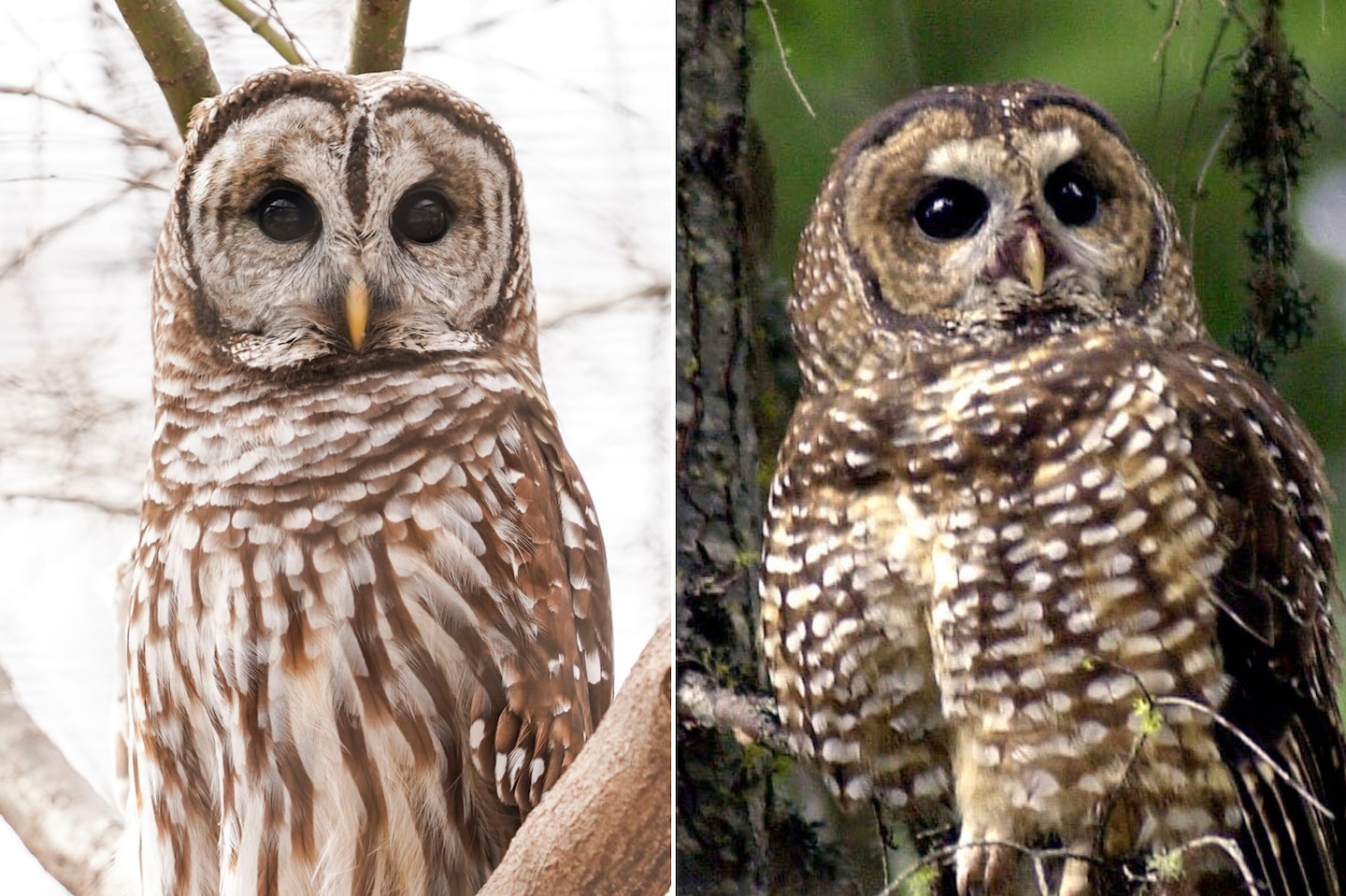
In the vast forest of symbolism and imagery, owls have long been the silent sentinels of wisdom, enshrouded in mystery and allure. Within this nocturnal pantheon, the barred owl and the spotted owl emerge as compelling avatars—each bearing distinct narratives and evocative traits that brands eagerly harness. Their contrasting yet complementary essences embody the perfect metaphor for varied marketing philosophies. As if cloaked in shadow and moonlight, these owls occupy unique spaces in advertising, weaving their visual and conceptual tapestries into campaigns that transcend mere product promotion to become emblematic calls to the consumer’s psyche.
The Barred Owl: A Symbol of Assertive Assurance
The barred owl, with its bold horizontal stripes and prominent presence, resonates as a figure of confidence and clarity. In advertising, it often symbolizes groundedness, strength, and an unyielding voice that commands attention without domineering. Brands frequently employ the barred owl to construct an aura of trustworthiness and dependability—qualities that consumers subconsciously seek when navigating markets flooded with choice and uncertainty.
The barred owl’s image operates like a clarion call in a forest, loud and unmistakable. Its distinctive “who cooks for you?” call becomes an auditory metaphor for brands emphasizing customer loyalty and service reliability. The owl’s pattern, reminiscent of tightly woven barriers, visually reinforces notions of protection and stability. Companies in sectors like insurance, finance, and security harness this symbolism to evoke reassurance and to subtly say, “We’ve got your back.”
The Spotted Owl: Emblem of Elegance and Environmental Ethos
Flitting in contrast, the spotted owl is the embodiment of subtlety and fragility, adorned with delicate speckles that whisper tales of elusive beauty and vulnerability. It conjures images of untouched wilderness and ecological balance, making it a magnet for brands that pride themselves on sustainability, conservation, and premium exclusivity.
In advertising narratives, the spotted owl serves as the delicate muse inspiring conscientious consumerism. Luxury and eco-friendly brands deploy its image as a badge of honor—signaling purity, rarity, and mindfulness. The soft, spotted plumage becomes a metaphorical canvas that paints stories of preservation and delicate stewardship. It invites consumers to partake in a covenant with nature, forging emotional bonds that transcend transactional relationships into realms of shared values and deeper meaning.
Juxtaposition in Brand Imagery: Strength Meets Sensitivity
The interplay between the barred and spotted owls in advertising creates a fascinating dialectic—strength and sensitivity, confidence and care. This juxtaposition invites brands to craft layered messages that appeal to diverse facets of their audience’s identity. For example, a campaign might leverage the barred owl’s imposing aura to underscore reliability, while the spotted owl injects a touch of emotional resonance and ethical responsibility.
This duality allows brands to walk the tightrope between assertiveness and empathy, demonstrating multidimensionality. Consumers today crave authenticity balanced with sophistication. They are drawn to brands that do not merely shout the loudest but whisper the truths that matter. The barred and spotted owls, with their contrasting yet complementary imagery, become the perfect metaphors for this nuanced communication.
Visual and Auditory Elements: Enriching Narratives Through Sensory Engagement
Every campaign that incorporates owl imagery benefits immensely from the intrinsic sensory impressions these birds invoke. The barred owl’s haunting, repetitive call can be harnessed in audio branding to create hypnotic, memorable soundscapes that linger in the consumer’s mind like a nocturnal incantation. Paired with the striking visual patterns of its plumage, it forms a multisensory language that brands leverage to establish emotional tempos.
Conversely, the spotted owl’s quieter demeanor lends itself beautifully to minimalist design and understated audio cues. Its rarity and endangered status often invite a somber, reflective auditory backdrop in advertising. This sensory approach deepens consumer engagement, encouraging introspection and a personal connection to the brand’s message. The subtle rustle of forest foliage or soft breath-like winds fused with spotted owl imagery can conjure intimacy and reverence simultaneously.
The Metaphorical Landscape: Owls as Archetypes in Brand Storytelling
Owls, archetypical denizens of the night, represent knowledge hidden in shadow and truths unveiled in darkness. The barred owl, with its assertive presence, stands as an archetype of the vigilant guardian—alert, watchful, ready to protect. Brands translate this vigilance into promises of safeguarding consumer interests, quality assurance, and the prevention of risk.
In contrast, the spotted owl is the archetypal guardian of sacred spaces and fragile beauty. It embodies the mystique of endangered wisdom—an evocative metaphor for brands committed to pioneering new frontiers in sustainability, ethics, and innovation. Together, these archetypes allow marketers to articulate complex narratives that tap into collective unconscious motifs, making campaigns culturally resonant and psychologically compelling.
Case Studies: How Diverse Industries Adopt Barred and Spotted Owl Imagery
From automotive companies emphasizing rugged durability to tech brands evoking cutting-edge intelligence, barred owls prominently figure as emblems of reliability and pragmatic problem-solving. Insurance firms often integrate barred owl motifs in their branding to signify watchfulness and protection, aligning the visual metaphor with their core promise of security.
On the other hand, cosmetic and wellness brands gravitate toward the spotted owl’s delicate allure, emphasizing natural ingredients, purity, and ethical sourcing. Environmental organizations similarly adopt the spotted owl as a mascot for conservation campaigns, imbuing their messaging with urgency and emotional depth. The spotted owl’s visual identity seamlessly aligns with narratives of care, regeneration, and the imperative of stewardship.
The Psychological Pull: Why Owl Imagery Captivates Consumers
Owls tap into deep-seated human archetypes surrounding wisdom, mystery, and transformation. The barred owl’s robust and rhythmic presence appeals to a primal desire for stability and clarity amidst chaos. Its imagery triggers subconscious associations with guidance and protection, fostering brand loyalty.
Meanwhile, the spotted owl’s nuanced and tender reputation evokes empathy, encouraging consumers to enact values through their purchases. By incorporating these birds into advertising, brands not only beautify their visuals but also ground their narratives in universally recognized symbols of insight and care, making campaigns profoundly memorable.
Conclusion: Crafting Brand Identity Through the Nocturnal Lens
In the intricate dance between barred and spotted owls, brands find a rich lexicon to articulate identity, values, and vision. These nocturnal icons serve as more than mere imagery; they are powerful metaphors that enable brands to navigate the complex terrains of consumer psychology and cultural symbolism.
By embracing the barred owl’s assertive clarity and the spotted owl’s delicate profundity, advertisers weave stories that resonate on multiple emotional registers. They craft identities not just seen or heard, but deeply felt. In this haunting interplay of shadow and light, wisdom and vulnerability, brands discover the alchemy of true connection.