Imagine a moonlit forest, where the only sounds are the rustle of leaves and the distant hoot of an owl. Now, picture one of those owls, wings outstretched, talons tangled in a snare of discarded fishing line. The night is silent, but the urgency is deafening. What if you could be the one to swoop in—not with wings, but with a carefully crafted first aid kit? This isn’t just about saving a bird; it’s about rewriting the story of wildlife survival, one feather at a time.
The Owl’s Plight: Why First Aid Kits Are a Game-Changer
Owls, those silent sentinels of the night, are not invincible. Their hunting prowess and nocturnal habits expose them to a myriad of hazards—barbed wire, rodenticides, even collisions with vehicles. A first aid kit isn’t just a box of supplies; it’s a lifeline. It transforms you from a passive observer into an active guardian of the wild. But here’s the twist: most first aid kits are designed for humans. Owls? They’re a different beast entirely.
Consider the owl’s anatomy. Their hollow bones make them lightweight but fragile. A misplaced bandage could crush their ribcage. Their talons? Razor-sharp and deadly—even in distress. A standard antiseptic wipe won’t cut it when dealing with a predator’s weaponry. This is where a bespoke owl first aid kit comes into play. It’s not just about patching up wounds; it’s about understanding the nuances of avian physiology and behavior. It’s about seeing the world through the eyes of a creature that sees you.
Gathering the Essentials: What Goes Into an Owl’s Survival Arsenal?
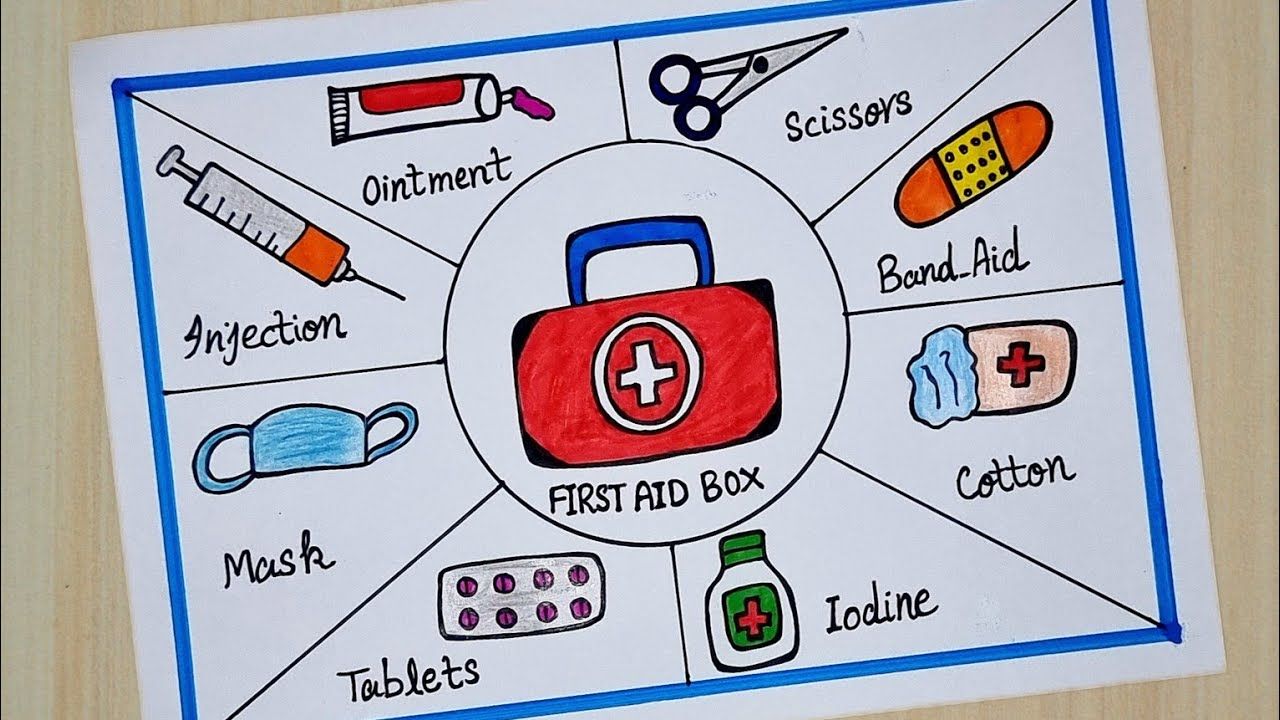
Building an owl first aid kit is like assembling a puzzle where each piece is critical. Start with a lightweight, durable container—think a waterproof, crush-resistant pouch that can withstand the elements. Inside, you’ll need:
- Sterile Gloves: Because even in an emergency, you don’t want to introduce human bacteria to an owl’s delicate system.
- Tweezers and Hemostats: For removing debris or splinters from wounds without causing further damage.
- Non-Stick Pads: To cover wounds without sticking to feathers or skin.
- Saline Solution: For flushing out debris or cleaning wounds without harsh chemicals.
- Antiseptic Spray (Avian-Safe): A diluted, bird-friendly antiseptic to prevent infection.
- Gauze and Vet Wrap: Lightweight materials that won’t weigh down the owl or restrict breathing.
- Eyewash Solution: For treating eye injuries, which are common in collisions.
- Temporary Splints: Made from lightweight materials like popsicle sticks or cardboard, to stabilize fractures.
- Emergency Contact Numbers: Local wildlife rehabilitators, veterinarians, and hotlines.
But here’s the kicker: you can’t just throw these items into a bag and call it a day. Each item must be chosen with precision. For example, standard gauze can snag on an owl’s feathers, causing more harm than good. Instead, opt for non-adherent pads or even sterile cotton balls. And forget about adhesive tape—it’s a nightmare to remove from feathers. Vet wrap is your best friend here, as it sticks to itself but not to the owl.
The Art of the Approach: Safety First, Always
Approaching an injured owl is not for the faint of heart. These birds are apex predators, and even in distress, they can lash out with terrifying speed. The key? Patience and preparation. Before you even think about touching the owl, assess the situation from a safe distance. Is it entangled in debris? Is it lying motionless? Is there a parent owl nearby, watching your every move?
If the owl is grounded but not immediately threatened, create a barrier—use a towel, a jacket, or even a cardboard box to gently corral it. Never attempt to pick it up bare-handed. Even a minor injury can turn a stressed owl into a whirlwind of talons and beak. Instead, use a thick towel or leather gloves to carefully lift the bird, supporting its body and wings to prevent further injury.
And here’s a pro tip: owls are masters of camouflage. A dark-colored owl against a dark background? Nearly invisible. Always approach slowly, speaking in a low, soothing voice to avoid startling it. Remember, you’re not just saving a bird—you’re navigating a delicate dance of trust and instinct.
Treating the Wound: A Delicate Dance of Care
Once the owl is secure, it’s time to assess the damage. Start with the basics: is it bleeding? Is there a fracture? Are its eyes clear and alert? If there’s bleeding, apply gentle pressure with a sterile pad to stem the flow. Avoid using tourniquets—they’re more likely to cause damage than help.
For fractures, immobilize the limb using a temporary splint. But be cautious. Owls are not dogs or cats; their bones are thin and brittle. A poorly applied splint can do more harm than good. If you’re unsure, it’s better to leave the splinting to a professional. The same goes for deep wounds—while you can clean the area with saline solution, avoid probing or attempting to stitch the wound yourself. Your goal isn’t to perform surgery; it’s to stabilize the owl until it can reach a wildlife rehabilitator.
And what about those piercing eyes? Owls rely on their vision more than any other sense. If an eye is injured, flush it gently with eyewash solution, but avoid touching the eye itself. Even a feather in the eye can cause significant damage, so be meticulous in your inspection.
Transporting the Owl: The Journey to Recovery
Now comes the tricky part: getting the owl to safety. The goal is to minimize stress and movement. Place the owl in a well-ventilated, dark, and quiet container—think a cardboard box with air holes and a soft towel lining. Avoid using wire cages or anything that could snag feathers or cause injury. The box should be just large enough for the owl to stand or sit comfortably, but not so large that it can thrash around.
During transport, keep the box level and avoid sudden movements. Play soft, calming music or white noise to drown out the sounds of the road. And never, ever leave the owl in a hot car or exposed to direct sunlight. Even a few minutes in a poorly ventilated space can be fatal.
Once you arrive at a wildlife rehabilitator or vet, provide them with as much information as possible. How did you find the owl? How long has it been injured? Any visible symptoms or behaviors? The more details you can provide, the better equipped they’ll be to give the owl the care it needs.
The Ripple Effect: How One Act of Kindness Changes Everything
Saving an injured owl isn’t just about one bird—it’s about the ripple effect it creates. Owls are keystone species, meaning their presence (or absence) impacts the entire ecosystem. A single owl can control rodent populations, maintain balance in the food chain, and even influence the health of the forest itself. By saving one owl, you’re not just giving it a second chance at life; you’re preserving the intricate web of life that depends on it.
But here’s the most profound part: the act of saving an owl changes you. It shifts your perspective. Suddenly, you see the world not as a place of indifference, but as a place where every creature, no matter how small or seemingly insignificant, deserves a fighting chance. It’s a reminder that we are not separate from nature—we are part of it. And when we extend a hand to an injured owl, we’re not just saving a bird. We’re saving a piece of the wild.
So the next time you hear the hoot of an owl in the night, listen closely. It might just be calling out to you, asking for help. And now, you know exactly what to do.