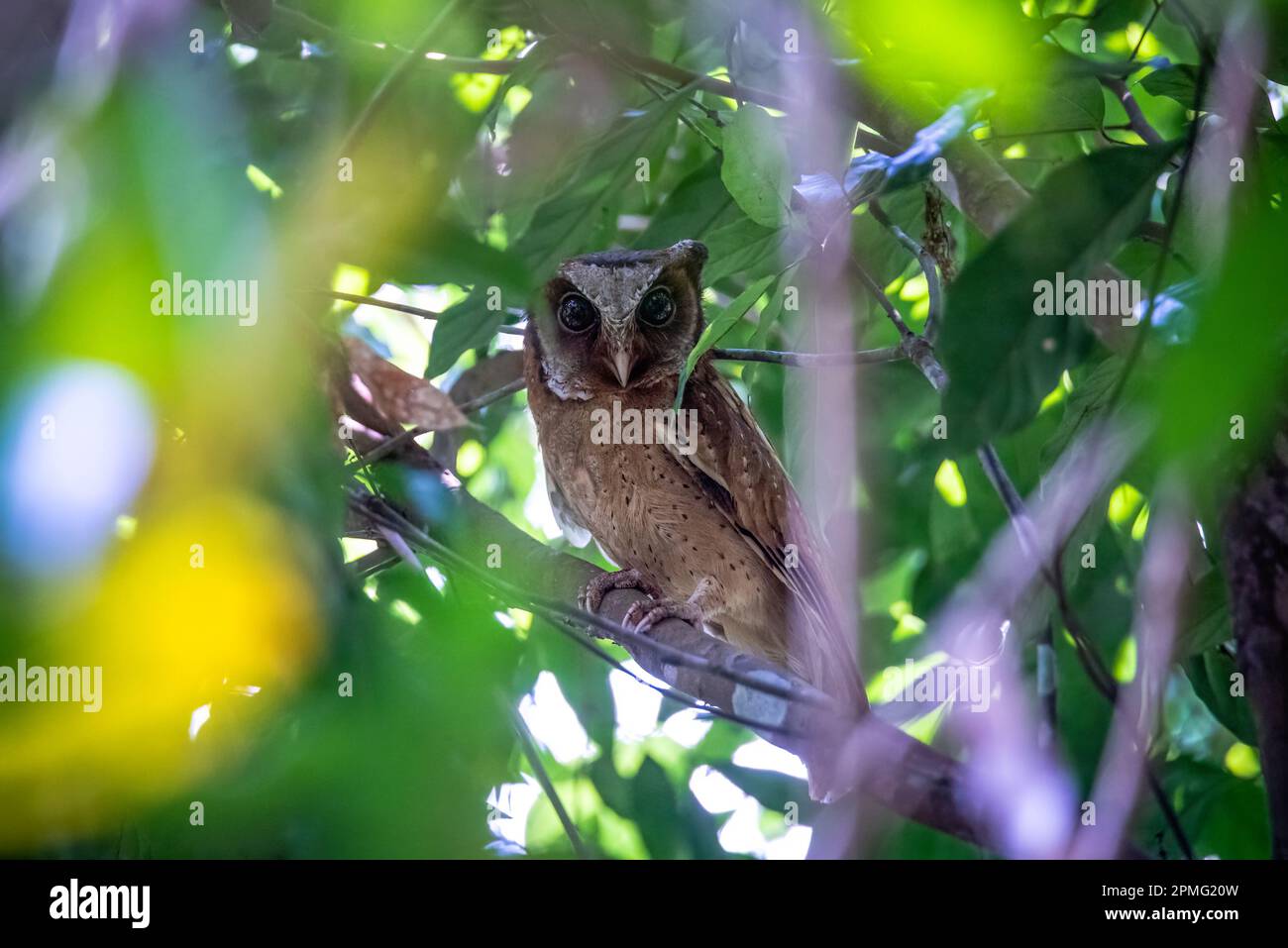
What if the key to saving one of North America’s most elusive and endangered birds—the Spotted Owl—lay not in the hands of policymakers or scientists alone, but in the calloused palms of volunteers? These unsung heroes, armed with binoculars, notebooks, and an unyielding passion for conservation, have become the lifeblood of Spotted Owl recovery efforts. Their work is a testament to the power of grassroots action, but it is not without its challenges. How do these programs truly impact conservation, and what obstacles stand in their way?
The Unsung Heroes: Who Are These Volunteers, and Why Do They Matter?
Volunteers in Spotted Owl conservation are a motley crew—retirees with decades of field experience, college students seeking hands-on environmental science, and even urban dwellers trading city lights for the whisper of forest canopies. Their motivations vary as much as their backgrounds: some are driven by a love for wildlife, others by a desire to combat climate change’s devastating effects on biodiversity. What unites them is a shared belief that every hour spent tracking owl calls, mapping habitat, or restoring degraded forests is a step toward rewilding a species on the brink.
These volunteers are not mere spectators; they are active participants in data collection, habitat restoration, and community outreach. Their efforts fill critical gaps where funding and staffing fall short. In regions where government agencies struggle to monitor remote old-growth forests, volunteers become the eyes and ears of conservation science. Without them, the Spotted Owl’s decline might go unnoticed until it’s too late.
The Ripple Effect: How Volunteer Programs Amplify Conservation Impact
Imagine a single volunteer, trekking through dense Douglas-fir forests at dawn, recording the haunting trill of a Spotted Owl. That data point, when aggregated with thousands of others, paints a vivid picture of the species’ distribution, breeding success, and habitat preferences. Volunteer programs like the Spotted Owl Monitoring Program in California and Oregon have transformed anecdotal observations into robust datasets, enabling researchers to identify population trends and prioritize conservation actions.
But the impact doesn’t stop at data. Volunteers also play a pivotal role in habitat restoration. By planting native vegetation, removing invasive species, and installing nest boxes, they create oases of safety for owls displaced by logging and wildfires. Their labor directly combats the fragmentation of old-growth forests—the Spotted Owl’s last stronghold. In some cases, volunteer-led initiatives have even led to policy changes, proving that community-driven action can sway decision-makers.
Moreover, these programs foster a culture of stewardship. When volunteers engage with local communities—hosting workshops, leading guided hikes, or educating schoolchildren—they plant seeds of environmental consciousness. The Spotted Owl becomes more than a bird; it becomes a symbol of resilience, a rallying cry for those who believe in coexistence between human development and wildlife.
The Thorny Path: Challenges That Thwart Volunteer-Led Conservation
Yet, for all their dedication, volunteers face a labyrinth of obstacles. The first hurdle is accessibility. Many Spotted Owl habitats are located in rugged, roadless wilderness areas, requiring permits, physical endurance, and sometimes even bear spray. Not everyone can navigate these challenges, which means volunteer programs often skew toward those with the time, resources, and privilege to participate. How can conservation truly be inclusive when the barriers to entry are so high?
Another challenge is data reliability. While volunteers provide invaluable contributions, their observations are not immune to human error. Misidentifying owl calls, overlooking subtle habitat cues, or misrecording locations can skew research findings. Training and standardization are essential, but they demand time and funding—resources that are often scarce in grassroots programs. The tension between quantity and quality of data looms large.
Then there’s the issue of sustainability. Volunteer programs rely on the goodwill of individuals, many of whom have day jobs, families, or other commitments. Burnout is a real risk. Without long-term funding, structured support, and recognition, even the most passionate volunteers may eventually retreat. How do we ensure these programs endure beyond the enthusiasm of a single generation?
Beyond the Forest: The Broader Implications of Volunteer-Led Conservation
The Spotted Owl is more than a species; it’s an indicator—a living barometer of forest health. Its decline signals broader ecological distress: habitat loss, climate change, and the unchecked expansion of human activity. By focusing on its conservation, volunteers are not just saving one bird; they are advocating for entire ecosystems. Their work highlights the interconnectedness of all life, from the fungi breaking down soil to the salmon swimming upstream.
But here’s the playful yet poignant question: What if the Spotted Owl’s fate is a mirror for humanity’s own? If we cannot save a charismatic, wide-ranging species from extinction, what does that say about our ability to preserve the planet’s biodiversity? Volunteer programs offer a glimmer of hope, proving that collective action can yield tangible results. Yet they also underscore the urgency of systemic change—policy reforms, corporate accountability, and a cultural shift toward valuing nature above profit.
The Spotted Owl’s haunting call echoes through the forests, a reminder that conservation is not a spectator sport. It requires boots on the ground, hands in the soil, and hearts committed to the long game. Volunteers are the foot soldiers in this battle, but their success depends on a world that chooses to listen—and act.
The Future: Can Volunteer Programs Scale Up Without Losing Their Soul?
The question now is whether volunteer programs can evolve without losing the grassroots spirit that makes them so effective. Technology offers a lifeline: drones for aerial surveys, AI-powered acoustic monitors, and citizen science apps that streamline data collection. These tools could democratize participation, allowing more people to contribute without the physical demands of fieldwork. But technology must complement, not replace, the human touch. The Spotted Owl’s story is as much about connection as it is about conservation.
Perhaps the greatest challenge—and opportunity—lies in bridging the gap between volunteers and institutions. Government agencies, universities, and NGOs must recognize the value of these programs and invest in their growth. Funding, training, and institutional support could transform volunteer efforts from noble hobbies into pillars of conservation strategy. Imagine a future where every Spotted Owl monitoring effort is backed by a network of trained volunteers, where habitat restoration is a community-wide endeavor, and where the owl’s survival is a shared triumph.
The Spotted Owl’s fate hangs in the balance, but the volunteers fighting for its survival are rewriting the narrative. Their work is a testament to the power of collective action, a reminder that even the smallest hands can move mountains. The question is no longer whether we can save the Spotted Owl—but whether we will choose to.