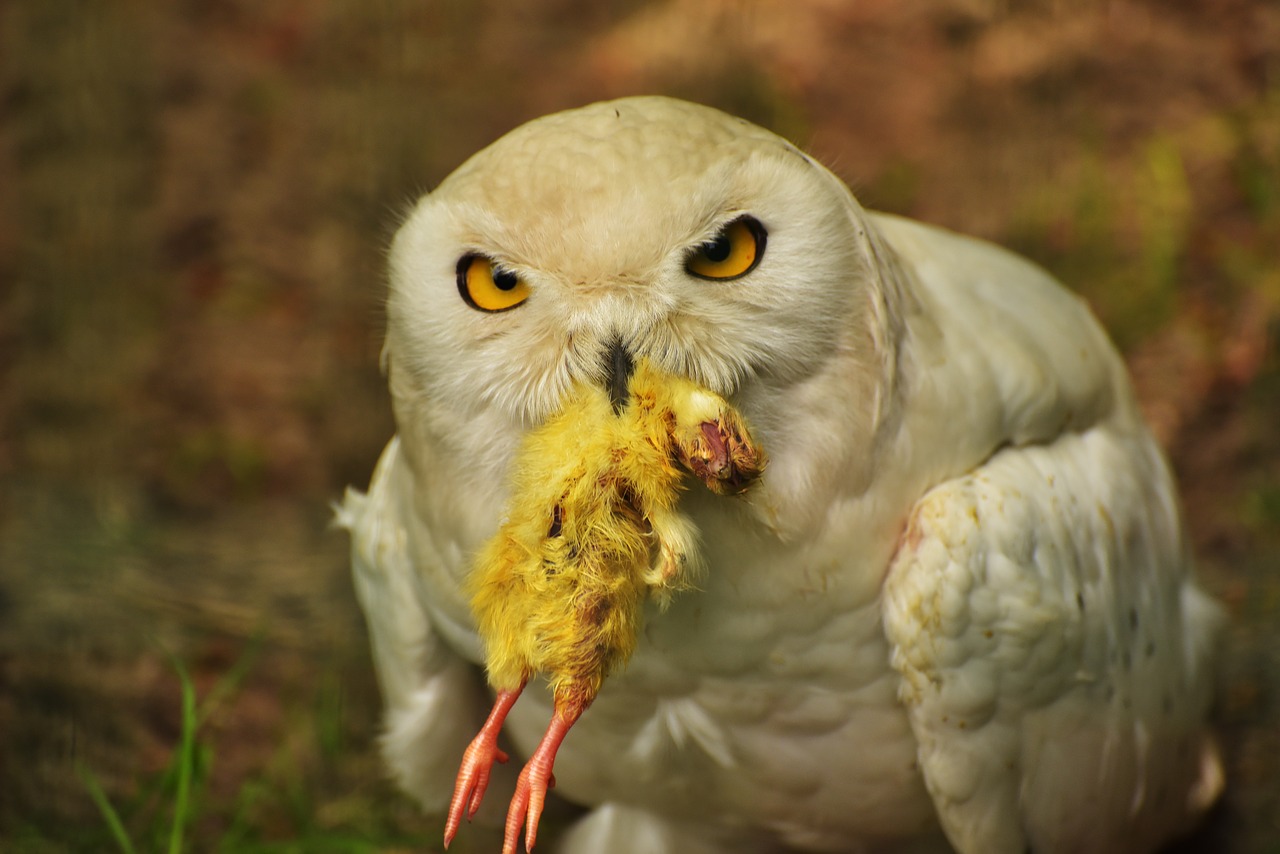
The snowy owl, a breathtaking emblem of the Arctic wilderness, has long captivated the imaginations of artists across centuries and cultures. With its ghostly white plumage and piercing yellow eyes, this majestic bird evokes an aura of mystery, resilience, and stark beauty. Artistic representations of snowy owls span myriad styles, mediums, and thematic intentions, offering a rich tapestry that reflects humanity’s enduring fascination with these arctic sentinels. Journey into the world of snowy owl art, where natural wonder meets creative expression in a dazzling array of forms.
Historical Depictions: The Snowy Owl as a Symbol
From indigenous art to early naturalist sketches, snowy owls have served as potent symbols long before becoming popular icons within contemporary art. Many Native Arctic cultures imbued the bird with spiritual significance, often portraying it in petroglyphs, totemic carvings, or textile arts with intricate symbolism emblematic of wisdom, vigilance, and guidance. These ancient depictions rarely aimed for strict realism; instead, they emphasized the owl’s ethereal nature and its role as a guardian of the frozen landscapes.
During the Age of Exploration and Enlightenment, naturalists like John James Audubon meticulously documented snowy owls in scientific illustrations. These images birthed a hybrid genre—where accuracy met artistry—bringing the bird’s anatomy and behavior into vivid focus. Such works were pivotal, introducing mass audiences to the snowy owl’s stark beauty and inspiring poetic reverence in both scientific and artistic communities.
Contemporary Fine Art: Expressing Arctic Majesty
In the realm of contemporary fine art, snowy owls have become muses for painters, sculptors, and mixed-media artists. Their presence on white, snow-blanketed canvases or in cold-hued sculptures often transcends mere representation, embodying complex themes such as solitude, endurance, and the fragile balance of Arctic ecosystems. Artists frequently exploit the owl’s fluctuating patterns of camouflage and contrast—its white feathers speckled with subtle black markings—to explore ideas of visibility versus invisibility, clarity versus mystery.
Modern painters often employ hyperrealism to celebrate the breathtaking detail of the snowy owl’s feathers and predatory gaze. Alternatively, some abstract artists deconstruct the form, using fragmented lines and impressionistic color palettes to convey the intangible spirit of the bird within its harsh environment. This duality—between hyperreal and abstract—demonstrates the snowy owl’s versatility as a subject that can convey both specific natural truths and universal emotional states.
Wildlife Photography: Immortalizing the Snowy Owl’s Ethereal Presence
Wildlife photography has emerged as a powerful conduit for connecting viewers with the snowy owl’s enigmatic life. Photographers brave extreme cold and unforgiving terrain to capture fleeting moments of the owl in its natural habitat: perched against snowy drifts, mid-flight, or engaged in hunting. These images offer more than documentation; they invite introspection and awe, showcasing the bird’s adaptations and raw elegance.
The photographic portrayal often captures the snowy owl’s compelling juxtaposition—the vivid brightness of its plumage against the stark Arctic backdrop, its intense eyes locked in a moment of predatory focus. This medium plays with light and shadow, paradoxically revealing and concealing details, further enriching the visual narrative. For enthusiasts and casual audiences alike, these photographs foster greater respect for conservation and the fragility of Arctic species.
Illustration and Graphic Art: Bridging Fantasy and Reality
Beyond traditional fine art and photography lies the vibrant world of illustration and graphic art, where snowy owls have found a dynamic voice. Whether adorning the pages of children’s books, graphic novels, or digital media, these birds often transcend their biological realism. Illustrators imbue them with personality, often anthropomorphizing the snowy owl as a wise companion, a mystical guide, or an emblematic figure representing purity and enlightenment.
In fantasy art, snowy owls may be depicted with exaggerated features or supernatural attributes—radiant feathers that glimmer ethereally, eyes that seem to hold arcane knowledge, or wings that stir the very essence of winter winds. This imaginative realm allows artists to pull from myth and folklore, weaving narratives that connect the bird to cosmic cycles and ancient wisdom.
Public Art and Murals: Snowy Owls in Urban and Environmental Contexts
Across cities and towns far from their Arctic homes, snowy owls have increasingly become subjects of public art, appearing in murals, sculptures, and installations. Such works bring the mystery and majesty of the far north into the urban fabric, provoking curiosity and awareness. These public pieces often serve dual purposes: aesthetic enrichment and environmental advocacy.
Muralists envision snowy owls soaring above cityscapes, symbolizing freedom and resilience amidst urban sprawl. Sculptors craft installations from metal, glass, or recycled materials, embodying the owl’s grace while highlighting themes of climate change and habitat preservation. These accessible works engage broad audiences, making snowy owls ambassadors for Arctic conservation and bridging the divide between nature and human society.
Symbolism and Cultural Resonance in Literature and Poetry
While not visual art, literature and poetry consistently influence and are influenced by visual portrayals of snowy owls. Poets frequently invoke the bird’s silent flight and ghostly presence as metaphors for knowledge, mystery, and the intersection of life and death. These written images seep into artistic portrayals, enriching them with layered meanings.
Conversely, visual art inspired by literary themes fosters a dialogue between image and word, deepening the owl’s cultural significance. As a symbol, the snowy owl transcends its biological identity to become a multifaceted icon, standing for everything from harsh beauty to quiet resilience. Artists and writers both perpetuate and expand this resonance, inviting viewers and readers to contemplate the profound connections between creatures and culture.
Conclusion: The Enduring Allure of Snowy Owls in Artistic Expression
Snowy owls continue to inspire artists with their ethereal elegance and symbolic potency. Across the expanse of art history and the broad spectrum of media—from ancient carvings to digital fantasy art—they remain captivating subjects. Whether presented with scientific precision, expressive abstraction, or fantastical grandeur, the snowy owl’s visage evokes wonder, respect, and introspective calm.
For art lovers, nature enthusiasts, and cultural historians alike, exploring the manifold depictions of snowy owls opens a window into the human impulse to celebrate, understand, and preserve the wild world. In every brushstroke, photograph, or sculpted contour, the snowy owl flies timelessly—an enduring muse soaring on the wings of imagination and reverence.