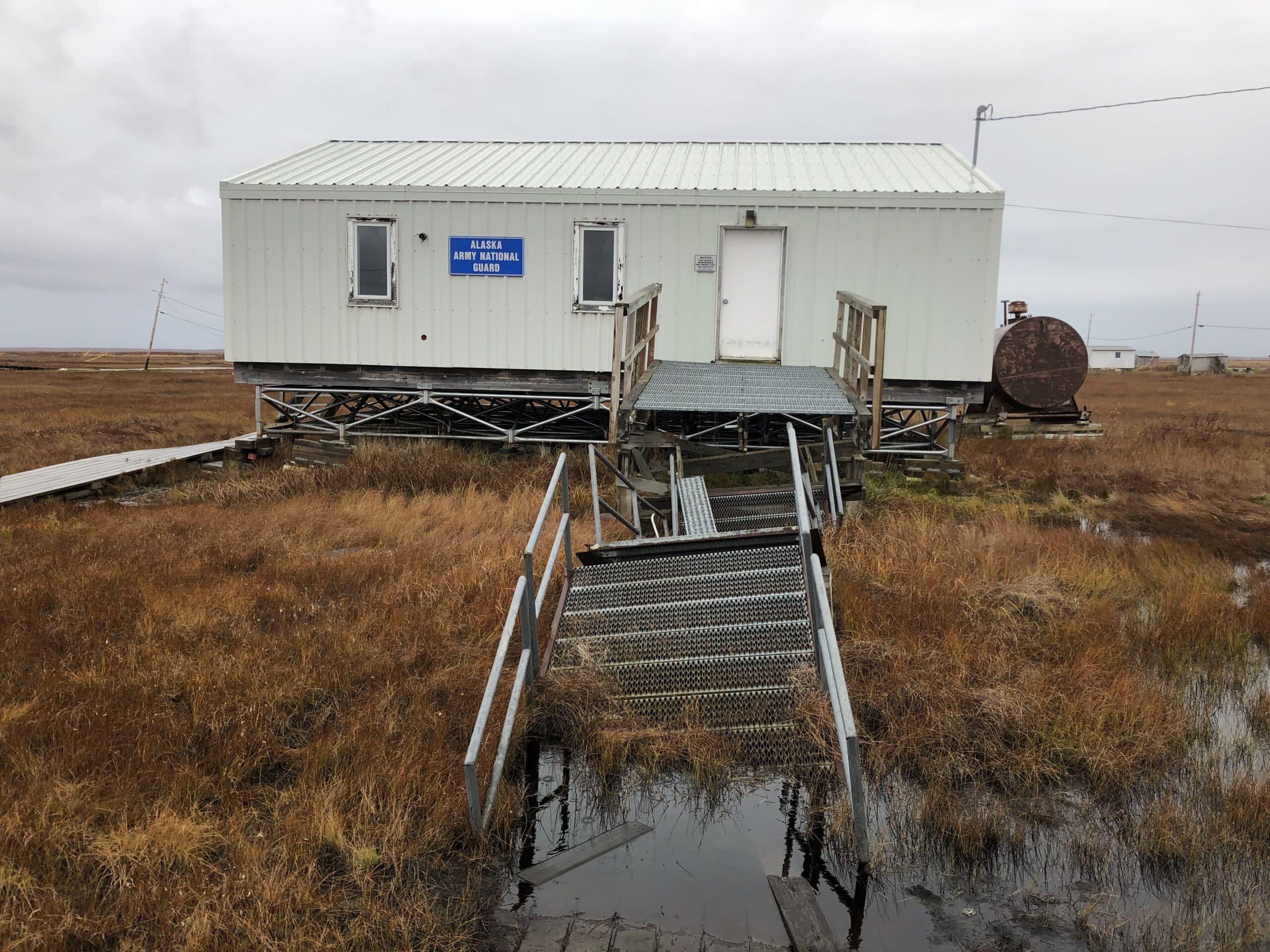
The Arctic is a realm of stark contrasts—where the silence of endless ice is punctuated by the sudden cry of a snowy owl cutting through the frigid air. Yet beneath this frozen tableau, a silent transformation is unfolding. Permafrost, that ancient, unyielding foundation of the tundra, is thawing. And with it, the very ground that has cradled generations of Arctic owls is shifting, cracking, and sinking. This isn’t merely a geological curiosity; it’s a biological upheaval with consequences that ripple through the food web, the nesting habits of apex predators, and the delicate balance of an ecosystem already teetering on the edge of irrevocable change.
The Frozen Cradle: How Permafrost Shaped Arctic Nesting Grounds
For millennia, permafrost has been the silent architect of the Arctic landscape. Its frozen grip has locked moisture in place, creating the damp, mossy hummocks that dot the tundra—perfect for the burrows of snowy owls and other ground-nesting birds. These elevated mounds, known as *palsas* or *pingos*, rise like natural citadels above the soggy lowlands, offering insulation from the cold while providing a vantage point for predators. The permafrost’s stability meant that once a nesting site was chosen, it remained viable for decades, if not centuries. But as the Arctic warms at a rate nearly four times faster than the global average, this frozen cradle is fracturing.
The thaw doesn’t just soften the ground—it destabilizes it. As ice wedges within the permafrost melt, the soil collapses, creating sinkholes and uneven terrain. Nesting burrows, once secure in their elevated positions, now teeter on the brink of collapse. For an owl, a nest isn’t just a home; it’s a fortress against predators, a nursery for fledglings, and a symbol of survival in one of Earth’s most unforgiving climates. When the ground beneath it gives way, the entire cycle of life is thrown into disarray.
The Unseen Thaw: How Permafrost Degradation Alters Microclimates
Permafrost thaw isn’t just a surface-level phenomenon—it’s a subterranean revolution. As the frozen soil melts, it releases trapped gases, alters drainage patterns, and even changes the local hydrology. The once-reliable moisture balance of the tundra is disrupted, leading to either waterlogged bogs or parched, cracked earth. For Arctic owls, which rely on a precise microclimate to incubate their eggs and rear their young, these shifts are catastrophic.
Consider the *thermokarst* lakes that form when permafrost thaws unevenly, creating a patchwork of open water and unstable ground. These lakes can flood nesting sites or, conversely, drain them entirely, leaving eggs exposed to predators or the elements. Meanwhile, the loss of permafrost’s insulating properties means that even in summer, the ground may not warm enough to support the burrow-dwelling insects and small mammals that owls depend on for food. The result? A double-edged sword: fewer safe nesting grounds and scarcer prey, forcing owls to expend more energy in search of sustenance.
The Predator’s Dilemma: Adaptation or Extinction?
Nature is nothing if not resilient, and Arctic owls are no exception. Some populations have begun to adapt, shifting their nesting habits to higher elevations or seeking out alternative substrates like rock crevices or abandoned dens. Yet adaptation comes at a cost. These new nesting sites may lack the insulation of permafrost, leaving eggs vulnerable to temperature swings. Predators, too, are adapting—grizzly bears, foxes, and even ravens are increasingly targeting owl nests as traditional prey becomes scarce.
But adaptation has its limits. For species already operating at the edge of their ecological niche, the pace of change may outstrip their ability to evolve. The snowy owl, a symbol of Arctic resilience, now faces a future where its ancestral nesting grounds are vanishing before its eyes. The irony is stark: a creature built for endurance is being undone by the very ground it once trusted.
The Ripple Effect: How Permafrost Thaw Reshapes the Entire Ecosystem
The impact of permafrost thaw extends far beyond owl nests. Lemmings, the primary prey of snowy owls, rely on the stability of the tundra to thrive. As permafrost degrades, lemming populations fluctuate wildly, leading to boom-and-bust cycles that leave owls struggling to find consistent food sources. Meanwhile, the loss of permafrost alters plant communities, favoring shrubs over grasses and further disrupting the food web. Even the Arctic’s iconic caribou herds are affected, as thawing ground makes migration routes impassable and reduces the lichen they depend on.
This interconnectedness underscores a harsh truth: the Arctic is not a collection of isolated species but a single, fragile tapestry. When one thread frays, the entire fabric weakens. The plight of the snowy owl is a canary in the coal mine—a visible symptom of a deeper malaise that threatens to unravel the Arctic’s ecological integrity.
The Human Footprint: How Our Actions Accelerate the Thaw
While permafrost thaw is a natural process, human activity has accelerated it to unprecedented speeds. The burning of fossil fuels, deforestation, and industrial development release greenhouse gases that trap heat in the atmosphere, warming the Arctic at an alarming rate. Even seemingly distant actions, like the production of concrete or the use of certain refrigerants, contribute to the problem. The Arctic, often seen as a remote and untouched wilderness, is in fact one of the most directly impacted regions by human activity.
Yet this is not a story of inevitability. The Arctic’s fate is not sealed. By reducing our carbon footprint, supporting sustainable development, and advocating for policies that prioritize climate action, we can slow the thaw and give the Arctic’s ecosystems a fighting chance. The snowy owl, with its piercing gaze and silent flight, is more than just a charismatic species—it is a reminder of what we stand to lose if we fail to act.
The Future of the Frozen North: A Call to Witness and Act
The Arctic is changing, and with it, the world as we know it. The thawing permafrost is not just a scientific curiosity; it is a warning. A warning that the ground beneath our feet is not as stable as we once believed. A warning that the creatures we share this planet with are running out of time. And a warning that our own future is inextricably linked to the fate of the Arctic.
The snowy owl, with its snowy plumage and piercing yellow eyes, has long been a symbol of the wild, untamed North. But today, it is also a symbol of our collective failure—and our potential redemption. If we choose to see it. If we choose to act.