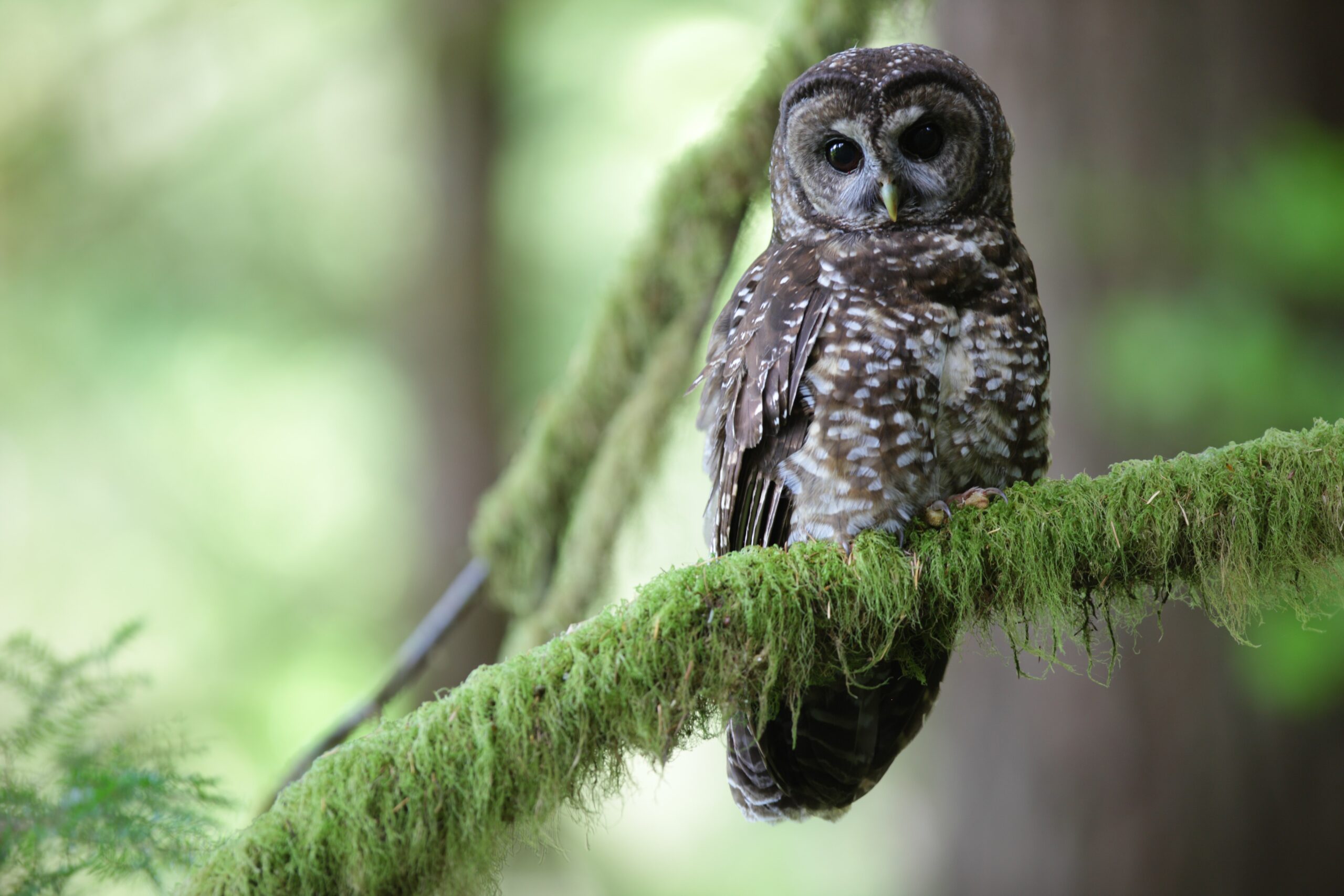
Can a silent flurry of feathers whisper the ancient tales of the Pacific Northwest, or does the elusive spotted owl challenge us to unravel mysteries long concealed in the misty forests? This enigmatic bird, draped in mottled plumage perfectly at home among towering old-growth trees, is far more than just a creature of the night. It is a living emblem woven deeply into the cultural tapestries of Indigenous peoples, a bearer of stories that pulse with spiritual vigor and timeless wisdom. Yet, how often do we pause to consider the stories nestled in these forests, carried in the hoots and glides of the spotted owl? Delving into Indigenous traditions reveals a captivating mosaic of narratives, symbolism, and relationships that enrich our understanding of both the bird and the human spirit intertwined with its fate.
The Spotted Owl as a Spiritual Emissary
In the sacred worldviews of many Indigenous tribes across the Pacific Northwest, the spotted owl transcends mere existence as wildlife, embodying a potent spiritual emissary. These birds are often perceived as messengers from the spirit realms, their haunting calls in the darkness bridging the tangible and the ethereal. Among tribes such as the Coast Salish and the Lummi, the owl is not merely an observer of the night but a guide to intangible knowledge, a bearer of warnings and blessings. Their presence in a community’s vicinity might signal an approaching change, a call to mindfulness, or even a need for reflection and respect toward the environment.
The owl’s nuanced symbolism varies across Indigenous narratives, but a recurrent motif is its role as an intermediary between the seen and unseen worlds. This complex portrayal imbues the bird with a mystique that invites both reverence and caution. It is intriguing to ponder how such nuanced interpretations might alter the way contemporary society perceives wildlife and the interconnectedness of ecosystems.
Oral Traditions: Stories That Enchant and Teach
Oral storytelling forms the backbone of Indigenous knowledge systems, where the spotted owl often emerges as a character rich with allegorical significance. These stories serve multiple purposes: they educate younger generations about respect for the natural world, encode historical events, and articulate moral lessons vital for communal harmony. One traditional tale recounts how the owl’s keen eyesight and nocturnal wisdom saved a lost child, underscoring themes of protection, guidance, and survival.
In other narratives, the spotted owl’s elusive nature is metaphorically linked to the elusive understanding of nature’s deeper mysteries. These stories challenge listeners to embrace curiosity and humility. Such narratives invite us to consider: what lessons remain hidden in the shadows of our forests, waiting to be illuminated by cultural memory and attentive hearing? Through these oral traditions, the spotted owl becomes not just a bird but a keeper of ancestral knowledge.
Ecological Knowledge Embedded in Lore
Beyond spiritual and moral realms, Indigenous stories about the spotted owl encode sophisticated ecological wisdom. The survival of the species is intertwined with old-growth forests and the health of complex ecosystems, knowledge consistently reinforced through traditional teachings. Indigenous peoples, as stewards of these lands for millennia, have passed down observations of the owl’s habits, behaviors, and habitat needs, creating an intricate web of ecological understanding.
This interlacing of myth and empirical knowledge reveals an ancient form of environmental stewardship—one that aligns closely with contemporary conservation efforts. The spotted owl’s reliance on specific forest conditions reflects broader lessons about environmental balance and the consequences of disruption. The stories and legends become living manuals for sustainable coexistence, inviting us to appreciate the environment not as a resource to be exploited but as a sacred entity to be respected.
Challenges in Preserving the Cultural and Natural Legacy
Despite the rich reservoir of stories and deep cultural connections, the vitality of the spotted owl and the traditions surrounding it face pressing challenges. Habitat loss from logging and land development has imperiled the owls, while the decline of these birds threatens to erode the cultural fabric that regards them as essential spiritual and ecological symbols. The question arises: how can Indigenous communities and broader society jointly safeguard this intertwined legacy?
Efforts to remove competing species that encroach on the spotted owl’s habitat have sparked debates that echo beyond biology into the realm of cultural identity and rights. Incorporating Indigenous voices in conservation dialogues proves essential, as their perspectives offer a holistic model that honors both biodiversity and heritage. Each loss of a spotted owl is not just an ecological setback but a poignant diminishment of the stories, songs, and wisdom encased in Indigenous memory.
Revitalization: Reawakening Forgotten Connections
Across the Pacific Northwest, there is a growing movement to revive and celebrate Indigenous traditions related to the spotted owl, melding cultural renaissance with environmental activism. Storytelling circles, educational programs, and cultural events serve to reignite the sacred bonds between people and owls, reaffirming identity and stewardship in tandem. These initiatives wield the power to transform how communities relate to their natural surroundings and urge a mindful guardianship of shared legacies.
Such revitalization efforts also stimulate introspection about our relationship with nature at large. Could the spotted owl, through its grace and symbolic weight, inspire a collective rediscovery of reverence—beyond utilitarian views toward a soulful kinship? Embracing these teachings might not only aid the owl’s survival but rejuvenate a universal respect for life in all its forms.
Conclusion: Listening to the Whispering Wings
The spotted owl’s legendary whispers in the shadowed forests beckon us to reconsider the narratives we cherish and the natural wonders we protect. Rooted deeply in the cultural heritage of Indigenous Pacific Northwest peoples, these owls are not mere inhabitants of the night but emblematic keepers of ancestral wisdom and ecological balance. The stories we inherit remind us that survival is not purely a biological imperative but a sacred trust—a challenge inviting us to listen closely to the silent wings and the profound tales they carry. Will we heed their call before it is too late?