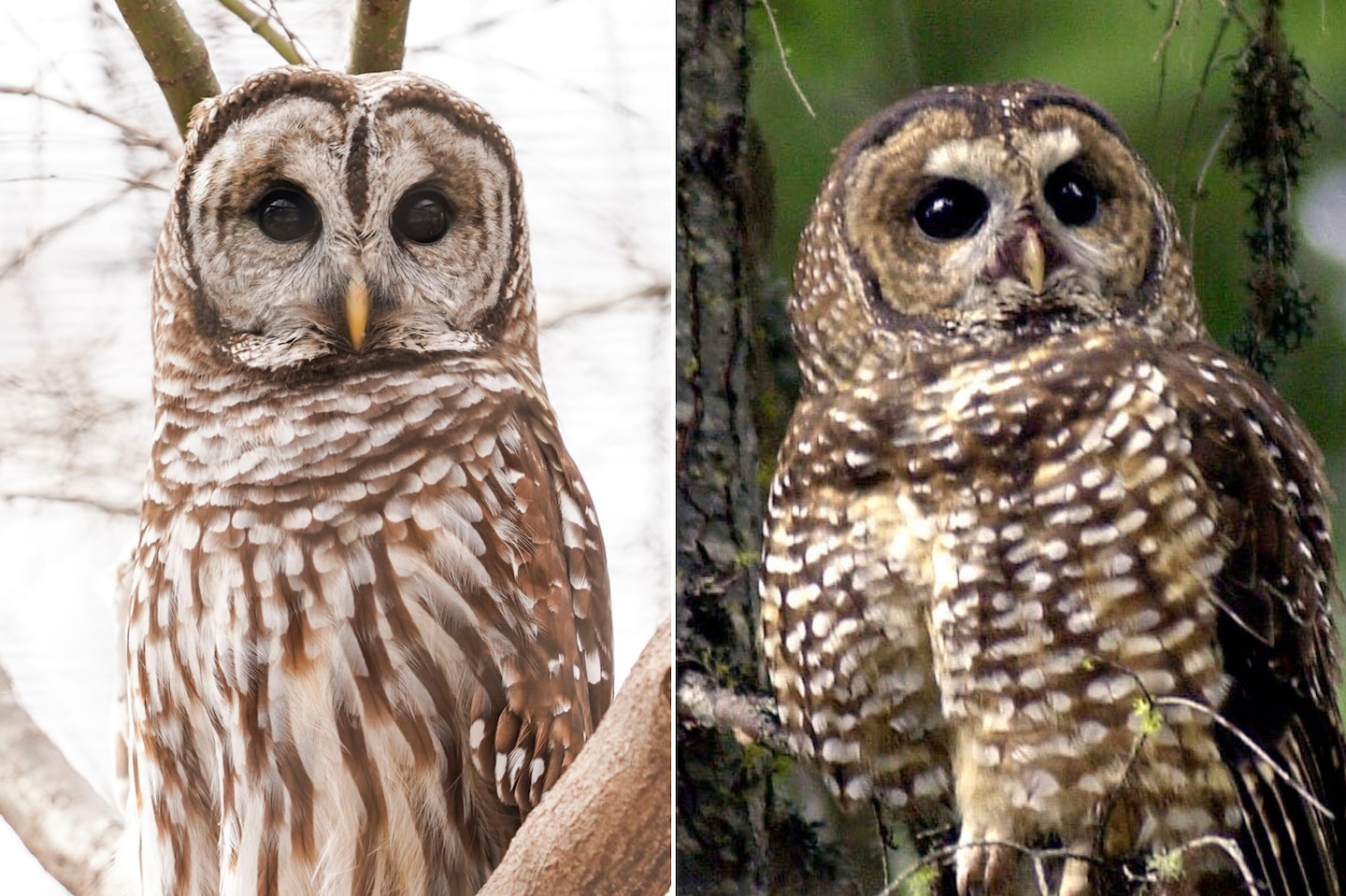
The night forest hums with a hush so deep it feels like the world has paused to listen. Somewhere above, an owl glides on silent wings, its gaze sharp as a blade honed by centuries of twilight hunting. Yet, this sentinel of the shadows is not merely a creature of myth or folklore—it is a living paradox, both revered and relentlessly hunted. The demand for owl feathers and eggs persists, not as a relic of ancient superstition, but as a modern-day quandary, woven into the fabric of global trade, cultural symbolism, and ecological consequence. What is it about these silent hunters that makes their parts so coveted? And why, in an age of conservation and enlightenment, does the allure of their feathers and eggs still cast such a long, dangerous shadow?
The Allure of the Feather: A Relic Woven into Human Psyche
Feathers are not mere adornments; they are whispers of the wild, fragments of flight captured in keratin. Among birds, owl feathers hold a singular mystique. Their velvety texture, the way light seems to dissolve into their muted grays and browns, gives them an almost supernatural sheen. This is no accident. Owls evolved for stealth, their plumage designed to muffle sound and absorb light. To humans, such mastery over perception feels like a secret—one that can be worn, traded, or displayed as a trophy of the untamed.
In many cultures, owl feathers are not just decorative; they are talismans. Indigenous traditions across North America, from the Great Plains to the Pacific Northwest, have long used owl feathers in ceremonial regalia, believing they carry the wisdom of the night. In some African societies, they are woven into headdresses to invoke clairvoyance. Even in contemporary fashion, their rarity and texture make them prized in haute couture and bohemian aesthetics alike. The feather, once a bridge between the human and the otherworldly, has become a commodity—one that blurs the line between reverence and exploitation.
The Egg as a Canvas: Fragility and the Desire for the Unattainable
If feathers are the silent poetry of the owl, then eggs are its most vulnerable verse. Small, speckled, and impossibly delicate, they are the beginning of life—yet they are also coveted as collectibles. The demand for owl eggs is less about aesthetics and more about rarity. Unlike feathers, which can sometimes be shed naturally, eggs are finite. A clutch represents a single, fleeting moment in time, a biological miracle that cannot be replicated. This scarcity fuels a black market where eggs are traded like rare coins or vintage wines, their value inflating with each passing season.
Collectors often justify their pursuit with claims of scientific study or preservation, yet the reality is far murkier. Many owl species are protected under international law, their eggs listed alongside ivory and rhino horn in the pantheon of illicit wildlife trade. The act of taking an egg is not just theft from nature; it is a severing of lineage, a silent erasure of genetic legacy. And yet, the allure persists. There is something almost perverse in the human fascination with possessing the unattainable—a desire to hold the unholdable, to freeze a moment that was never meant to be frozen.
The Shadow Trade: How Demand Fuels Ecological Ruin
The market for owl feathers and eggs is not a cottage industry; it is a global network, fed by poachers, middlemen, and unscrupulous buyers. In some regions, entire ecosystems are being hollowed out by this trade. Owls, already stressed by habitat loss and climate change, now face an additional threat: the relentless pursuit of their parts. The irony is stark. While conservationists work tirelessly to protect these birds, others are willing to pay exorbitant sums for a single feather or egg, driving species closer to extinction.
This is not merely a problem of supply and demand. It is a crisis of perception. To the uninitiated, an owl feather might seem like a harmless trinket. But each one represents a life interrupted, a predator silenced, a balance disrupted. The trade does not exist in a vacuum; it is part of a larger pattern of exploitation that treats wildlife as disposable. From pangolin scales to tiger bones, the commodification of nature’s most vulnerable creatures is a stain on humanity’s conscience. And yet, the demand for owl parts persists, a testament to how deeply ingrained the idea of ownership over the wild still runs.
The Psychological Pull: Why We Still Chase the Unobtainable
To understand why owl feathers and eggs remain in demand, we must examine the human psyche. There is a primal thrill in possessing something rare, something that others cannot have. Owls, with their nocturnal majesty and elusive nature, embody this allure. Their feathers and eggs are not just objects; they are symbols of a world that exists beyond human reach—a world of mystery, danger, and untamed beauty.
This fascination is not entirely irrational. Owls have long been associated with knowledge, mystery, and even prophecy. In ancient Greece, the owl was the companion of Athena, goddess of wisdom. In Japanese folklore, they were omens of both good and ill fortune. Today, this symbolism has been repurposed into a marketable mystique. The feather becomes a badge of insight; the egg, a relic of the arcane. But beneath the romanticism lies a darker truth: the desire to possess these items is often less about admiration and more about control. To own an owl feather is to claim a piece of the wild, to tame the untamable.
The Path Forward: Conservation, Culture, and the Need for Change
Breaking the cycle of demand requires more than laws and enforcement—it demands a shift in cultural values. Conservation efforts must go hand in hand with education, highlighting the ecological role of owls and the consequences of their exploitation. Indigenous communities, who have long coexisted with these birds, offer a model of respect and reciprocity that modern society would do well to emulate.
Alternatives to the trade are already emerging. Sustainable fashion brands are turning to ethically sourced materials, while conservation organizations are working to protect owl habitats and reduce human-wildlife conflict. The key lies in reframing the narrative: instead of seeing owls as trophies to be collected, we must view them as guardians of the night, essential threads in the web of life. Their feathers and eggs are not commodities; they are testaments to the wild’s enduring mystery.
The night forest still hums with possibility. But the silence grows louder with each feather plucked and each egg taken. The choice is ours: to continue chasing the unattainable, or to step back and let the owls—and the wild—thrive on their own terms.