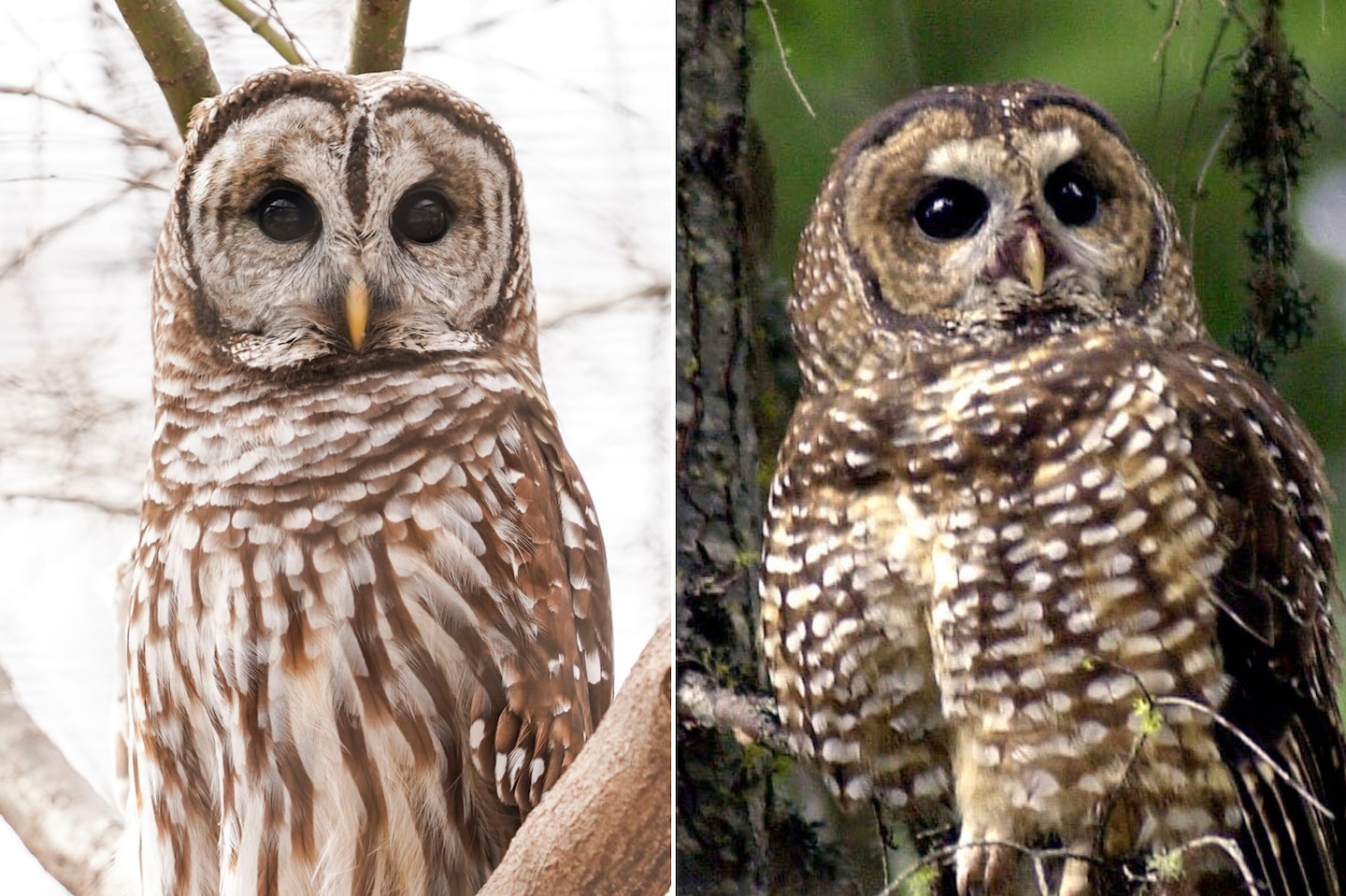
The barred owl, a charismatic and adaptable raptor, has long been a subject of fascination among birdwatchers and conservationists alike. Yet, in recent years, this species has found itself at the center of a bitterly contested debate—one that pits ecological necessity against ethical quandaries, and scientific pragmatism against public sentiment. The decision by wildlife officials to cull hundreds of thousands of barred owls in an attempt to save their imperiled relatives, the northern spotted owls, has sent ripples through the conservation community, sparking a schism that transcends traditional boundaries of environmental advocacy.
The Ecological Imperative: Why Barred Owls Must Be Sacrificed
The northern spotted owl, a relic of ancient Pacific Northwest forests, has been in steep decline for decades, its habitat steadily eroded by logging and wildfires. Enter the barred owl, a more aggressive and adaptable cousin that has expanded its range westward, outcompeting the spotted owl for food and nesting sites. Studies reveal a grim reality: where barred owls establish dominance, spotted owl populations plummet by as much as 75%. Conservationists argue that without drastic intervention, the spotted owl faces imminent extinction—a fate that would unravel an entire ecosystem.
Proponents of culling point to the stark data: barred owls are not native to the West Coast, having migrated from eastern forests in the early 20th century. Their presence is an ecological anomaly, one that disrupts the delicate balance of an already fragile habitat. To some, the solution is clear—remove the invasive threat to preserve the native species. Yet, this logic is not without its detractors, who question whether humanity has the right to play executioner in the name of conservation.
The Ethical Dilemma: Can We Justify the Cull?
The act of killing one species to save another is a moral minefield, one that forces us to confront uncomfortable truths about our relationship with nature. Critics argue that culling barred owls sets a dangerous precedent—one where we decide which animals live or die based on human-defined utility. If barred owls are deemed expendable because they disrupt ecosystems, what’s to stop us from applying the same logic to other species deemed “invasive” or “undesirable”?
Moreover, the barred owl is not inherently malicious. It is a survivor, thriving in environments altered by human activity. Its adaptability is a testament to nature’s resilience, not a flaw to be eradicated. Conservation biologists like Dr. R. William McDiarmid have warned that such interventions risk undermining public trust in wildlife management, turning conservation into a game of playing God with biodiversity. The ethical weight of this decision lingers, a shadow over the scientific rationale.
The Public Divide: Science vs. Sentiment
Public reaction to the barred owl culling plan has been anything but uniform. On one side, environmental groups and scientists argue that the ends justify the means—extinction is irreversible, and every spotted owl saved is a victory. On the other, animal rights activists and bird enthusiasts decry the plan as a betrayal of wildlife, a cold-hearted sacrifice of one species for another. Social media has become a battleground, with viral videos of barred owls eliciting sympathy and outrage in equal measure.
This divide reflects a broader tension in modern conservation: the clash between utilitarianism and compassion. Should we prioritize ecological function over individual lives? Can we truly claim to protect nature while simultaneously deciding which lives are worth saving? The barred owl debate forces us to grapple with these questions, revealing a society deeply conflicted about its role in the natural world.
Alternative Solutions: Is There a Middle Ground?
Amid the controversy, some conservationists propose less drastic measures. Habitat restoration, for instance, could provide spotted owls with more nesting grounds, reducing competition. Others advocate for translocating barred owls to eastern forests, though this carries its own risks—disrupting new ecosystems while failing to address the root cause of the spotted owl’s decline. Fertility control, a non-lethal method, has also been explored, though its scalability remains uncertain.
Yet, these alternatives are not without challenges. Habitat restoration is a slow process, and barred owls reproduce rapidly, outpacing conservation efforts. Fertility control requires sustained funding and public buy-in, neither of which are guaranteed. The urgency of the spotted owl’s plight leaves little room for trial and error, pushing wildlife managers toward more immediate solutions—even if those solutions are morally fraught.
The Broader Implications: What Does This Mean for Conservation?
The barred owl culling debate is more than a localized conflict—it is a microcosm of the larger challenges facing conservation in the Anthropocene. As human activity reshapes ecosystems at an unprecedented pace, we are increasingly forced to make impossible choices. Do we prioritize native species over adaptable invaders? Do we intervene in nature’s course, or do we step back and accept the consequences? The barred owl dilemma forces us to confront these questions head-on, challenging the very foundations of conservation ethics.
Some experts warn that the precedent set by this cull could embolden future interventions, leading to a slippery slope where species are eliminated based on convenience rather than necessity. Others argue that inaction is equally perilous, allowing ecosystems to collapse under the weight of unchecked change. The barred owl debate is not just about owls—it is about the future of conservation itself, and whether we are willing to accept the moral and ethical complexities that come with playing an active role in shaping nature.
A Call for Reflection and Dialogue
As the debate rages on, one thing is clear: there are no easy answers. The barred owl culling plan is a stark reminder of the difficult trade-offs inherent in conservation. It challenges us to reconsider our definitions of “native” and “invasive,” to question the limits of our intervention, and to ask ourselves what we truly owe to the natural world. Perhaps the most pressing question is not whether we should cull barred owls, but whether we can find a way to coexist with nature without resorting to such drastic measures.
In the end, the barred owl debate is a mirror held up to society—a reflection of our fears, our hopes, and our uneasy relationship with the wild. It is a conversation that demands nuance, empathy, and a willingness to embrace complexity. The fate of the spotted owl may hang in the balance, but so too does the soul of conservation itself.