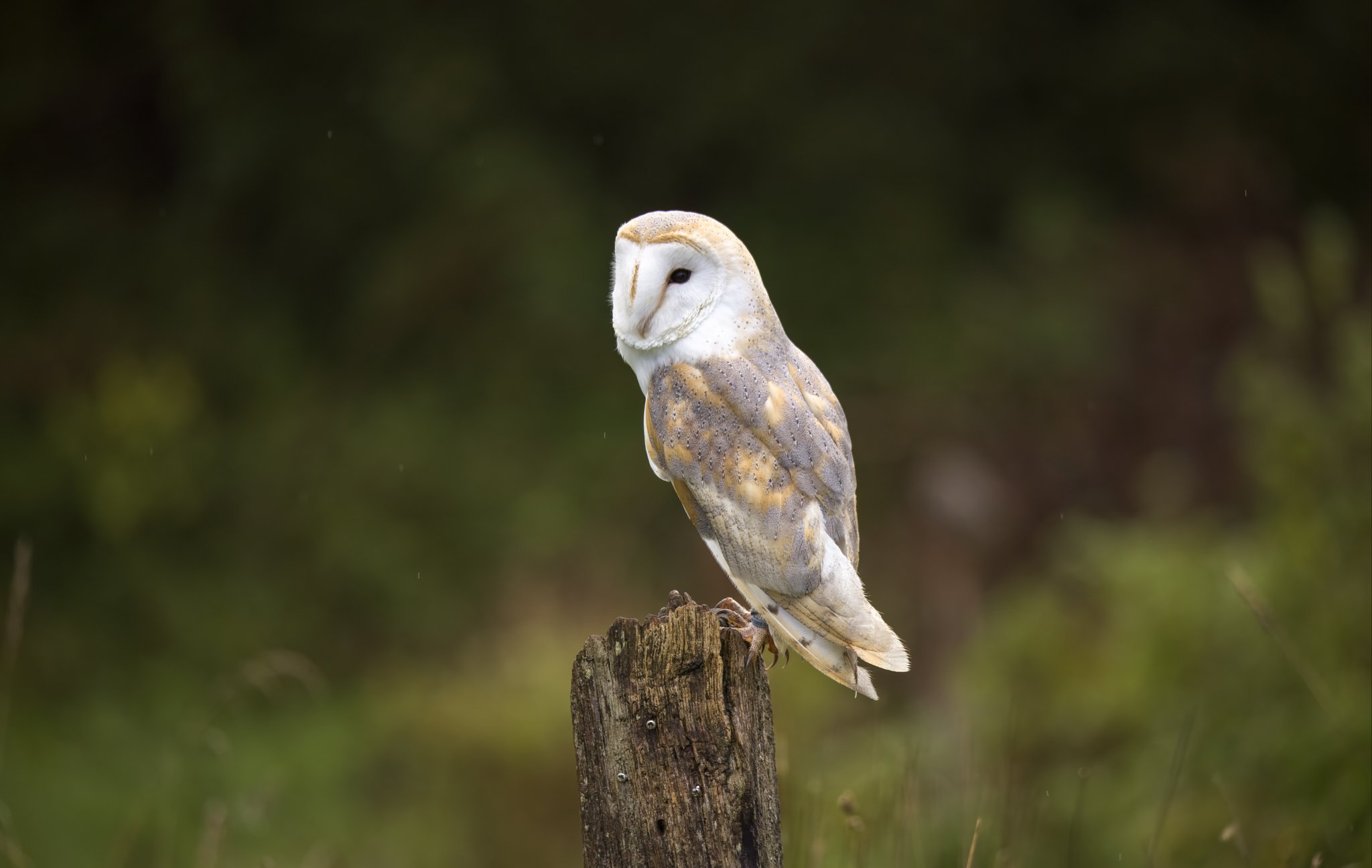
What if the very companies claiming to save our feathered friends are actually sabotaging them? Beneath the glossy veneer of corporate sustainability campaigns lies a shadowy practice known as greenwashing—a deceptive art that lulls consumers into believing they’re supporting noble causes while doing little to nothing, or worse, actively harming the very ecosystems they pretend to protect. Nowhere is this more apparent than in the realm of owl conservation, where the stakes couldn’t be higher. These silent sentinels of the night, guardians of ecological balance, are increasingly caught in the crossfire of corporate PR stunts disguised as environmental stewardship. Let’s peel back the layers of this modern-day masquerade to uncover how greenwashing isn’t just a harmless fib—it’s a silent killer of conservation efforts.
The Illusion of Impact: When Sustainability Becomes a Facade
Picture this: a multinational corporation unveils a new line of “eco-friendly” products, adorned with images of wise old owls perched on sustainable branches. The marketing blitz is relentless—social media buzz, glossy brochures, celebrity endorsements. But here’s the catch: the company’s actual operations contribute to deforestation, pesticide overuse, or light pollution, all of which are catastrophic for owl populations. This isn’t just a minor discrepancy; it’s a full-blown betrayal of trust. Greenwashing thrives on the gap between perception and reality, and in the case of owl conservation, that gap is often a chasm.
Consider the term “carbon-neutral” emblazoned on a product. It sounds noble, doesn’t it? Yet, without verifiable third-party audits, this claim is about as trustworthy as a fox guarding a henhouse. Owls, those nocturnal acrobats of the sky, rely on pristine habitats free from the encroachment of industrial sprawl. When corporations slap a “green” label on their operations without substantiating their claims, they’re not just misleading consumers—they’re diverting attention from the real work of conservation. Funds that could have gone toward protecting owl habitats are instead funneled into marketing campaigns that do nothing to address the root causes of their decline.
The Resource Drain: How Greenwashing Steals from Conservation
Every dollar spent on a misleading sustainability campaign is a dollar not spent on genuine conservation efforts. This is the insidious economics of greenwashing—a resource drain disguised as philanthropy. Conservation organizations, already stretched thin, find themselves competing for funding against corporations that have mastered the art of virtue-signaling. Why donate to a struggling owl sanctuary when you can buy a “sustainable” coffee brand that promises to “save the rainforest” (while doing little more than slapping a new label on the same old beans)?
The ripple effects are devastating. Habitat restoration projects stall. Research into owl behavior and migration patterns gets underfunded. Local communities, which often bear the brunt of corporate exploitation, are left without the resources to implement real solutions. Greenwashing doesn’t just distort the truth—it siphons away the lifeblood of conservation. And the owls? They pay the price in lost nesting sites, contaminated prey, and disrupted hunting grounds.
The Psychology of Deception: Why We Fall for It (And How to Stop)
Humans are wired to trust narratives of hope and progress. We want to believe that the companies we support are making a difference, especially when it comes to something as universally beloved as owls. This psychological vulnerability is precisely what greenwashing preys upon. By weaving a compelling story—one that often includes charismatic animals and feel-good slogans—corporations tap into our innate desire to do good. But here’s the twist: our trust is being weaponized against the very causes we hold dear.
Breaking free from this cycle requires a shift in how we consume information. Instead of taking marketing claims at face value, we must demand transparency. What specific actions is the company taking to support owl conservation? Are they partnering with verified conservation groups? Have they implemented measurable changes in their operations? The burden of proof shouldn’t fall on the consumer—it should be a non-negotiable standard for any company claiming to be “green.” Until then, we’re not just passive participants in this charade; we’re complicit in its success.
The Domino Effect: How Greenwashing Fuels Ecosystem Collapse
The consequences of greenwashing extend far beyond the realm of owls. These birds are keystone species, meaning their survival is intricately linked to the health of entire ecosystems. When owls disappear, rodent populations explode, leading to crop damage and the spread of disease. Pollinators, already under siege from habitat loss, face even greater threats. The web of life is delicate, and greenwashing unravels it one thread at a time. By propping up false sustainability narratives, corporations aren’t just harming owls—they’re accelerating the collapse of the ecosystems we all depend on.
Take the issue of light pollution, for instance. Owls rely on darkness to hunt and navigate. Yet, many “green” corporations continue to expand urban sprawl, replacing natural habitats with sprawling developments bathed in artificial light. The irony? These same companies might sponsor a social media campaign about “protecting nocturnal wildlife.” It’s a cruel joke, one that underscores how greenwashing isn’t just a marketing tactic—it’s a form of ecological sabotage.
What Real Change Looks Like: Moving Beyond the Greenwash
So, how do we turn the tide? The first step is to recognize that greenwashing isn’t an accident—it’s a calculated strategy. Corporations know that consumers are increasingly eco-conscious, and they’ve learned to exploit that awareness for profit. The solution lies in holding them accountable. Support organizations that prioritize transparency and measurable impact. Advocate for regulations that penalize false advertising. And most importantly, refuse to engage with brands that treat conservation as a PR stunt rather than a moral imperative.
Real change also means redefining what sustainability looks like. It’s not enough to offset carbon emissions by planting a few trees while continuing to clear forests. True stewardship requires systemic change—reducing waste, eliminating harmful chemicals, and respecting the boundaries of nature. For owls, this means preserving old-growth forests, minimizing light pollution, and adopting agricultural practices that don’t poison their prey. It’s a tall order, but it’s the only way forward.
The Owl’s Plight: A Call to Action
The owl’s haunting call echoes through the night, a reminder of the wild places we’re losing. But it’s also a rallying cry—a challenge to see through the greenwash and demand better. The next time you encounter a company touting its “eco-friendly” credentials, ask yourself: What’s the real story here? Are they walking the walk, or just talking the talk? The fate of our owl populations—and the ecosystems they sustain—depends on the answers we choose to believe.
So, let’s not be fooled by the illusion of progress. Let’s demand authenticity. Let’s champion the organizations that are making a tangible difference. And let’s ensure that the only thing glowing in the night is the moon—not the hollow promises of corporate greenwashing.