There is a quiet magic in the night, a hush so profound it feels like the earth itself is holding its breath. Then, a whisper of wings cuts through the darkness—a sound so subtle, so fleeting, that it could be mistaken for the wind. Yet, it is the unmistakable presence of an owl, a creature of paradox: both predator and guardian, silent sentinel of the unseen world. For centuries, these birds have been woven into the fabric of human imagination, symbols of wisdom and mystery. But beyond their cultural lore lies a role far more tangible, one that hums in the background of ecosystems worldwide. Owls, it turns out, are unsung heroes in the grand theater of carbon sequestration, their influence as vital as it is unexpected.
The Silent Hunters and Their Ecological Footprint
Owls are the embodiment of stealth, their flight a masterclass in aerodynamic efficiency. Their feathers, fringed and velvety, muffle sound, allowing them to descend upon prey with the quiet of a falling leaf. This silence is not merely a hunting tactic; it is a testament to their evolutionary prowess, a trait that has allowed them to thrive in niches where other predators falter. But how does this stealth translate into a role in carbon sequestration?
The answer lies in their diet and the cascading effects of their predation. Owls primarily feed on small mammals—rodents, shrews, and the occasional insectivore—creatures that, left unchecked, can wreak havoc on plant life. These small mammals, particularly rodents, are voracious consumers of seeds, saplings, and root systems. By preying on them, owls indirectly protect vegetation, allowing forests and grasslands to flourish. Healthy plant life, in turn, acts as a carbon sink, absorbing atmospheric CO₂ and locking it away in biomass and soil. In this way, the owl’s presence becomes a guardian of carbon, its silent hunts a bulwark against the creeping tide of climate change.

The Soil Beneath the Shadows: Owls and Microbial Alchemy
Beneath the canopy of trees, where the owl’s gaze pierces the gloom, another drama unfolds—one of microbial intrigue. The excrement of owls, rich in nitrogen and phosphorus, acts as a potent fertilizer for the forest floor. When an owl consumes a rodent, the nutrients from its prey are not merely excreted; they are transformed. The nitrogen in the prey’s tissues, once bound in organic matter, is released into the soil as ammonia, a form readily assimilated by plants and soil microbes. This process, known as nutrient cycling, is the lifeblood of terrestrial ecosystems.
But the story doesn’t end there. The enhanced microbial activity spurred by owl-derived nutrients accelerates the decomposition of organic matter, enriching the soil with humus—a dark, stable form of carbon that resists further breakdown. Humus is the unsung hero of carbon sequestration, a sponge that holds moisture and nutrients while locking away carbon for centuries. In this way, the owl’s role extends beyond the visible, delving into the subterranean world where carbon is sequestered not in trees, but in the very earth beneath our feet.
The Trophic Cascade: Owls as Keystone Players
Ecologists speak of keystone species—organisms whose presence or absence sends ripples through an entire ecosystem. Owls, with their far-reaching dietary habits, are prime examples of such keystone players. Consider the humble vole, a staple in many owl diets. A decline in owl populations due to habitat loss or persecution can lead to a vole population explosion. These rodents, in turn, decimate young trees and shrubs, transforming forests into grasslands and reducing the landscape’s capacity to sequester carbon. The loss of owls thus triggers a trophic cascade, a domino effect that reshapes entire ecosystems.
In agricultural landscapes, owls serve as natural pest controllers, reducing the need for chemical interventions that can degrade soil health and carbon storage. Their presence in farmlands not only curtails rodent damage but also fosters biodiversity, creating a mosaic of habitats that support a variety of carbon-sequestering plants. The owl, in this context, becomes a silent partner in sustainable agriculture, its ecological services translating into tangible benefits for both the environment and human economies.
The Night’s Carbon Budget: Quantifying the Owl’s Impact
Measuring the exact contribution of owls to carbon sequestration is a complex endeavor, one that requires peering into the intricate web of ecological interactions. However, emerging research suggests that the presence of owls can increase carbon storage in ecosystems by up to 30% in some cases. This staggering figure stems from their role in maintaining plant health, enhancing soil fertility, and promoting biodiversity—all of which contribute to a more robust carbon sink.
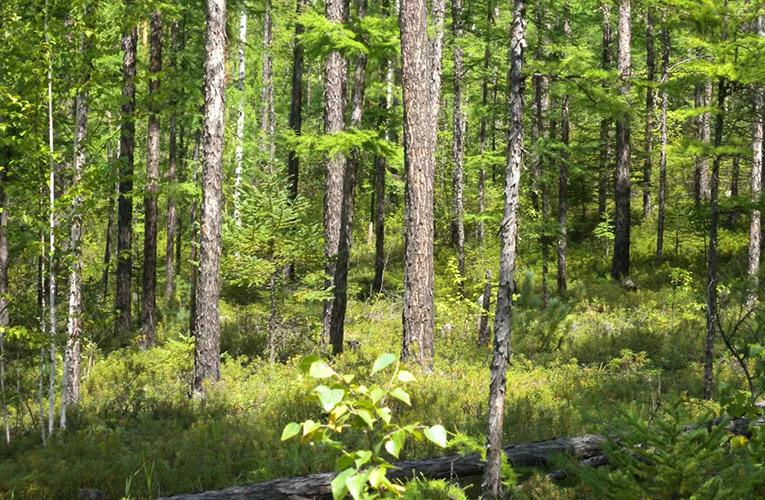
Forests with thriving owl populations exhibit greater structural complexity, with a mix of young and old trees, understory plants, and diverse microbial communities. This complexity translates into higher rates of photosynthesis, as well as increased carbon storage in woody biomass and soils. In grasslands, owls help maintain a balance between grasses and forbs, ensuring that the landscape remains a net carbon sink rather than a source. The night, it seems, is not just a time of rest for ecosystems but a period of active carbon capture, with owls as its most enigmatic agents.
The Unseen Guardians: Conservation and the Future of Owls
Despite their ecological importance, owls face a litany of threats—habitat destruction, pesticide use, and persecution, to name a few. The loss of old-growth forests, where many owl species nest, disrupts their breeding cycles and reduces their ability to hunt effectively. Pesticides, while targeting rodents, also poison the owls that feed on them, creating a toxic feedback loop that undermines both predator and prey. Conservation efforts, therefore, must extend beyond protecting individual species to safeguarding the intricate relationships that sustain them.
Rewilding initiatives, which aim to restore natural habitats and reintroduce keystone species, offer a glimmer of hope. By creating corridors for owls to move between fragmented landscapes, we can help them reclaim their ecological roles. Urban and agricultural landscapes, too, can be reimagined to accommodate these silent hunters, with nest boxes and pesticide-free zones serving as beacons of coexistence. The future of carbon sequestration may well depend on our ability to see owls not as relics of the past, but as vital players in the fight against climate change.
A Whisper in the Dark: The Owl’s Legacy
The night belongs to the owl, a creature of twilight and shadow, yet its influence stretches into the light of day. In the quiet of the forest, in the hum of the soil, in the balance of ecosystems, the owl’s presence is a reminder that nature’s wonders are often hidden in plain sight. Their role in carbon sequestration is a testament to the interconnectedness of life, a web of interactions so intricate that even the most unassuming species can hold the threads of the planet’s future.
So the next time you hear the soft hoot of an owl cutting through the darkness, pause. Listen. For in that moment, you are witnessing more than a predator at work—you are hearing the pulse of an ecosystem, the whisper of carbon being drawn from the air and woven into the fabric of the earth. The owl, it seems, is not just a symbol of wisdom. It is a guardian of the balance, a silent architect of the world we all share.