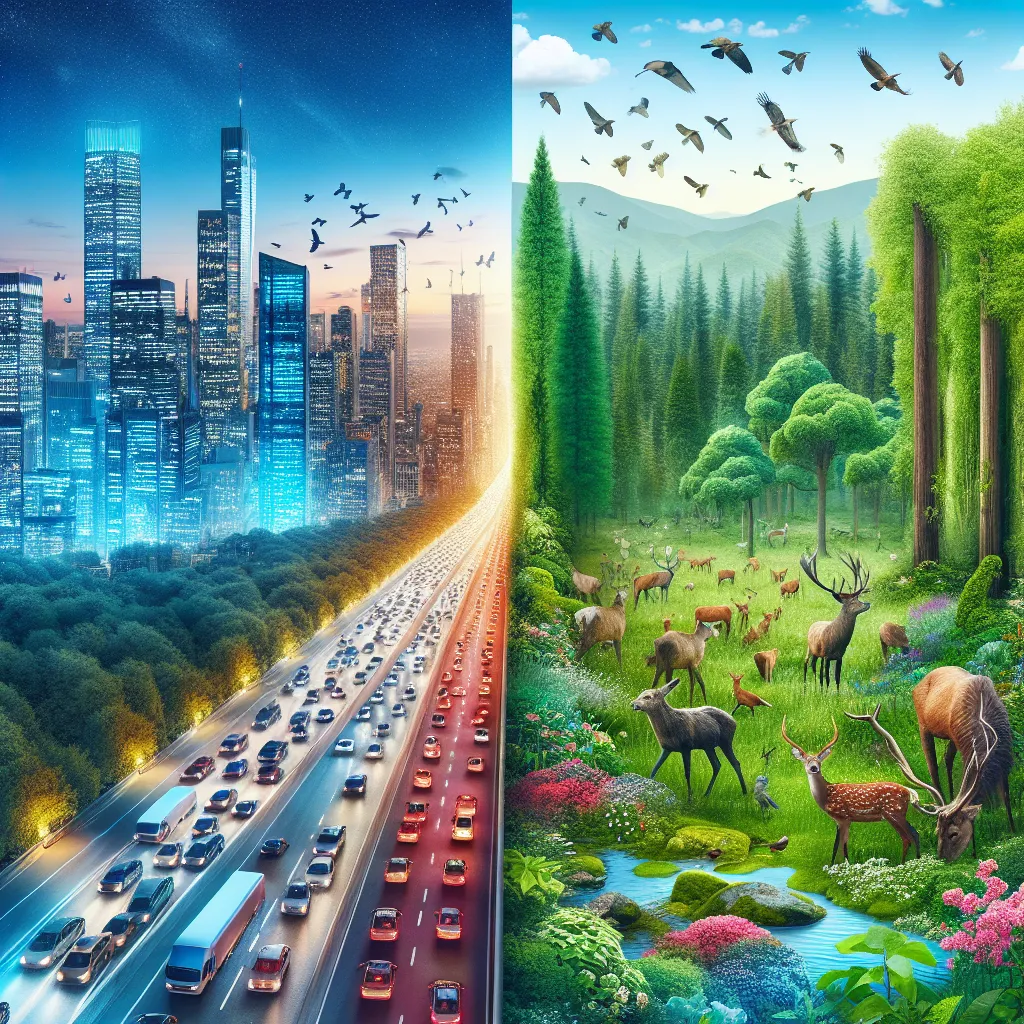
The silent wings of an owl cutting through the twilight sky have long been a symbol of wisdom and mystery. Yet, as urban sprawl devours the edges of forests and wetlands, these nocturnal sentinels face an existential crisis. Urbanization, with its relentless march of concrete and steel, does not merely encroach upon natural habitats—it erases the intricate tapestry of life that has thrived for millennia. The impact on owl populations is not just a footnote in ecological decline; it is a stark reminder of how human progress often comes at the cost of the wild and the unseen. To understand this phenomenon, we must delve into the multifaceted ways urbanization disrupts owl habitats, the cascading effects on ecosystems, and the urgent need for a harmonious balance between development and conservation.
The Vanishing Edges: How Urban Sprawl Fragmentizes Critical Habitats
Owls, particularly species like the Great Horned Owl or the Barn Owl, are creatures of edge habitats—those liminal zones where forests meet fields, wetlands border woodlands, and open spaces intermingle with dense vegetation. These edges provide the perfect hunting grounds, offering a bounty of prey such as rodents, insects, and small mammals. Yet, urbanization fractures these edges, carving them into isolated pockets of wilderness surrounded by asphalt and towering structures. The once-continuous corridors that allowed owls to traverse vast territories become fragmented, forcing them into smaller, less viable territories. The result is a tragic paradox: the more we expand our cities, the more we shrink the world of these nocturnal hunters.
Fragmentation does not merely reduce habitat size; it alters the very dynamics of survival. Owls, which rely on stealth and surprise, find their hunting grounds disrupted by artificial lighting, noise pollution, and the constant hum of human activity. The symphony of the night—crickets chirping, leaves rustling—is drowned out by the cacophony of traffic and construction. Even the air itself becomes hostile, laced with pollutants that degrade the health of both owls and their prey. The edges that once teemed with life now resemble islands in a sea of urbanity, and the owls, like castaways, struggle to adapt to an environment that was never meant for them.
The Illusion of Adaptation: When Urbanization Outpaces Evolution
Some species, like the adaptable Peregrine Falcon, have found ways to thrive in urban landscapes. But owls? Their evolutionary journey has been one of specialization, not versatility. Their keen senses, honed over millennia for detecting the faintest rustle of a mouse in the underbrush, are ill-equipped for the sensory overload of a city. Artificial lighting disorients their nocturnal rhythms, while the glare of streetlights can blind them mid-flight. The very adaptations that make them apex predators—silent flight, exceptional hearing—become liabilities in a world of glass facades and roaring engines.
Yet, there are glimmers of resilience. Urban owls, particularly those in less densely populated areas, have been observed nesting in abandoned buildings, church steeples, and even traffic light poles. These makeshift habitats, however, are far from ideal. The absence of natural prey forces them to scavenge from dumpsters or hunt in areas rife with pesticides and rodenticides. The toxins accumulate in their bodies, weakening their immune systems and reducing their reproductive success. Urban owls may survive, but they do not thrive. Their existence is a testament to their tenacity, but also a indictment of our failure to coexist with the wild.
The Silent Extinction: How Urbanization Silences the Night
The most insidious impact of urbanization on owl populations is not the loss of habitat alone, but the erosion of the ecological relationships that sustain them. Owls are not solitary creatures; they are part of a delicate web of interactions that includes their prey, competitors, and even the plants that sustain the entire ecosystem. When urbanization disrupts this web, the consequences ripple outward. Rodents, for instance, are a primary food source for owls, but in urban areas, they are often controlled through poison or habitat destruction. The decline in rodent populations forces owls to seek alternative prey, which may not be as abundant or nutritious. Meanwhile, the loss of natural predators like foxes or larger birds of prey allows rodent populations to explode, creating a cycle of imbalance that ultimately harms the owls themselves.
Even the soil beneath an owl’s talons is not immune to the effects of urbanization. Pesticides and fertilizers seep into the ground, contaminating the insects and small mammals that owls rely on. The bioaccumulation of these chemicals in the food chain leads to weakened owls, with reduced fertility and increased susceptibility to disease. The night, once a sanctuary of darkness and quiet, becomes a gauntlet of obstacles. The owls’ haunting calls, once a symbol of the wild’s vitality, grow fainter with each passing year. This is not just the loss of a species; it is the silencing of an ancient voice that has echoed through the ages.
Reclaiming the Night: Strategies for Coexistence and Conservation
The challenge of preserving owl habitats in the face of urbanization is daunting, but not insurmountable. Conservationists and urban planners must collaborate to create green corridors that reconnect fragmented habitats, allowing owls to move freely between hunting grounds. These corridors, lined with native vegetation and free from artificial lighting, can serve as lifelines for displaced owls. Additionally, the design of urban infrastructure must prioritize wildlife-friendly features, such as nest boxes in parks and green roofs that mimic natural habitats. Even the humble streetlight can be reimagined to minimize its impact on nocturnal species, using motion sensors or warmer hues that do not disrupt circadian rhythms.
Community engagement is another vital component of conservation. Public awareness campaigns can educate residents about the importance of owls in controlling rodent populations and maintaining ecological balance. Citizen science projects, such as owl nest monitoring, can foster a sense of stewardship and provide valuable data for researchers. Meanwhile, policies that limit deforestation, regulate pesticide use, and enforce sustainable urban planning are essential to ensuring that owls are not left to the mercy of unchecked development.
The path forward requires a fundamental shift in how we perceive urbanization. Cities are not just concrete jungles; they are ecosystems in their own right, capable of coexisting with the wild. By embracing a philosophy of ecological urbanism, we can create spaces where owls—and other wildlife—can thrive alongside human communities. This is not a call for cities to retreat into the past, but for development to evolve in harmony with nature. The night belongs to the owls as much as it does to us, and it is our responsibility to ensure that their voices are not extinguished by the march of progress.
The Owl’s Gaze: A Reflection on Our Relationship with the Wild
To study the impact of urbanization on owl habitats is to confront a mirror. The owls’ struggle is a microcosm of the broader crisis facing the natural world—a crisis driven by human ambition, shortsightedness, and a disconnect from the wild. Yet, in their resilience, owls offer a lesson in adaptability and perseverance. They remind us that the wild is not a distant, abstract concept, but a living, breathing presence that shares our planet. The loss of owl habitats is not just an ecological tragedy; it is a cultural one, erasing a symbol that has inspired myths, art, and literature for centuries.
Perhaps the fascination with owls stems from their duality—their ability to embody both wisdom and mystery, serenity and ferocity. They are creatures of the night, yet their gaze seems to pierce the darkness of our own ignorance. In their silent flight, we see a reflection of our own contradictions: the desire to preserve the wild while relentlessly reshaping it. The challenge of balancing urbanization and conservation is not just about saving a species; it is about redefining our relationship with the natural world. It is a call to listen to the night, to respect the edges of the wild, and to recognize that true progress is not measured in skyscrapers, but in the health of the ecosystems that sustain us all.