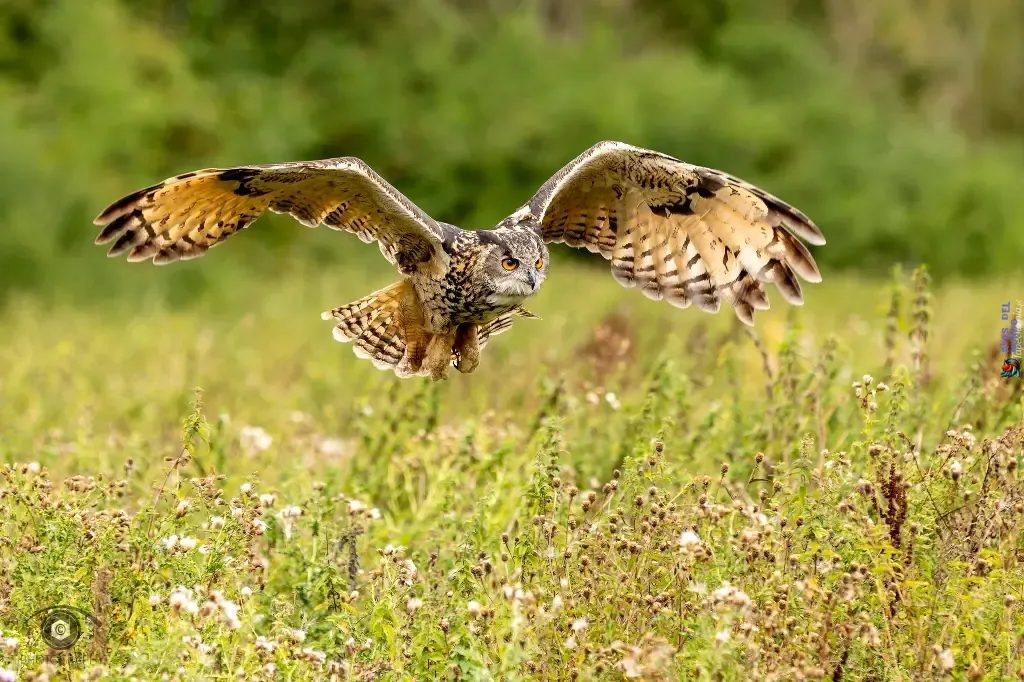
Imagine a world that suddenly grows eerily silent after dusk, where the haunting calls of owls vanish into an intangible void. These enigmatic creatures, cloaked in feathers and shrouded in mystery, do more than just inspire folklore; they are vital threads woven into the fabric of ecological and human existence. What might unfold if the owl, a nocturnal sentinel, ceases to exist? The ramifications could ripple through ecosystems, culture, and even economies, challenging the very balance we take for granted. A world without owls invites us to reconsider not only our relationship with nature but also the intricate dependencies that sustain life as we know it.
Ecological Disruption: The Silent Collapse of Nocturnal Balance
Owls occupy a pivotal niche in the nocturnal ecosystem, acting as apex predators that regulate populations of rodents and various small mammals. Without these vigilant hunters, rodent populations would burgeon unchecked, leading to a cascade of ecological imbalances. The proliferation of these creatures would not merely be a numerical increase but a strain on agriculture and natural vegetation, threatening food security and forest regeneration efforts. The absence of owls would cause a silent ecological collapse, where overpopulation of pests undermines soil health and plant diversity, eventually affecting larger food webs.
The nocturnal realm, often overlooked, is a theater of delicate interactions. Owls’ predation keeps the population of zoonotic hosts in check, indirectly curtailing the transmission of diseases that could leap from animals to humans. Without that regulation, the incidence of diseases like hantavirus or Lyme disease could rise precipitously, posing substantial public health challenges. Thus, the disappearance of owls would resonate beyond ecology, profoundly influencing the health and stability of human communities.
Cultural and Symbolic Void: The Loss of a Timeless Muse
Owls have long been ensconced in human culture as symbols of wisdom, mystery, and the supernatural. Their ghostly silhouettes and melodic hoots have fueled myths, inspired literature, and guided spiritual beliefs around the globe. To lose owls would be to lose a cultural keystone—an emblem that connects us to the night’s wisdom and the unknown. What stories would remain to inspire wonder when the night’s silent watchers are gone?
In literature, art, and mythology, owls embody more than physical creatures; they are metaphors for insight and guardianship. Their absence would create an intangible void in human imagination, dampening the symbolic richness that encourages reflection on nature and our place within it. This cultural void might lead society to drift further from the natural world, exacerbating disconnect and undermining conservation consciousness—an intangible yet potent blow to human identity and creativity.
Economic Repercussions: The Unseen Cost to Agriculture and Public Health
The ecological role owls play directly benefits human economies, particularly agriculture. By naturally controlling pest populations, owls reduce the need for chemical pesticides that are costly, environmentally damaging, and health-threatening. In their absence, farmers must grapple with intensified pest infestations that can devastate crops, inflate production costs, and disrupt supply chains. This pressure compoundingly hits rural economies and consumers reliant on stable food markets.
Beyond agriculture, the increased burden of zoonotic diseases resulting from unchecked rodent populations would escalate healthcare costs and strain public health infrastructure. Hospitals and communities could face periodic outbreaks that might have been prevented through natural wildlife balance. The financial and societal toll of a world without owls would therefore extend far beyond ecological angst, manifesting in tangible economic distress.
Psychological and Environmental Awareness Impact: The Erosion of Nocturnal Connection
Owls contribute uniquely to the nocturnal soundscape, imparting a mysterious yet comforting presence. Their disappearing act would herald a psychological shift—one where the night grows alien and barren, severing an intrinsic human connection to darkness and nature. Nighttime walks might lose their allure, and a vital sensory experience would vanish, dulling human empathy for the wilderness.
Such severance could deepen urban-rural divides and accelerate the homogenization of experience under artificial lights. The loss of owls, therefore, symbolizes a broader environmental disengagement, one where the richness of biodiversity and the stories it bears evolve into muted recollections. It could spurn a societal shift toward environmental apathy, fragmenting ecological stewardship efforts just when they are most critical.
Scientific Setbacks: A Halt in Understanding Nocturnal Ecology and Adaptations
Owls are a treasure trove of biological marvels—silent flight, extraordinary vision, and acute hearing—that have inspired scientific inquiry and technological innovation. A world without owls would halt this frontier of biomimetic research and diminish our understanding of nocturnal adaptations that can inform diverse fields from acoustic engineering to optics.
Their disappearance would create a void in ecological data vital to understanding climate change impacts on nocturnal species and habitats. Loss of owls would weaken ecological monitoring networks, depriving scientists of indicators crucial for gauging environmental health. In short, the absence of owls would stunt scientific progress and diminish humanity’s capacity to innovate sustainably.
A Call to Reimagine Our Stewardship
Considering a world devoid of owls shifts our perspective profoundly. It compels us to recognize that the natural world’s silent sentinels play indispensable roles far beyond their mysterious demeanor. Their presence threads together ecology, economy, culture, and psyche in ways that architect a balanced existence. Owls challenge us to appreciate the subtleties of life hidden in darkness, and to reimagine what it means to live in harmony with the unseen forces of nature.
Ultimately, contemplating their loss invites a renewed commitment to conservation and ecological mindfulness. It prompts us to become vigilant custodians of nocturnal ecosystems and to honor the whispering wings that define the twilight. A world without owls would not merely be quieter; it would be irrevocably poorer. The promise lies in awakening to this truth before the shadows grow too deep to bring them back.