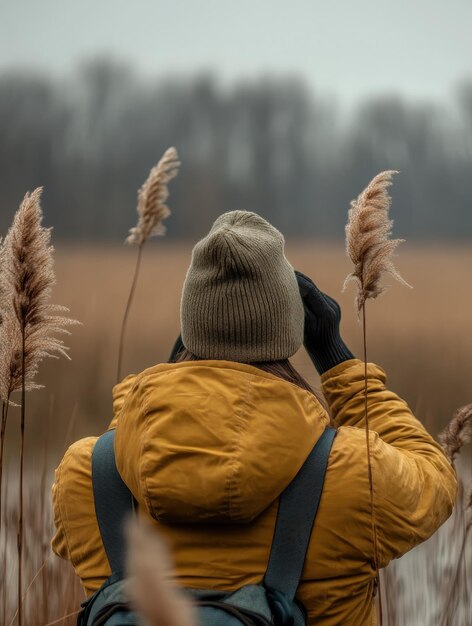
There is a quiet revolution stirring in the world of wildlife observation—one that invites us to step beyond the ordinary and into the realm of the nocturnal, the elusive, the truly rare. Owl-watching tours are not merely excursions; they are pilgrimages into the twilight, where the air hums with the whispers of ancient wings and the dark is punctuated by the piercing gaze of creatures that embody both mystery and wisdom. These guided experiences offer more than sightings; they provide a portal into ecosystems often overlooked, where conservation meets curiosity, and where every hoot carries the weight of ecological significance. Whether you are a seasoned birder, a nature enthusiast, or someone seeking a transformative encounter with the wild, owl-watching tours promise an immersion into the unseen, the unheard, and the profoundly rare.
The Allure of the Nocturnal: Why Owl-Watching Demands Your Attention
Owls are the silent sovereigns of the night, their presence felt long before they are seen. Unlike diurnal birds, which flit through the daylight in bursts of color, owls command the shadows with a presence that is both commanding and elusive. Their camouflage, their cryptic plumage, and their stealthy hunting techniques make them masters of invisibility—until the moment they choose to reveal themselves. This elusiveness is not a flaw in observation; it is a testament to their evolutionary brilliance. When you embark on an owl-watching tour, you are not just observing a bird; you are witnessing a creature that has perfected the art of being seen only when it desires. The thrill lies in the chase, in the patience required, and in the rare privilege of glimpsing a life that unfolds under the cover of darkness. These tours transform passive observation into active participation, where every rustle in the undergrowth becomes a potential revelation.
Regional Gems: Top Destinations for Owl Encounters
The world is dotted with sanctuaries where owls reign supreme, each region offering a unique cast of species and a distinct atmospheric backdrop. In the mist-laden forests of the Pacific Northwest, the great horned owl and the barred owl engage in nocturnal symphonies, their calls echoing through ancient conifers. Venture into the boreal woodlands of Canada, and you may encounter the snowy owl, a ghostly apparition against the winter tundra, or the boreal owl, whose tiny frame belies a voice that carries across frozen lakes. The temperate rainforests of Europe, particularly in Scandinavia and the UK, host the tawny owl, whose haunting *tu-whit, tu-whoo* is woven into folklore and literature. Meanwhile, the arid landscapes of the southwestern United States and Mexico reveal the western screech-owl, a master of camouflage among the cacti and mesquite. Each destination is a chapter in a larger story of adaptation, where owls have carved niches in environments that are as diverse as the species themselves. Choosing a tour here is not just about location; it’s about aligning with the rhythms of a place where owls are not just inhabitants but cultural icons.
Expert-Led Expeditions: What to Expect from Guided Tours
A well-curated owl-watching tour is a symphony of expertise, equipment, and environmental stewardship. Guides are not merely observers; they are storytellers, acoustic analysts, and conservation advocates. They arrive equipped with parabolic microphones to amplify the faintest owl calls, thermal imaging devices to pierce the veil of darkness, and an encyclopedic knowledge of local owl behavior. Expect to learn the nuances of owl vocalizations—how a great horned owl’s deep *hoo-hoo-hooo* differs from the eerie trill of a saw-whet owl. You’ll be schooled in the art of owl prowling: how to move silently, how to read the landscape for signs of roosting sites, and how to interpret the subtle cues that betray an owl’s presence. Many tours also incorporate citizen science components, where participants contribute data to ongoing research projects, turning each outing into an act of conservation. The best guides will also emphasize ethical wildlife viewing, ensuring that your presence does not disturb the very creatures you’ve come to admire. This is not tourism; it is a collaborative dialogue with the wild.
Seasonal Shifts: Timing Your Owl-Watching Adventure
Owls, like all creatures of the night, are bound by the seasons, and timing your tour can mean the difference between fleeting glimpses and unforgettable encounters. Winter is a prime season for owl-watching in many regions, particularly for species like the snowy owl, which descends from the Arctic to hunt over open fields. The lack of foliage makes these birds easier to spot, and their stark white plumage stands out against the monochrome landscape. Spring, however, brings a different kind of magic. As owls establish territories and engage in courtship, their calls become more frequent and fervent, creating a cacophony that is both haunting and beautiful. Summer offers the chance to observe fledglings, awkward and downy, as they take their first flights under the watchful eyes of their parents. Autumn, with its crisp air and falling leaves, is ideal for spotting migratory species like the short-eared owl, which can be found in open grasslands and marshes. Each season offers a distinct narrative, and the savvy owl-watcher will plan their expedition accordingly, aligning their journey with the natural cycles of these enigmatic birds.
Beyond the Binoculars: Immersive Experiences in Owl Ecology
Owl-watching tours are increasingly evolving into holistic ecological experiences that transcend the act of spotting a bird. Many now include workshops on owl biology, where participants dissect owl pellets to uncover the secrets of their diet or learn about the intricate adaptations that allow owls to hunt with such precision. Some tours venture into the realm of astro-ornithology, where guides teach how moonlight and starlight influence owl behavior, or how light pollution disrupts their nocturnal routines. There are even sensory deprivation walks, where participants are encouraged to rely on hearing and touch to connect with the environment in a more primal way. These experiences are designed to foster a deeper appreciation for owls as indicators of ecosystem health, revealing how their presence—or absence—can signal broader environmental changes. By engaging with owls on multiple levels, from the scientific to the spiritual, these tours transform passive observers into active stewards of the night.
Ethical Considerations: Respecting Owls and Their Habitats
The privilege of observing owls comes with a responsibility to protect them. Ethical owl-watching is not just about following rules; it’s about cultivating a mindset of reverence and restraint. Guides should prioritize the well-being of the owls above all else, ensuring that tours do not encroach on nesting sites or disturb roosting birds. This means maintaining a respectful distance, avoiding the use of playback calls (which can stress owls and disrupt their natural behaviors), and adhering to local regulations that govern wildlife interactions. Participants should be encouraged to minimize their impact by sticking to designated trails, using red-light headlamps to preserve night vision, and refraining from using flash photography. The goal is to leave no trace—not just of your presence, but of your disturbance. True owl-watching is a practice in humility, where the observer becomes the observed, and the wild remains undisturbed by human ambition.
Photography and Storytelling: Capturing the Essence of Owls
For those who wish to immortalize their owl encounters, photography and storytelling offer powerful mediums to share the magic of these birds. High-quality night photography requires patience, the right equipment (such as a tripod and a camera with excellent low-light performance), and an understanding of owl behavior to anticipate their movements. The challenge lies in capturing not just the owl itself, but the atmosphere of the moment—the mist curling around the trees, the glow of the moon on their feathers, the intensity of their gaze. For those who prefer words, owl-watching tours often include journaling sessions where participants can sketch or write about their experiences, transforming fleeting moments into lasting narratives. These creative outlets are not just about documentation; they are about deepening the connection between observer and observed, turning a single encounter into a story that can inspire others to look, listen, and protect.
The Ripple Effect: How Owl-Watching Inspires Conservation
The impact of owl-watching extends far beyond the individual experience. Each tour participant becomes a potential ambassador for owl conservation, armed with firsthand knowledge of these birds and the ecosystems they inhabit. Many tours partner with local conservation organizations, donating proceeds to habitat restoration projects or research initiatives focused on owl populations. By fostering a sense of wonder and urgency, these experiences can galvanize communities to take action—whether through habitat preservation, reducing light pollution, or advocating for policies that protect nocturnal wildlife. The more people who witness the quiet majesty of owls, the harder it becomes to ignore the threats they face: deforestation, climate change, and the encroachment of human development. Owl-watching tours are not just about seeing; they are about feeling the weight of responsibility, about recognizing that every hoot is a call to action.