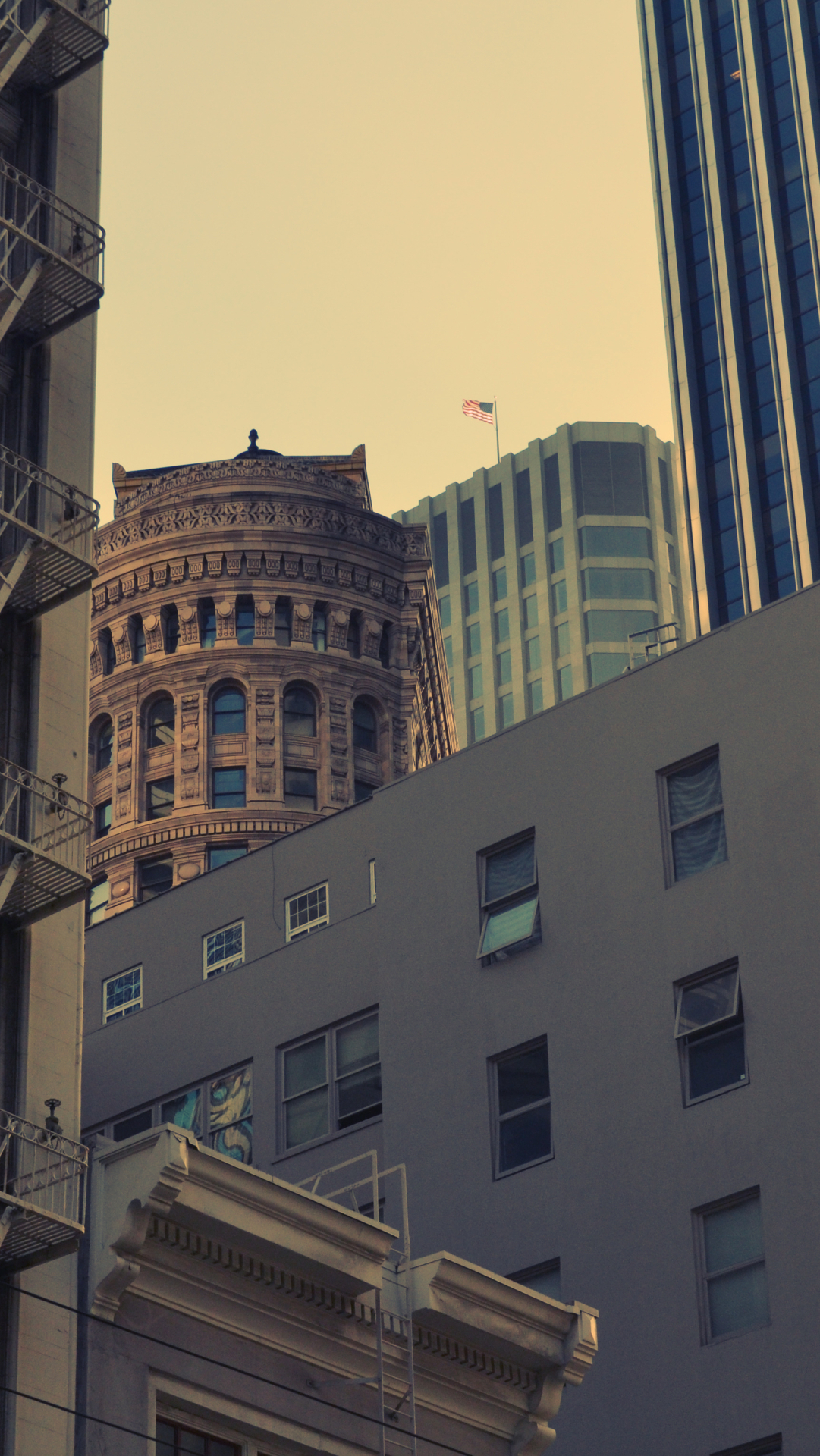
What if the next time you gaze upon a towering skyscraper or a delicate bridge, you saw not just steel and glass, but the silent, watchful gaze of an owl? Architecture, in its boundless creativity, has long drawn inspiration from the natural world—its forms, its rhythms, its unspoken symbolism. Yet few creatures have left as indelible a mark on human design as the owl, that enigmatic nocturnal sentinel whose presence in our built environment whispers of wisdom, mystery, and an almost mystical connection to the unseen. From the soaring spires of Gothic cathedrals to the sleek curves of modernist marvels, the owl’s influence stretches across centuries and continents, shaping structures that are as much about meaning as they are about function. But what happens when we strip away the romanticism and ask: can architecture truly embody the essence of an owl without losing its own identity? And what challenges arise when we attempt to translate the fluid grace of a bird into the rigid geometry of human-made spaces?
The Owl as Architectural Muse: A Legacy of Symbolism and Form
The owl’s relationship with architecture is as old as civilization itself, woven into the very fabric of human storytelling and cultural identity. In ancient Greece, the owl was sacred to Athena, goddess of wisdom, its image emblazoned on coins and temples alike. This association with knowledge and foresight seeped into the architectural lexicon, manifesting in the ornate corbels of medieval cathedrals, where owls perched like silent guardians atop gargoyles, their eyes seeming to follow the faithful below. The Gothic era, with its obsession for verticality and light, found a kindred spirit in the owl’s nocturnal vigilance—both were observers, both were steeped in symbolism.
Yet the owl’s influence extends beyond mere decoration. Its physical form—rounded head, wide eyes, feathered ruff—has inspired structural innovations that defy conventional geometry. Consider the owl-like fenestration of Islamic architecture, where intricate latticework windows mimic the bird’s facial disc, filtering light in a way that feels almost alive. Or the owl-inspired vaults of Renaissance palaces, where ribbed ceilings curve like the spread wings of a bird in flight. These designs are not mere imitations; they are reinterpretations, a dialogue between nature and human ingenuity that challenges our understanding of what a building can be.
The Challenge of Translating Nature into Structure: When Form Meets Function
Herein lies the rub: architecture is bound by gravity, by budget, by the unyielding laws of physics. An owl, in all its effortless grace, is not. How, then, does one translate the owl’s effulgent asymmetry—its ability to twist its head 270 degrees, its silent flight—into a structure that must stand firm against the elements? The answer lies in abstraction. Architects do not replicate the owl; they distill its essence into something tangible, something that can bear the weight of human ambition.
Take, for example, the owl-wing buttresses of certain Brutalist buildings, where angular supports jut outward like the primaries of a bird’s wing, creating a sense of dynamic tension. Or the owl-eye domes of modernist churches, where circular windows mimic the bird’s gaze, casting pools of light that shift with the sun’s arc. These designs are not literal; they are metaphorical architectures, where the owl’s qualities—perception, adaptability, quiet strength—are encoded into the very bones of the structure. Yet this abstraction is not without its pitfalls. When form is prioritized over function, the result can be a building that is visually arresting but impractical—a tower that leans too far, a bridge whose curves defy wind resistance. The challenge, then, is to strike a balance: to honor the owl’s spirit without sacrificing the building’s purpose.
Owls in the Urban Landscape: Modern Adaptations and Hidden Meanings
In today’s world, where cities sprawl like concrete jungles and architecture often prioritizes efficiency over poetry, the owl’s presence feels more vital than ever. Modernist and contemporary designs have reimagined the owl’s symbolism in bold, unexpected ways. The owl-inspired facade of the Beijing National Stadium, with its lattice-like exterior that evokes the bird’s plumage, is a testament to this fusion of nature and innovation. Meanwhile, the owl-eye windows of sustainable buildings—designed to maximize natural light while minimizing energy use—are a nod to the owl’s role as a creature of the night, adapted to thrive in darkness.
But the owl’s influence isn’t confined to grand monuments. It seeps into the everyday, the overlooked. The owl-shaped street lamps of certain European towns, their curved metal bodies casting shadows that dance like wings, transform mundane infrastructure into something whimsical. Even the owl motifs in brutalist housing estates, where geometric patterns echo the bird’s facial disc, serve as a reminder that symbolism need not be grand to be profound. These adaptations speak to a deeper truth: the owl’s presence in architecture is not about replication but resonance. It is about finding the quiet, persistent voice of nature in the cacophony of the built environment.
The Ethical Dimension: Owls as Architecture’s Silent Critics
Yet for all its beauty, the owl’s integration into architecture raises uncomfortable questions. What does it mean to co-opt the image of a wild creature—one that has long been associated with wisdom, mystery, and even death—into the service of human design? Is it a celebration of nature’s genius, or a subtle act of appropriation? The owl, after all, is not just a symbol; it is a living being, a creature whose habitats are increasingly threatened by urban expansion. When architects draw inspiration from its form, are they paying homage, or are they erasing the owl’s true essence in favor of human narrative?
This tension is perhaps most evident in the rise of biophilic architecture, where buildings are designed to foster a connection with nature. Here, the owl’s presence is not merely decorative but ecological—a reminder of the need to coexist with the natural world. Yet even in these cases, the owl remains a passive participant, its image used to soothe human guilt rather than to advocate for its preservation. The challenge, then, is to move beyond symbolism and toward a more reciprocal relationship—one where architecture not only mimics the owl but actively supports its survival. Could we, for instance, design buildings that double as owl nesting sites? Or structures whose facades incorporate native plants to sustain local ecosystems? The owl’s gaze, in this context, becomes not just a metaphor but a call to action.
Conclusion: The Owl’s Gaze in the Built Environment
The owl’s relationship with architecture is a dance—a delicate, ever-evolving interplay between nature and human creativity. It is a story of adaptation, of abstraction, of the eternal human desire to find meaning in the world around us. From the soaring spires of Gothic cathedrals to the sleek lines of modernist marvels, the owl’s influence is a testament to the power of symbolism in design. Yet it is also a reminder of the challenges inherent in translating nature into structure: the need for balance, the risk of appropriation, the ethical imperative to honor the living world.
Perhaps the true magic of the owl in architecture lies not in its physical form, but in what it represents—a reminder that even in the most rigid of human creations, there is room for wonder. That the buildings we inhabit can be more than just shelters; they can be storytellers, guardians, whispers of the wild in the heart of the urban. So the next time you encounter a structure that seems to watch you back, ask yourself: is this architecture, or is it an owl in disguise?